
Sleeping Position During Pregnancy First 3 Months (First Trimester)
Sleeping position during pregnancy first 3 months matters far less than most expecting mothers assume — the first trimester is the most flexible stretch of pregnancy for how you sleep. See when position actually starts to matter.
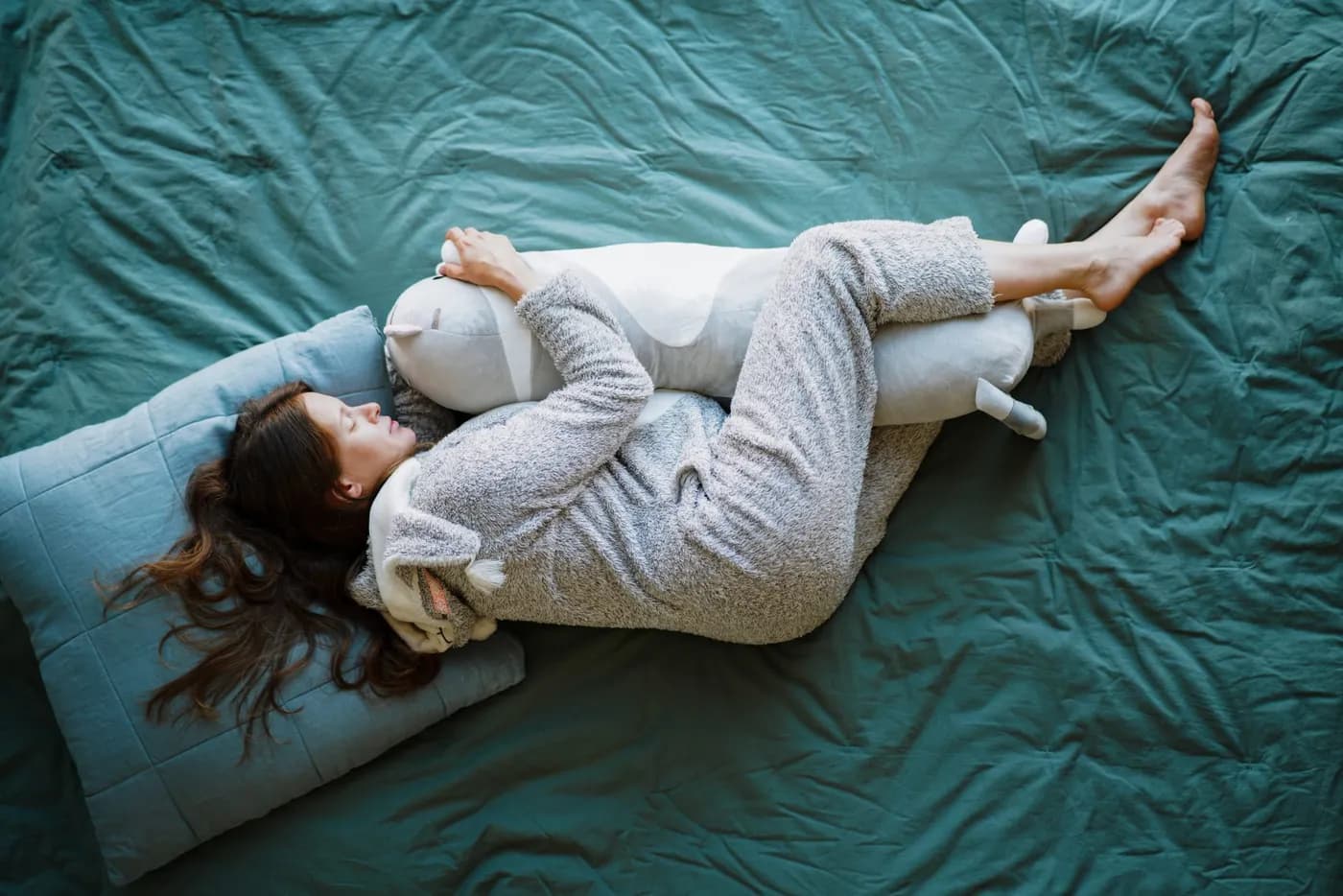
Key Takeaways
- States the first trimester is the most flexible stretch of pregnancy for sleeping position.
- States the uterus sits low and protected in early pregnancy, not yet pressing on major vessels.
- States there’s no retroactive concern about how you slept before finding out you were pregnant.
- Names tender breasts, not the belly, as an early reason stomach sleeping turns uncomfortable first.
- States left-side sleeping guidance typically only starts mattering from the second trimester onward.
- Names rising progesterone as easing sleep onset but making it harder to stay asleep early on.
Sleeping position during pregnancy first 3 months is a question a lot of newly pregnant women ask expecting a strict rulebook, but the honest, reassuring answer is that the first trimester is the most flexible stretch of pregnancy when it comes to how you sleep.
Why sleeping position during pregnancy first 3 months is mostly unrestricted
In the first trimester, your uterus is still small and sits low in the pelvis, well protected and not yet large enough to press on major blood vessels the way it will later in pregnancy. This means sleeping position during pregnancy first 3 months can reasonably be whatever feels most comfortable — back, side, or stomach — without the blood-flow concerns that apply from the second trimester onward.
Why so many women search specifically about the first trimester
Sleeping position during pregnancy first 3 months generates a lot of search interest partly because so much pregnancy content online focuses heavily on later trimesters — left-side sleeping, avoiding the back, pregnancy pillows — without clarifying that most of this advice doesn’t yet apply in early pregnancy. This gap in more general pregnancy content leaves many newly pregnant women unsure whether they’ve already made a “mistake” by sleeping on their stomach or back before finding out they were pregnant, or in the days immediately after. The reassuring answer is that nothing about typical sleeping position during pregnancy first 3 months poses a risk, and there’s no retroactive concern about how you slept before you knew, or in these earliest weeks.
What actually changes your comfort in the first trimester
Even though sleeping position during pregnancy first 3 months isn’t medically restricted, comfort often shifts anyway due to early pregnancy symptoms:
- Nausea can make certain positions, especially flat on the back, feel worse for some women
- Tender, sensitive breasts can make stomach sleeping uncomfortable earlier than the belly itself would force a change
- Frequent urination may mean more trips out of bed regardless of position, which is unrelated to sleeping position itself but worth planning for
When to start adjusting your sleeping position during pregnancy
Most guidance suggests starting to favour left-side sleeping from the second trimester onward, once the uterus grows large enough to potentially press on major blood vessels when lying flat on the back for extended periods. There’s no need to force this change during the first trimester specifically — how to sleep during pregnancy covers the fuller trimester-by-trimester picture if you want to know what’s ahead.
Common early pregnancy sleep disruptions beyond position
Sleeping position during pregnancy first 3 months tends to matter less than a handful of other early pregnancy changes that disrupt sleep regardless of how you’re lying. Fatigue is often most intense in the first trimester, driven by rising progesterone, which paradoxically can make falling asleep easier while staying asleep through the night becomes harder due to the other symptoms below. Mild anxiety about the pregnancy itself — especially for a first pregnancy — is common and can show up as difficulty settling at bedtime, independent of physical positioning. Vivid or unusual dreams are also frequently reported in early pregnancy, linked to the same hormonal shifts affecting sleep architecture more broadly. None of these are specifically about sleeping position during pregnancy first 3 months, but they’re worth knowing about so you don’t mistake general early-pregnancy sleep disruption for something being wrong with how you’re lying.
Building good habits early, even if position doesn’t matter yet
Even though sleeping position during pregnancy first 3 months isn’t restricted, this is a reasonable time to start practising left-side sleeping if you’d like it to feel natural by the time it becomes more relevant later on — habits formed early tend to stick better than ones forced suddenly once discomfort or medical advice makes them necessary.
Frequently Asked Questions
Related Articles

How to Sleep Better at Night: 8 Proven Habits for Deeper, More Restful Sleep
Sleep quality is highly responsive to a few specific evening habits — no medication, expensive devices, or complicated protocols required. See all 8 proven habits.

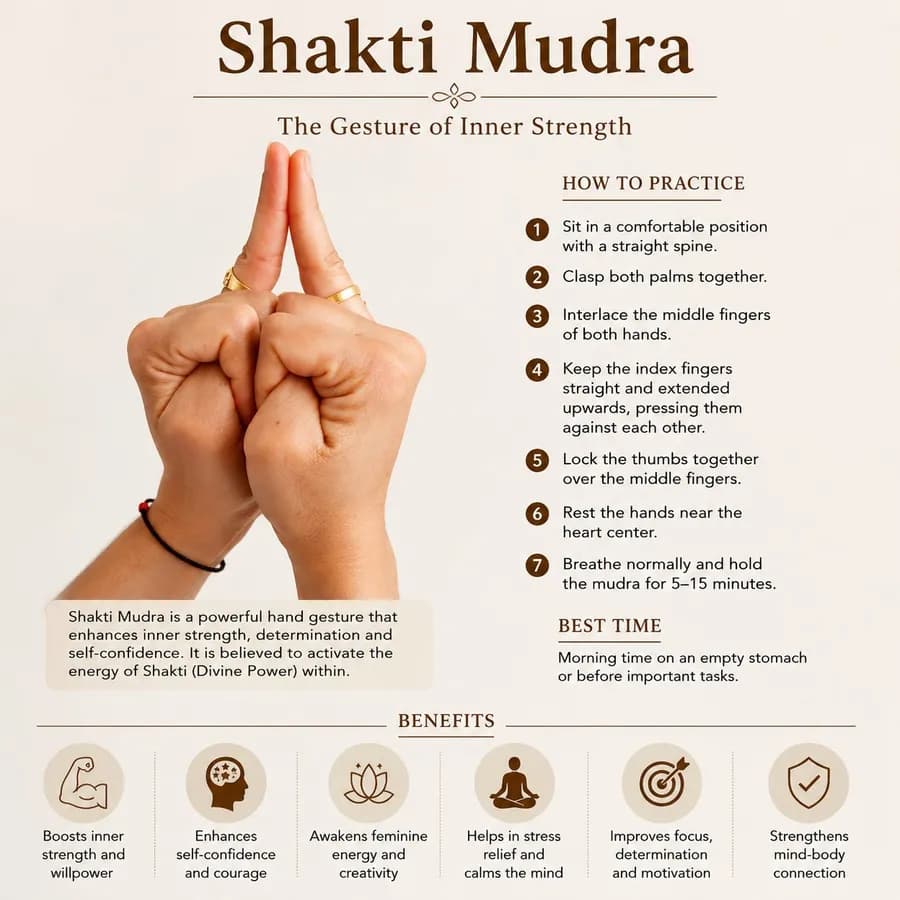
Mudra for Sleep (Shakti Mudra): Steps, Benefits, and Precautions
Shakti Mudra and Prithvi Mudra activate the parasympathetic nervous system and establish a conditioned pre-sleep signal when held for 10-15 minutes before
