
Chia Seeds for Weight Loss: The Gel-Forming Fibre Explained
Chia’s soluble fibre forms a gel when it meets liquid, and that gel-forming action — not glycemic index — is what drives its effect on appetite. See how.

Key Takeaways
- The gel-forming action, not glycemic index, drives chia’s effect on appetite.
- Chia can absorb 10-12 times its weight in liquid within about 10-15 minutes.
- Dry seeds sprinkled on food skip the gel step and lose most of the effect.
- Soaking 15-20 minutes, then eating 20-30 minutes before a meal, works best.
- More than 2-3 tablespoons a day doesn’t multiply the benefit and can cause bloating.
Chia seeds for weight loss are often mentioned alongside oats, but the way they help is genuinely different. Chia’s soluble fibre forms a gel when it meets liquid, and that gel-forming action — not glycemic index — is what drives their effect on appetite. No single food causes weight loss by itself, and chia is no exception.
Chia Seeds for Weight Loss — What the Gel Effect Actually Does
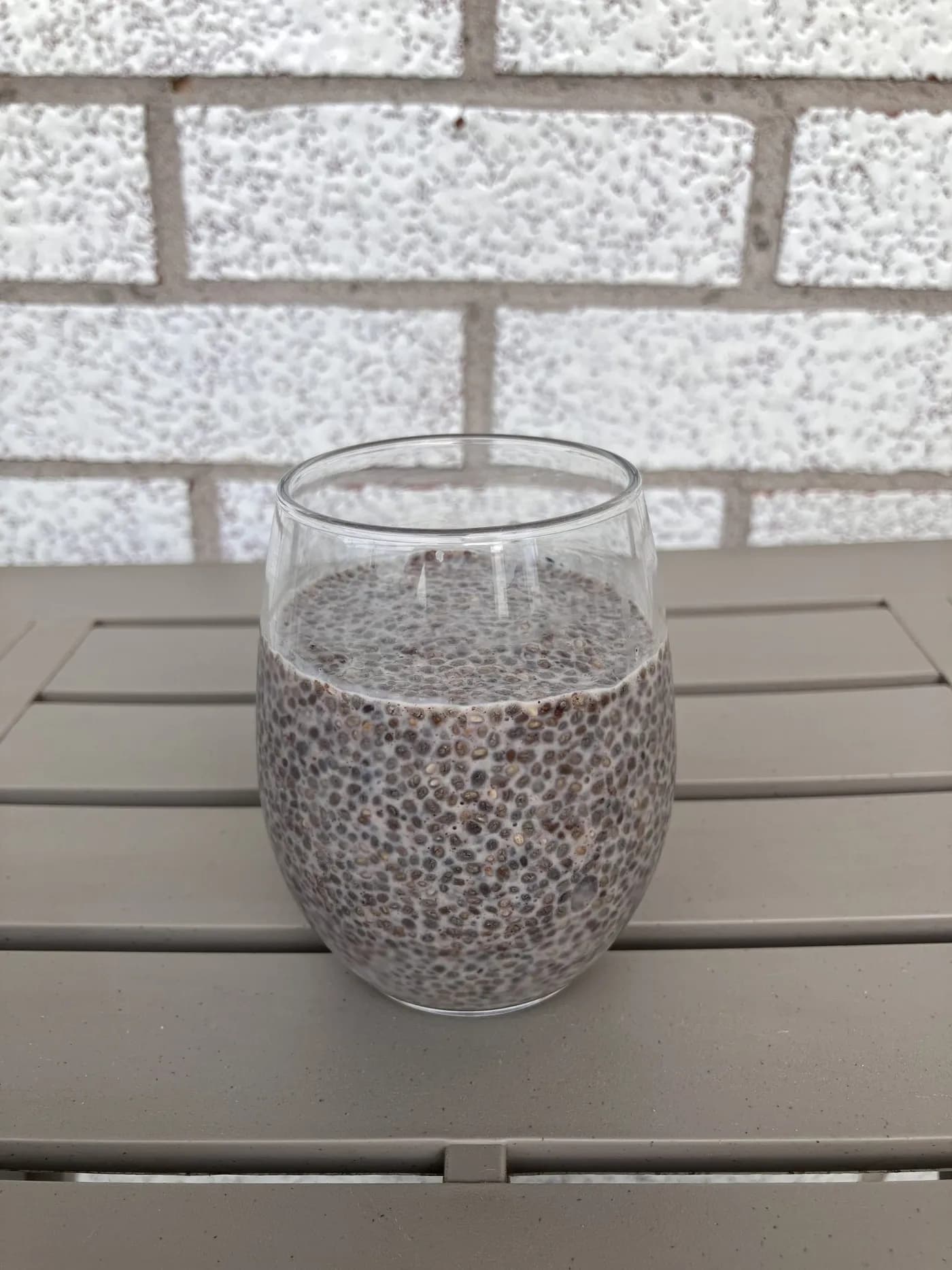
Chia seeds are roughly 34% fibre by weight, most of it soluble. When chia seeds come into contact with water, milk, or yogurt, the outer layer of each tiny seed absorbs liquid and swells into a thick, gel-like coating — chia seeds can absorb up to 10-12 times their weight in liquid within about 10-15 minutes.
- This gel isn’t just a texture quirk — it physically slows how quickly your stomach empties its contents into the small intestine.
- Slower gastric emptying means you feel fuller for longer after a meal or snack containing chia.
- The soluble fibre in the gel also slightly slows the absorption of sugars and fats from the rest of the meal, which can blunt post-meal hunger swings.
This mechanism is distinct from oats: steel cut oats help mainly through a lower glycemic index and slower starch breakdown, while chia’s effect comes from physical gel formation trapping water and slowing transit, independent of any carbohydrate content (chia itself is very low in digestible carbs). This is exactly why chia seeds for weight loss get recommended alongside, rather than instead of, other fibre-rich foods.
How to Actually Use Chia Seeds for Weight Loss Effectively
Chia seeds only work this way if you let the gel form before eating them — dry seeds sprinkled on top of food don’t have the same effect.
- Soak 1-2 tablespoons (roughly 12-24g) of chia seeds in a glass of water or a bowl of yogurt for at least 15-20 minutes, or overnight in the fridge for a thicker “chia pudding” texture.
- Drink or eat the soaked mixture about 20-30 minutes before a meal — this is when the appetite-blunting effect is most useful.
- Add soaked chia to smoothies, oats, or curd instead of dry seeds on salads if your goal is specifically satiety rather than just a nutrition boost.
- Stick to 1-2 tablespoons a day; more doesn’t multiply the benefit and can cause bloating if you’re not used to that much fibre at once.
Followed consistently, this routine is really the whole method behind using chia seeds for weight loss — soak, time it before a meal, and keep the portion modest.
Photo: Mumumio, CC BY 2.0, via Openverse
Common Mistakes People Make
The most common error is eating chia seeds dry or barely soaked, which skips the gel-forming step entirely and reduces them to a small fibre garnish. The second is expecting a dramatic effect — clinical studies on chia and weight generally show modest changes in appetite and slightly reduced calorie intake over following meals, not significant fat loss from the seeds alone. Overdoing the quantity is the third mistake; more than 2-3 tablespoons a day can cause gas or discomfort without added benefit, and chia is calorie-dense enough that overeating it works against the goal. Avoiding these three mistakes is what separates people who see real results from chia seeds for weight loss from those who give up on it too soon.
If chia isn’t quite your thing, muesli works through a similar fibre-and-satiety mechanism, though the two aren’t interchangeable in how they’re eaten. And since no single food does the job alone, it’s worth seeing how chia fits into a broader fat loss diet plan rather than expecting it to carry the results by itself — steel cut oats are another fibre-rich option that pairs well alongside it.
Who Should Be Cautious About Using Chia Seeds for Weight Loss
Chia seeds are safe for most people, but a few groups should be more careful. People with swallowing difficulties or a history of esophageal narrowing should never eat chia seeds dry or partially soaked, since the gel can expand in the throat before it reaches the stomach — always fully soak them first. People on blood-thinning medication should check with a doctor, since chia’s omega-3 content can mildly affect clotting at high daily intakes. Anyone with irritable bowel syndrome or a sensitive gut should start with a teaspoon rather than a full tablespoon, since the sudden fibre load from chia seeds for weight loss routines can trigger bloating or cramping in people not used to that much soluble fibre. Diabetics on medication should also monitor blood sugar, since chia can modestly enhance the glucose-lowering effect of some drugs.
Chia Seeds vs Flax Seeds for Weight Loss
Flax seeds are often mentioned in the same breath as chia, but the comparison matters if you’re choosing between them. Flax needs to be ground before your body can access its fibre and omega-3s — whole flax seeds mostly pass through undigested — while chia works whole, skin and all, which makes it simpler to use daily. Both support fullness, but chia’s gel-forming action is more pronounced and immediate, which is part of why chia seeds for weight loss get recommended more often for appetite control specifically, while flax is prized more for its omega-3 and lignan content.
Frequently Asked Questions
Related Articles
Does Lifting Weights Burn Belly Fat? Here’s How
Weight training changes how your body stores and uses fat over time, not just how many calories you burn in a single session. See the science, exercises.

Yoga for Weight Loss for Women: Poses, Routine & Tips That Actually Work
Dynamic poses, breathwork, and mindfulness support gradual, sustainable weight management — no gym, equipment, or prior fitness experience needed. See.
Does Yoga Reduce Belly Fat? What Actually Works
Not through spot reduction, but by strengthening the core, lowering cortisol, and improving digestion — yoga can meaningfully support fat loss around the.