
Cloves Benefits: Nutrition, Everyday Uses and Safety
Cloves are dried flower buds with a strong aroma, and their main compound, eugenol, is concentrated in clove oil. Learn everyday uses.
Key Takeaways
- Cloves contain eugenol and other plant compounds.
- They provide small amounts of fibre and minerals, but normal portions are tiny.
- They may support flavour and reduce the need for excess sugar or salt in some recipes.
- Evidence for blood sugar, digestion and immunity benefits remains limited.
- Cloves cannot replace dental care, medicines or a balanced diet.
- Concentrated clove oil should never be swallowed casually.
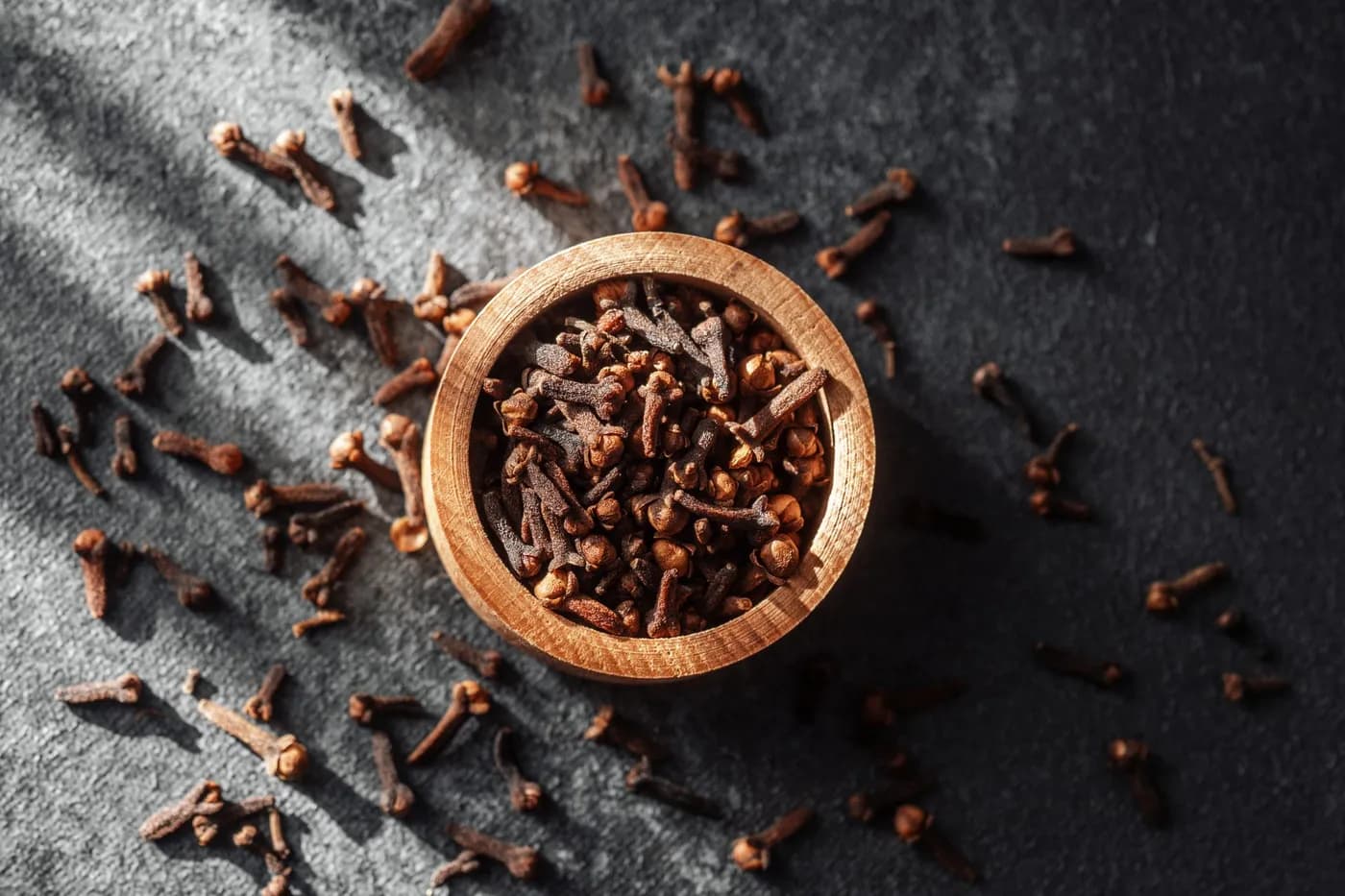
Cloves are dried flower buds with a warm, strong aroma. Known as laung in India, they are commonly added to masala chai, pulao, curries, spice blends and festive dishes.
Potential cloves benefits are linked mainly to plant compounds such as eugenol. Laboratory studies have examined their antioxidant and antimicrobial properties, but this does not mean that eating cloves can prevent or cure disease.
In normal culinary quantities, cloves can add flavour and variety to food. Clove oil, supplements and concentrated extracts require much greater caution.
Cloves nutrition
Ground cloves contain fibre, manganese, vitamin K and small amounts of other minerals. However, nutritional values are often presented per 100 grams, which is far more than anyone would normally eat.
A recipe may use only one or two whole cloves or a small pinch of powder. At that quantity, their main contribution is flavour rather than a large amount of vitamins, fibre or minerals.
This does not make the spice unhelpful. Spices can improve the aroma and enjoyment of meals without needing to supply major quantities of nutrients.
Possible cloves benefits
Provide antioxidant compounds
Cloves contain eugenol and several other plant compounds that show antioxidant activity in laboratory studies. Antioxidants help protect cells from damage caused by unstable molecules called free radicals.
However, laboratory antioxidant activity does not prove that eating a few cloves will prevent cancer, heart disease or ageing. Human health depends on the complete diet, lifestyle, genetics and medical care.
Use cloves as one of many herbs and spices within a varied eating pattern rather than treating them as a concentrated antioxidant remedy.
Add flavour without much sugar
Their strong aroma can add depth to tea, porridge, fruit dishes and savoury recipes. This may make it easier to prepare enjoyable food without depending entirely on excess sugar, salt or rich sauces.
This practical culinary role is one of the most realistic cloves benefits. The result still depends on the recipe. A heavily sweetened clove-flavoured drink remains high in added sugar.
May have antimicrobial properties
Eugenol has shown antimicrobial activity in laboratory research. This is why clove compounds have been studied for possible use in dental and food-preservation products.
These findings do not mean that chewing cloves sterilises the mouth, treats an infection or replaces brushing, flossing and professional dental care.
Do not apply undiluted clove oil to the gums. It may irritate or damage delicate tissue.
May provide temporary dental comfort
Clove oil has traditionally been used for toothache because eugenol can have a numbing effect. Some dental preparations contain carefully controlled amounts of this compound.
Temporary numbness does not treat the cause of pain. Toothache may result from decay, infection, gum disease, a cracked tooth or another condition that requires dental treatment.
Using concentrated oil directly can burn the mouth or gums. Anyone with severe tooth pain, swelling, fever, facial swelling or difficulty swallowing should seek prompt dental care.
Cloves and digestion
Clove tea and clove water are often promoted for gas, acidity, constipation or digestion. While a warm drink may feel soothing, there is not enough strong human evidence to consider cloves a reliable treatment for digestive disorders.
Large or concentrated amounts may cause irritation, nausea or abdominal discomfort. People with persistent pain, vomiting, blood in the stool or unexplained weight loss should seek medical advice rather than relying on home remedies.
Cloves and blood sugar
Laboratory and small human studies have investigated whether clove compounds affect glucose metabolism. The findings are not strong enough to recommend cloves as a diabetes treatment.
A pinch used in cooking is different from capsules or concentrated extracts. Supplements may interact with glucose-lowering medicines and could potentially increase the risk of low blood sugar.
People with diabetes should continue their prescribed treatment and discuss concentrated clove products with a qualified healthcare professional.
Cloves and immunity
Cloves are often marketed as an “immunity booster,” but the immune system cannot be strengthened by one spice. Normal immune function depends on adequate nutrition, sleep, vaccination, movement and medical care when required.
Adding laung to food or tea can be enjoyable, but it cannot prevent colds, flu or other infections.
How to use cloves in everyday food
Cloves have an intense flavour, so small quantities are usually sufficient. You can:
- Add one or two whole cloves to pulao or khichdi.
- Include them in a homemade garam masala.
- Add one clove while preparing masala chai.
- Use a pinch of ground cloves in porridge.
- Add them to stewed apples, pears or other fruit.
- Use them in soups, dals or vegetable curries.
- Combine them with cinnamon, cardamom or ginger.
- Add whole cloves to a tadka and remove them before serving if preferred.
Whole cloves can be difficult to bite and may cause discomfort, so remove them from a finished dish when serving children or anyone with dental problems.
Is clove water beneficial?
Clove water is usually made by soaking or simmering a few cloves in water. It may provide flavour and encourage someone to drink more fluid, but there is no requirement to consume it every morning or on an empty stomach.
It does not detoxify the liver, melt belly fat, cure acidity or control diabetes. Adding honey or sugar also changes the drink’s energy and sugar content.
If you enjoy it, keep the preparation mild and occasional. Stop if it causes mouth irritation, nausea or stomach discomfort.
Clove oil is not the same as whole cloves
Clove essential oil is highly concentrated. Swallowing it can cause serious poisoning, including breathing problems, seizures and liver injury. Children may be especially vulnerable.
Do not add essential oil to tea, water or food unless it is a regulated food-grade product specifically intended for that purpose and used according to professional guidance. Products sold for aromatherapy or external use should not be consumed.
Undiluted oil may also burn the skin, gums or mouth. Keep it securely away from children and pets. Seek urgent medical assistance if someone accidentally swallows it.
Who should be cautious?
Culinary portions are generally different from medicinal or supplement doses. Speak with a doctor or pharmacist before using extracts, capsules or oils if you:
- Take blood-thinning or antiplatelet medicines
- Use medicines that lower blood sugar
- Have a bleeding disorder
- Have liver disease
- Are preparing for surgery
- Are pregnant or breastfeeding
- Are considering the product for a child
Avoid supplement-style doses during pregnancy or breastfeeding unless a qualified clinician recommends them.
Cloves can also cause allergy or irritation. Stop using them and seek urgent help for breathing difficulty, facial or throat swelling, faintness or widespread hives.
What cloves cannot do
Cloves cannot cure diabetes, eliminate infection, detoxify the body, prevent cancer or produce weight loss by themselves. They also cannot replace dental treatment for toothache.
Their most dependable role is culinary. They provide aroma, warmth and complexity in a very small quantity.
Frequently Asked Questions
Related Articles
Healthy fats: why your body needs fat
Healthy fats help your body absorb vitamins and support brain, hormones, joints, cells and daily meals. Learn simple vegetarian sources and habits.

Good fats vs bad fats: choose fats wisely
Understand good fats vs bad fats in simple words. Learn which vegetarian fats to choose, what to reduce and how to read food labels better.
