
Coconut Nutrition: Benefits, Uses and Safety
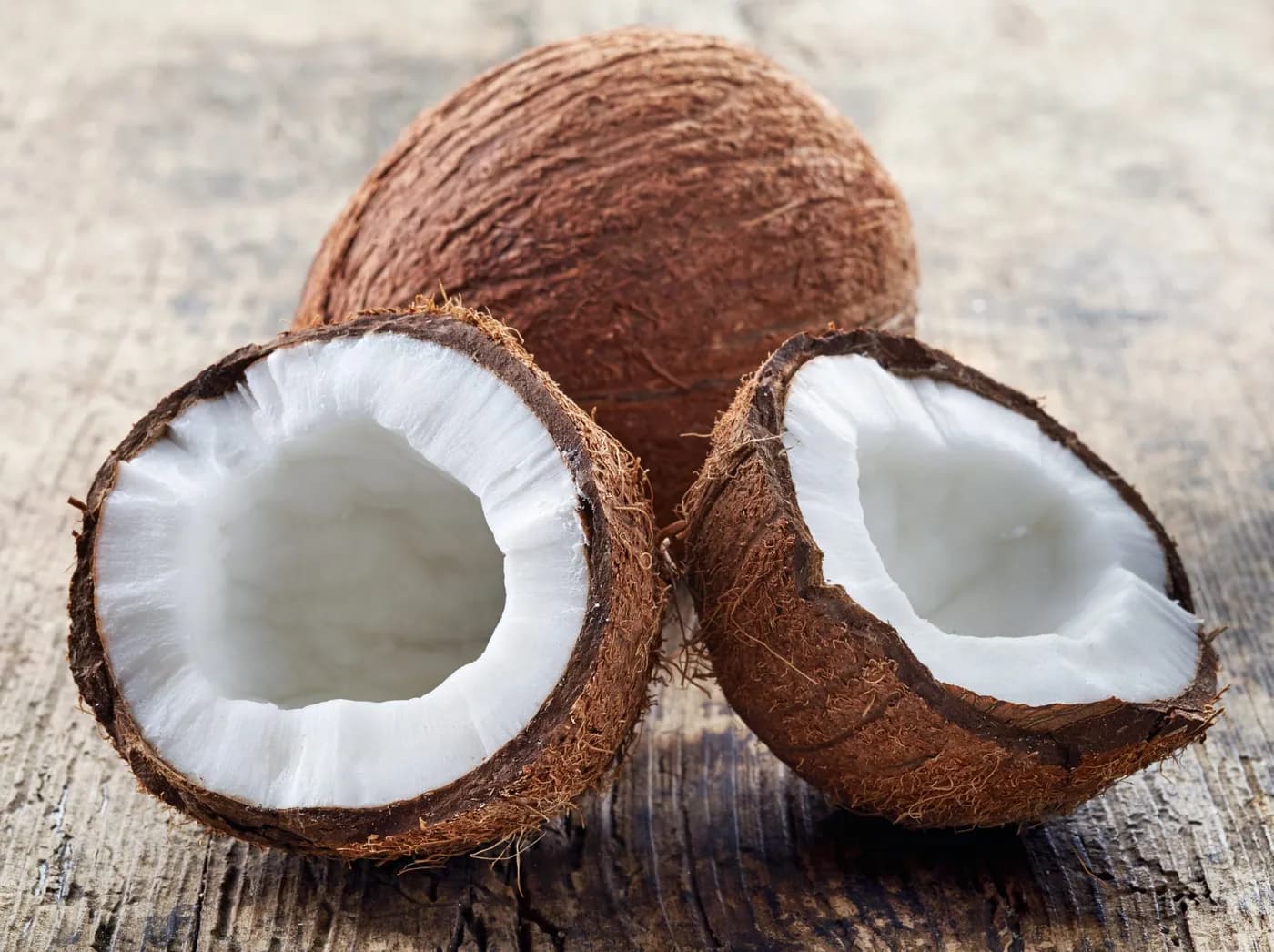
Coconut can add variety, flavour and useful nutrients to a vegetarian eating pattern. Its exact nutrition depends on the form, serving and preparation.
Key Takeaways
- Fresh flesh provides fibre, fat and minerals such as manganese and copper.
- The water is a low-fat drink that supplies fluid and potassium, but it is not a substitute for.
- The milk and cream vary widely in calories and fat depending on dilution and serving size.
- The oil contains no fibre and is high in saturated fat. It should not be treated as a heart-health.
- Plain, unsweetened products are usually preferable to flavoured water, sweetened flakes and.
- Allergy is uncommon but possible, and the water may be unsuitable for some people who must.
Coconut nutrition changes considerably depending on whether you choose fresh flesh, coconut water, coconut milk or coconut oil. Fresh coconut provides fibre and minerals, coconut water supplies fluid and potassium, while coconut oil is almost entirely fat and is high in saturated fat. The healthiest choice depends on the form, portion and your individual needs.
This tropical fruit is commonly used in Indian chutneys, curries, sweets, beverages and cooking oils. Although all its products come from the same source, they are not nutritionally interchangeable. Looking at coconut nutrition by form helps you enjoy it without relying on exaggerated claims about weight loss, hydration or heart health.
Coconut Nutrition by Form
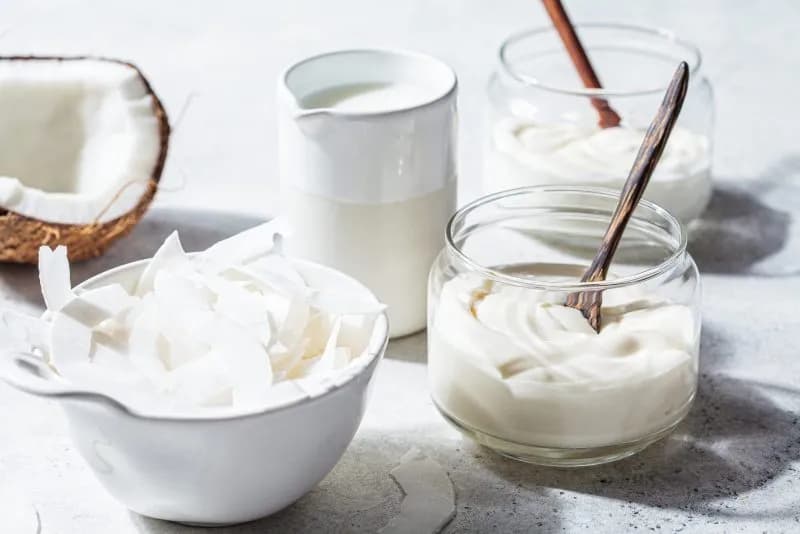
For a useful coconut nutrition comparison, remember that values vary by variety, maturity, processing and brand. Use the Nutrition Facts panel for packaged products.
| Coconut form | Energy | Fat | Fibre | What stands out |
| --- | --- | --- | --- | --- |
| Fresh mature flesh (100 g) | Approximately 354 kcal | Approximately 33 g | Approximately 9 g | Energy-dense; provides manganese and copper |
| Coconut water (100 ml) | Approximately 19 kcal | Less than 0.5 g | Minimal | Provides fluid and potassium |
| Canned coconut milk (100 g) | Approximately 230 kcal | Approximately 24 g | Approximately 2 g | Concentrated and brand-dependent |
| Coconut oil (1 tablespoon or 14 g) | Approximately 120 kcal | Approximately 14 g | 0 g | Mostly saturated fat |
Fresh Flesh
Within coconut nutrition, mature white flesh stands out for its fat, carbohydrate, fibre and small amount of protein. It also supplies minerals, particularly manganese and copper.
Because it is high in calories and much of its fat is saturated, portion size matters. Fresh or unsweetened grated flesh works best as one ingredient within a varied meal.
Coconut Water
Coconut water has a different place in coconut nutrition. It is the clear liquid found inside a young fruit and contains water, natural carbohydrate and electrolytes, including potassium, while providing much less fat than the flesh.
Packaged versions may contain added sugar, flavouring or sodium, so check the ingredient list.
Coconut Milk and Cream
A coconut nutrition review also needs to distinguish milk from water. Coconut milk is produced by extracting grated flesh with water. Its calorie and fat content depends on how concentrated it is. Thick cream is richer than light cooking milk.
Canned products may contain stabilisers and added sodium. Beverages sold as dairy alternatives are usually more diluted and may not match dairy milk or fortified soya milk for protein and micronutrients.
Coconut Oil
Coconut nutrition changes again when the fruit is processed into oil. Coconut oil is a concentrated fat with no fibre and very little of the mineral content found in the flesh.
Virgin and refined varieties differ in flavour and processing, but both contain a high proportion of saturated fat.
Potential Health Benefits
1. Adds Fibre to Meals
One practical coconut nutrition benefit is the fibre supplied by fresh flesh and unsweetened dried flakes. Fibre supports normal bowel function and may help meals feel satisfying.
These foods should still complement more substantial fibre sources such as vegetables, fruits, pulses and whole grains.
2. Supplies Selected Minerals
Mineral contribution is another aspect of coconut nutrition. The flesh provides manganese and copper, which take part in normal metabolism and connective-tissue functions.
This does not make it essential. These minerals are available from many foods, and overall dietary variety matters more than any single ingredient.
3. Supports Hydration in Everyday Situations
Hydration claims often appear in coconut nutrition discussions because plain coconut water contributes fluid and potassium.
After light exercise, ordinary water and regular meals are usually sufficient. During prolonged exercise, heavy sweating or illness, hydration needs may differ and require a drink with a more appropriate balance of sodium, carbohydrate and other electrolytes.
Important: Coconut water is not the same as medical ORS. Oral rehydration solution has a specific glucose and electrolyte composition designed to treat dehydration caused by diarrhoea or vomiting.
Follow medical advice when dehydration is suspected, especially for children, older adults and people who are unwell.
4. Makes Nutritious Foods More Enjoyable
From a coconut nutrition perspective, measured amounts of grated flesh or milk can add flavour and texture to vegetable dishes, dal, chutneys, soups and oats.
This culinary benefit can make balanced meals easier to enjoy without turning the ingredient into a cure or supplement.
What About Its Oil and Heart Health?
Coconut nutrition must also account for heart health. Coconut oil is often described as a healthier alternative to every other cooking fat, but around 82% of its fatty acids are saturated.
Saturated fat can raise LDL cholesterol. Heart-health guidance recommends replacing saturated fats with unsaturated fats rather than adding more of this oil.
Traditional dishes do not have to be eliminated. A practical approach is to use the oil in modest amounts for flavour, count it within your total cooking-fat intake and use a variety of oils.
Depending on the recipe and personal health requirements, suitable alternatives may include:
- Mustard oil
- Groundnut oil
- Sesame oil
- Sunflower oil
- Rice bran oil
- Canola oil
- Olive oil
Research on purified medium-chain triglyceride or MCT oil should not be applied directly to ordinary coconut oil.
MCT oil has a different fatty-acid composition and may be used clinically for specific reasons under professional guidance.
Can It Support Weight Loss?
For weight management, coconut nutrition still comes down to portions and total energy intake.
No product made from this fruit can melt belly fat or raise metabolism enough to cause meaningful weight loss on its own. The oil, cream and dried flesh are energy-dense, so adding them to an unchanged diet may increase calorie intake rather than support weight loss.
Fresh flesh can still fit a weight-management plan when the portion is considered. Use a small amount for flavour or texture and focus on the overall dietary pattern:
- Vegetables and fruits
- Adequate protein
- Whole grains and other high-fibre carbohydrates
- Appropriate portion sizes
- Regular physical activity
- Sufficient sleep
- A sustainable energy balance
Simple Ways to Include It in Meals
- Add a small amount of grated fresh flesh to poriyal, thoran, poha or salads.
- Blend it with coriander, mint and roasted chana to make chutney.
- Use light coconut milk in vegetable curry, dal or soup.
- Sprinkle unsweetened flakes over oats, curd or fruit.
- Measure the quantity used when preparing laddoos and other sweets. Its presence does not make added sugar unlimited.
- Choose plain coconut water and check the label for added sugar or sodium.
How Much Can You Eat?
Applying coconut nutrition advice does not require a compulsory daily serving.
A few tablespoons of grated flesh or a modest amount of milk in a shared dish may be enough for flavour. The appropriate amount depends on:
- The rest of your diet
- Daily calorie requirements
- Total saturated-fat intake
- Cholesterol levels
- Existing health conditions
The oil should be counted alongside all other cooking fats rather than taken by the spoonful as a supplement.
Who Should Be Cautious?
People With High LDL Cholesterol or Heart Disease
Anyone using coconut nutrition information to plan a heart-friendly diet should consider saturated fat.
Because the oil, cream and mature flesh contain substantial amounts, people with raised LDL cholesterol, cardiovascular disease or a prescribed fat-modified diet should follow personalised medical or dietetic advice.
People With Kidney Disease or Potassium Restrictions
Coconut nutrition advice also changes when potassium must be restricted.
Coconut water can be high in potassium. Some people with chronic kidney disease, those receiving dialysis or people taking medicines that increase blood potassium may need to limit it.
Do not use it as a routine electrolyte drink if a clinician has advised potassium or fluid restriction.
People With an Allergy
Allergy to this fruit is uncommon, but reactions can occur and may include:
- Hives
- Swelling
- Vomiting
- Wheezing
- Breathing difficulty
- Anaphylaxis
In 2025, the US Food and Drug Administration removed it from its list of tree nuts considered major food allergens for US labelling purposes. This regulatory change does not mean an allergic reaction is impossible.
Anyone with a diagnosed allergy should avoid the ingredient and follow their allergy action plan. Always check the complete ingredient list because labelling rules vary by country.
Seek urgent medical help for breathing difficulty, facial or throat swelling, faintness or a rapidly spreading reaction.
People With Digestive Sensitivity
Coconut nutrition is not only about nutrients; tolerance matters too.
Large servings of high-fat dishes made with the cream, milk or oil may worsen nausea, acid reflux or diarrhoea in some people. Drinking a large quantity of the water can also cause digestive discomfort.
Start with a small portion if you are not accustomed to it.
Buying and Storage Tips
Choosing a Whole Fruit
Choose one that feels heavy for its size and has no cracks, leaks or visible mould around the eyes.
Storing Fresh Flesh
Refrigerate cut flesh in a clean, airtight container and use it promptly.
Storing Dried Products
Keep dried products sealed away from heat and moisture. Discard them if they smell stale or rancid.
Storing Coconut Milk
Refrigerate opened coconut milk. Transfer leftovers from the can to a covered container if advised on the label and follow the manufacturer’s recommended storage period.
Checking Packaged Products
Check packaged varieties for:
- Added sugar
- Sodium
- Saturated fat per serving
- Serving size
- Added flavours or preservatives
Sources
- USDA FoodData Central: Coconut Products
- American Heart Association: Dietary Fats and Cardiovascular Disease
- American Heart Association: Healthy Cooking Oils
- National Kidney Foundation: Caribbean Kidney-Friendly Diet and Nutrition Guide
- US Food and Drug Administration: Food Allergen Labeling Guidance
- NHS: Food Allergy
Frequently Asked Questions
Related Articles

Healthy fats: why your body needs fat
Healthy fats help your body absorb vitamins and support brain, hormones, joints, cells and daily meals. Learn simple vegetarian sources and habits.

Good fats vs bad fats: choose fats wisely
Understand good fats vs bad fats in simple words. Learn which vegetarian fats to choose, what to reduce and how to read food labels better.
