
Collagen Rich Foods: What to Eat for Skin, Joints, and Hair
Collagen protein exists only in animal connective tissue, and digestion breaks it into amino acids before your body uses any of it. See what actually.
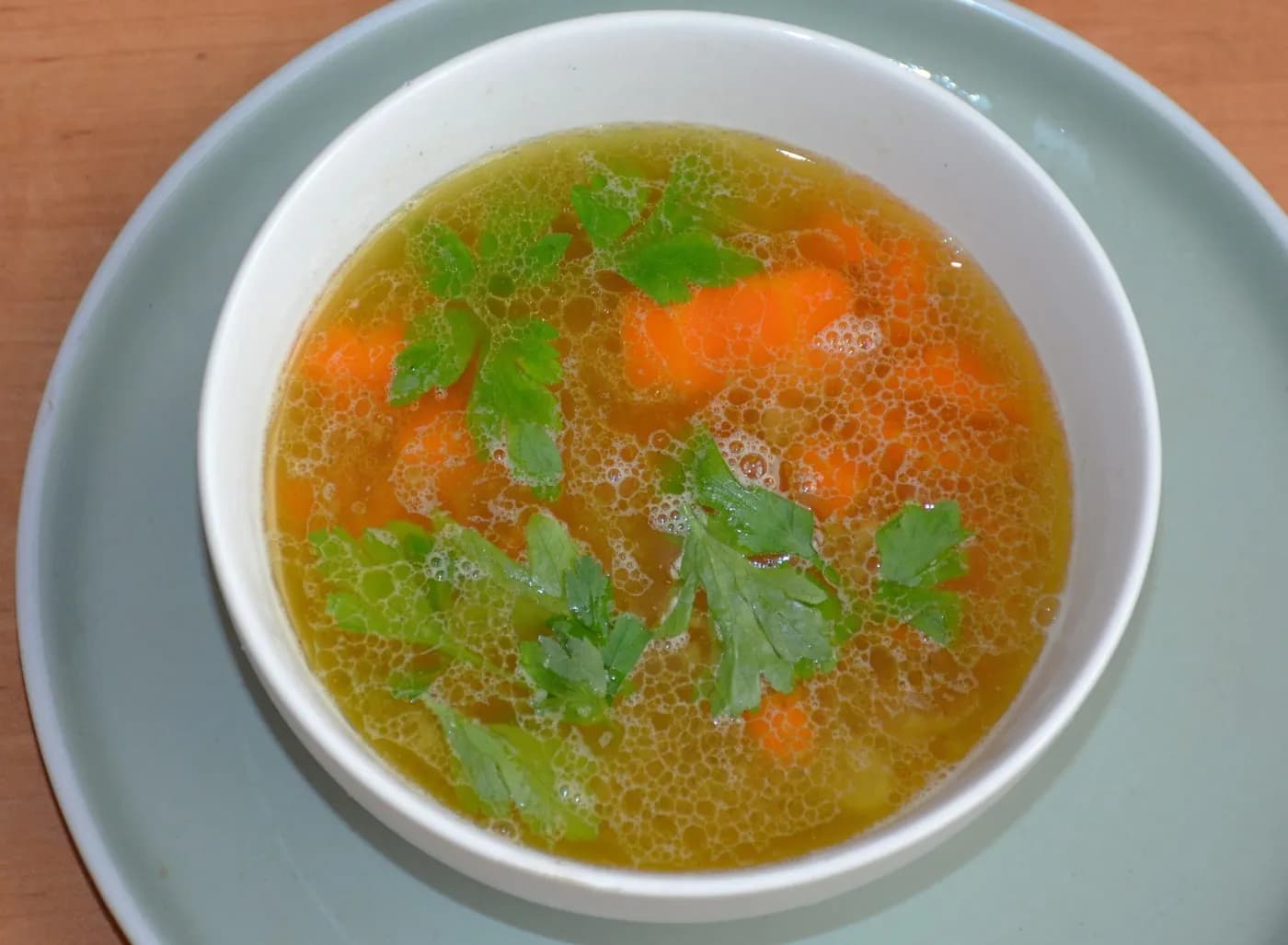
Key Takeaways
- True collagen protein only exists in animal tissue – the body builds its own from what you eat.
- Vitamin C is a non-negotiable cofactor – without it, collagen synthesis can’t happen.
- Dals, paneer, curd, and soy supply the amino acids proline and glycine collagen needs.
- Zinc and copper act as cofactors for the enzymes that stitch collagen together.
- Pairing protein with a vitamin C source, like dal with lemon, does more than protein alone.
Collagen rich foods are usually framed as a shopping list of things that “contain” collagen — but that framing matters less than it sounds. True collagen protein exists only in animal connective tissue, and even then, digestion breaks it down into amino acids and small peptides before your body uses any of it, the same way it would with any other protein you eat. What actually determines how much collagen your body builds is whether you’re feeding the pathway it uses to make its own — vitamin C, specific amino acids, and minerals like zinc and copper. Collagen is the most abundant protein in the body, giving structure to skin, joints, tendons, and blood vessels, and production naturally slows with age, which is exactly why what’s on your plate matters.
Collagen rich foods at a glance
- Citrus fruits, amla, and bell peppers — high in vitamin C, the essential cofactor without which collagen synthesis can’t happen, no matter how much protein you eat
- Cucumber and bell peppers — good sources of silica, a trace mineral studied for a supporting role in collagen structure
- Beans, lentils, nuts, and seeds — supply copper and zinc, both needed as cofactors for the enzymes that build collagen
- Paneer, curd, dals, and soy — provide the protein and amino acids, particularly proline and glycine, that collagen is built from
- Leafy greens like spinach and methi — provide vitamin C and chlorophyll, linked to collagen precursor support
- Garlic and onions — contain sulphur, a mineral involved in collagen formation
Protein and minerals: the building blocks of collagen rich foods
Collagen is built primarily from two amino acids, proline and glycine, combined with vitamin C and trace minerals like copper and zinc, which act as cofactors that let enzymes stitch amino acids into a stable triple-helix structure. Dals, paneer, curd, soy, nuts, and seeds together supply these amino acids and minerals, which is why a varied vegetarian diet already covers most of what collagen production requires — you don’t need a single “collagen food” doing all the work, just consistent coverage of protein, vitamin C, and minerals across your meals. In practice, the most useful collagen rich foods are the ones you can eat consistently, not a rotating list of exotic ingredients.
Photo: Scott Bauer, USDA, Public Domain, via Wikimedia Commons
Vitamin C for collagen: the step most people skip
Vitamin C for collagen synthesis is non-negotiable — without it, the body physically cannot stitch together the amino acids proline and glycine into stable collagen strands, no matter how much protein you eat. This is why pairing protein-rich meals with a vitamin C source matters more than people realise: a dal with a squeeze of lemon, or paneer with a side of bell peppers, does more for collagen than protein alone. Amla, guava, oranges, and lime are all easy, everyday ways to cover this, and pairing them with protein is what turns a plate into genuinely collagen rich foods rather than just a protein-heavy one.
If you want to go deeper on why vitamin C matters this much, our vitamin C benefits guide covers its other roles in the body beyond collagen — and if joint comfort specifically is your goal, undenatured type 2 collagen (UC-II) is a more targeted supplement worth knowing about alongside these everyday food sources.
Silica and other often-missed collagen nutrients
Silica, found in cucumber, bell peppers, and leafy greens, has been studied for a possible supporting role in maintaining collagen structure, though the evidence here is more preliminary than the vitamin C research. Zinc and copper — found in pumpkin seeds, cashews, chickpeas, and whole grains — work alongside vitamin C as cofactors that activate the enzymes responsible for cross-linking collagen fibres into a strong, flexible structure. None of these nutrients work alone; it’s the combination, spread across regular meals, that keeps collagen production running well — which is really the whole point of building meals around collagen rich foods rather than chasing one ingredient.
Habits that undermine collagen rich foods
Even a good diet full of these foods can be undercut by a few common habits:
- High sugar intake — excess sugar binds to collagen fibres in a process called glycation, making them stiffer and less resilient over time
- Smoking — reduces blood flow to skin and actively breaks down existing collagen
- Unprotected sun exposure — UV damage is one of the fastest ways to degrade skin collagen
- Very low protein intake — without enough amino acids, the body has nothing to build new collagen from
Frequently Asked Questions
Related Articles
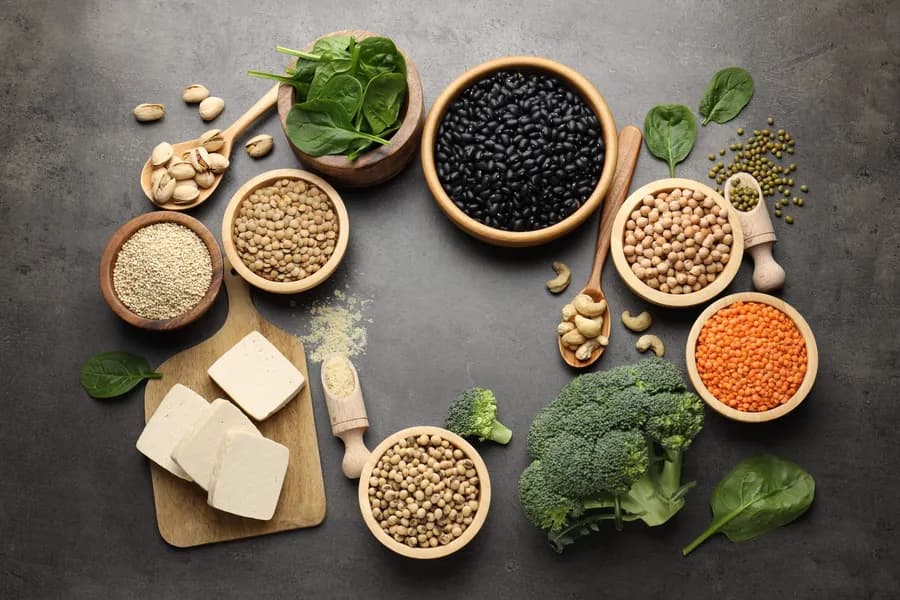
Protein rich vegetarian foods: the perfect plate habit
Learn how protein rich vegetarian foods support energy, strength and fullness. Use the perfect plate habit with greens, grains and protein.

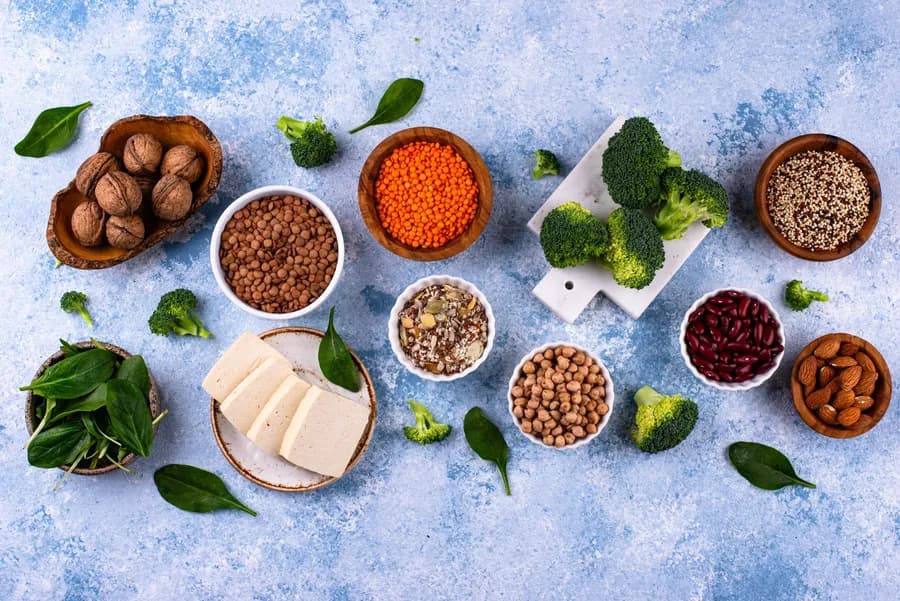
Iron rich foods need protein: 1/4th plate habit
Eating iron rich foods is important, but protein helps your body use iron better. Learn the 1/4th plate protein habit with simple vegetarian foods.
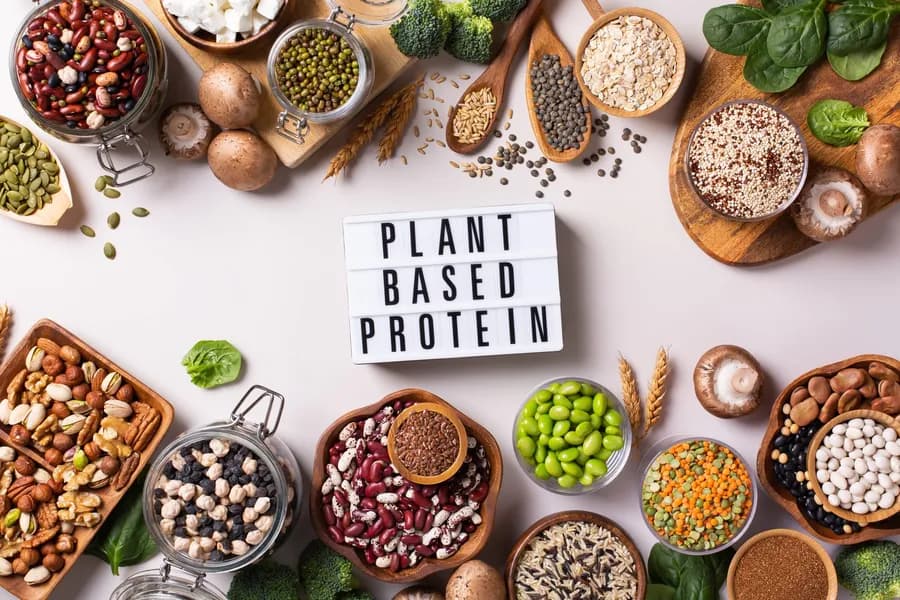
Protein-rich vegetarian foods: 1/4th plate habit
Explore protein, carbohydrates, healthy fats and meal planning for strength training, muscle building and recovery.
