
CoQ10 Supplements: Uses, Evidence and Safety
Coenzyme Q10 is made by the body and helps cells produce energy. It is also sold as ubiquinone or ubiquinol supplements.


Key Takeaways
- The body naturally produces CoQ10.
- Supplements are sold mainly as ubiquinone and ubiquinol.
- Evidence varies for heart failure, migraines and statin-related symptoms.
- CoQ10 can interact with warfarin and affect blood pressure or blood sugar.
- Supplement use should have a defined reason and review plan.
Coenzyme Q10, usually shortened to CoQ10, is a compound made by the body and involved in cellular energy production. It also acts as an antioxidant in normal biological processes. Supplements are sold as ubiquinone or ubiquinol, often with claims about energy, heart health, migraines and statin-related muscle pain.
Evidence for CoQ10 benefits differs by condition, formulation and dose. A product that may be studied as an add-on in one medical situation should not be promoted as a general cure for tiredness or heart disease.
What is CoQ10?
CoQ10 is present in cell membranes and is especially important in mitochondria, where cells produce usable energy. The body makes it, and small amounts also occur in foods.
Levels can vary with age, genetics, illness and medicines. A lower measured or theoretical level does not automatically mean a supplement will improve symptoms. Fatigue has many causes and should not be attributed to one compound without assessment.
CoQ10 nutrition and food sources
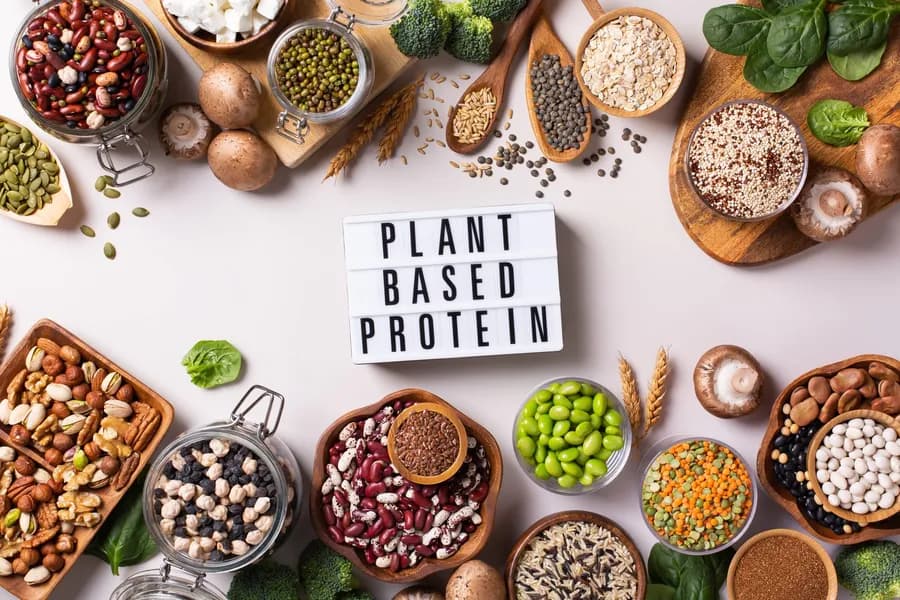
CoQ10 occurs in modest amounts in foods. Vegetarian sources include nuts, seeds, legumes, soy foods, spinach, broccoli and cauliflower. Food provides far smaller amounts than most supplements, but it also brings protein, fibre, vitamins and minerals.
CoQ10 nutrition is not a recognised deficiency problem for most healthy adults eating a varied diet. There is no standard recommendation to calculate daily food intake of this compound.
Instead of choosing food solely for CoQ10, build meals around vegetables, whole grains and vegetarian protein. Habuild’s protein-rich vegetarian foods guide offers practical Indian options.
What does research say about CoQ10 benefits?
Heart failure
Some trials have studied CoQ10 as an addition to standard treatment for heart failure. Reviews suggest possible improvements in selected outcomes, but studies vary in quality, dose and participant characteristics.
It should never replace prescribed heart medicines, monitoring or rehabilitation. Heart failure is a serious condition that requires cardiology care. Adding a supplement without review can create interactions or delay effective treatment.
Blood pressure
Research has examined whether CoQ10 modestly lowers blood pressure, but results are inconsistent. If it has an effect, combining it with antihypertensive medicine could make readings too low in some people.
Monitor blood pressure as advised and report dizziness, faintness or unusual weakness. Do not stop medicine because a supplement is described as heart-friendly.
Migraine prevention
Some clinical guidance lists CoQ10 as an option that may help prevent migraines for certain adults, although evidence is limited compared with established treatments. It is not a fast painkiller for an active migraine.
Frequent or changing headaches need assessment. Sudden severe headache, weakness, confusion, fever or vision loss requires urgent medical care.
Statin-related muscle symptoms
Statins can reduce circulating CoQ10, leading to the theory that supplementation may ease muscle symptoms. Trial results are mixed, and not every muscle ache during statin use is caused by the medicine.
Do not stop a statin independently. Severe muscle pain, weakness or dark urine needs prompt medical advice. A clinician can review the statin, dose, thyroid function, vitamin status and other possible causes.
Energy and exercise performance
Because CoQ10 participates in cellular energy production, marketing often claims it will increase everyday energy. This biological role does not prove that supplements treat unexplained fatigue or improve performance in healthy people.
Persistent tiredness can reflect anaemia, thyroid disease, poor sleep, infection, depression, inadequate food or medicine effects. Diagnosis matters more than adding a capsule.
Ubiquinone versus ubiquinol
Ubiquinone is the oxidised form, while ubiquinol is the reduced form. Both participate in the body’s normal cycle. Ubiquinol may be absorbed differently, but a higher price does not guarantee a better clinical outcome.
Product formulation, dose, quality and individual absorption all matter. Studies using one form should not automatically be applied to another brand.
How to use CoQ10 safely
If a clinician recommends a supplement, clarify the purpose, dose, duration and what improvement would count as meaningful. Keep a written list of medicines and other supplements.
- Choose a clearly labelled product from a reputable manufacturer.
- Check whether the label states ubiquinone or ubiquinol.
- Take it as directed; fat-containing food may improve absorption.
- Do not double the dose after a missed capsule.
- Track the symptom or outcome being targeted.
- Review continued need after the agreed period.
- Report side effects and medicine changes.
Habuild’s everyday diet and nutrition guide can support the food and routine side without relying on concentrated products.
Dosage and timing
There is no universal wellness dose. Research uses different amounts for different conditions, and supplement labels vary. A dose used in a heart-failure trial is not automatically suitable for migraine or fatigue.
CoQ10 may feel stimulating for some people, so an earlier time may suit them better. Others tolerate it at any time. Taking it with a meal that contains some fat may improve absorption and reduce stomach discomfort.
Do not increase the amount because an effect is not immediately noticeable. Benefits, when present, may take time, while side effects or interactions can occur sooner.
Side effects and interactions
Possible side effects include nausea, diarrhoea, abdominal discomfort, headache, dizziness, reduced appetite or insomnia. Serious allergic reactions are uncommon but require urgent care.
CoQ10 may reduce the effect of warfarin and alter INR control. It may also affect blood pressure and blood sugar. Tell the prescribing clinician before starting or stopping it.
Seek advice before use if you:
- Take warfarin or another medicine affecting clotting.
- Use blood-pressure or diabetes medicines.
- Have heart, liver or kidney disease.
- Are receiving cancer treatment.
- Are pregnant or breastfeeding.
- Are preparing for surgery.
- Take several supplements.
Seek urgent help for breathing trouble, facial swelling, faintness or widespread hives. Persistent vomiting, severe dizziness or unusual bleeding also needs medical attention.
What CoQ10 cannot do
It cannot replace heart medicines, cure migraines, reverse ageing or guarantee more energy. It also cannot compensate for poor sleep, inadequate food, inactivity or untreated medical problems.
A useful supplement decision begins with a defined need, not a broad promise. Habuild’s guide to building sustainable food habits may help with the routine side of wellbeing.
A simple habit to try
Before buying a product, write down the symptom, current medicines and what evidence would show improvement. Discuss that list with a doctor or pharmacist. This prevents an expensive supplement from becoming an open-ended habit without a clear result.
Editorial sources
Frequently Asked Questions
Related Articles
Protein-rich vegetarian foods: 1/4th plate habit
Explore protein, carbohydrates, healthy fats and meal planning for strength training, muscle building and recovery.

Healthy fats: why your body needs fat
Healthy fats help your body absorb vitamins and support brain, hormones, joints, cells and daily meals. Learn simple vegetarian sources and habits.