
Cowpeas Benefits: Why Lobia Deserves a Regular Spot in Your Diet
Lobia, or black-eyed peas, is dense in plant protein, fibre, folate, and iron — and easier to digest than some other beans. See why it deserves a regular.
Key Takeaways
- Lobia packs about 13g protein and 11g fibre per cooked cup – comparable to chickpeas.
- Considered gentler on the stomach than some other dried beans.
- A good source of folate, important during pregnancy and for red blood cell formation.
- Pairing cowpeas with vitamin C-rich foods improves how much iron the body absorbs.
- Common preparations include lobia curry and a light, high-protein lobia chaat.
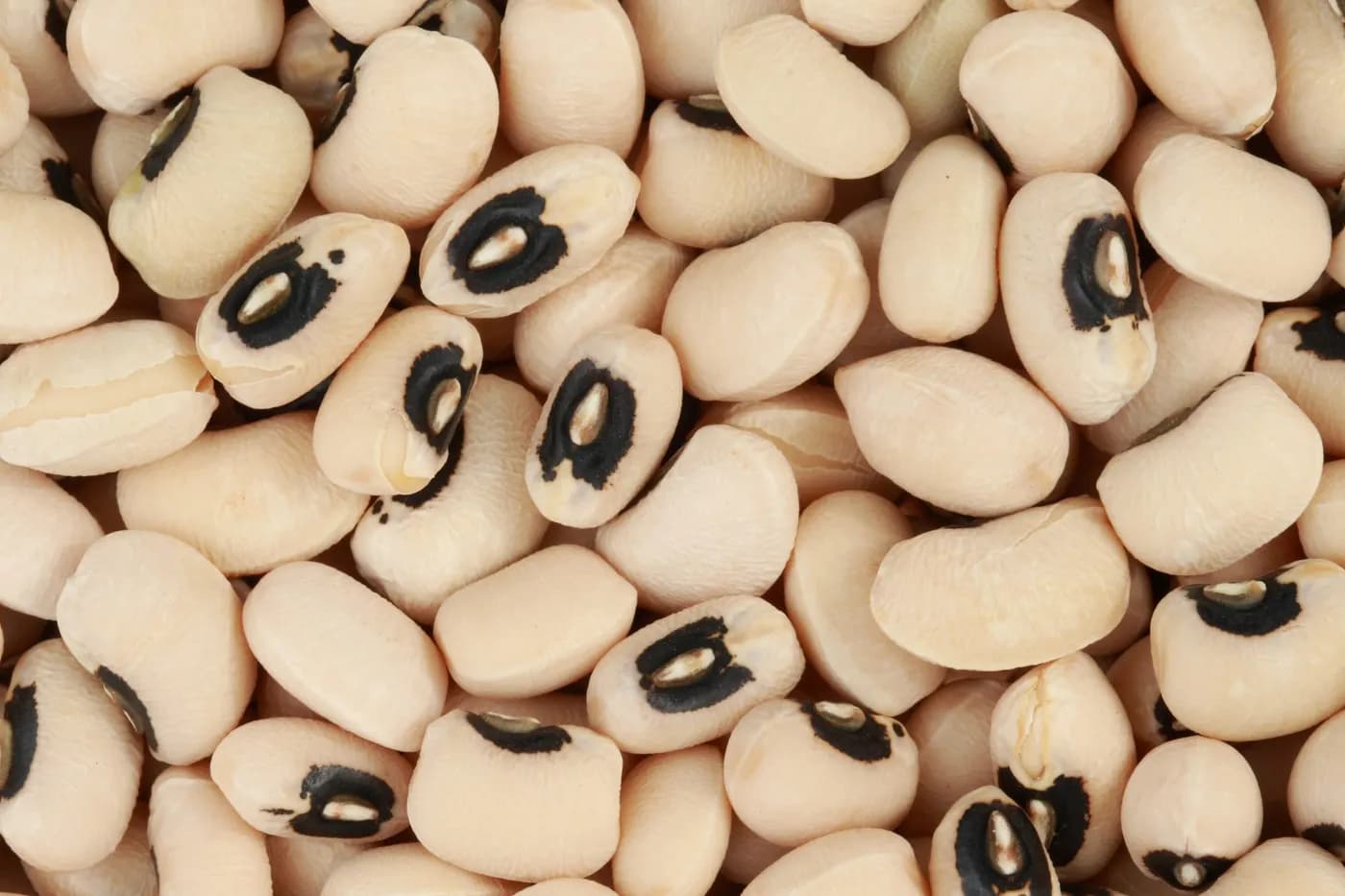
The cowpeas benefits that make lobia — also known as black-eyed peas — worth cooking often go beyond taste: this small, cream-coloured legume with its signature black “eye” is dense in plant protein, fibre, folate, and iron, all while being light on the stomach and easy to digest compared to some other beans. Popular across Indian kitchens in dishes like lobia curry and lobia chaat, cowpeas are an affordable, everyday way to add real nutritional value to a meal.
Cowpeas Nutrition at a Glance
Most of the cowpeas benefits below trace back to a simple nutrient profile: high protein, high fibre, low fat.
- High in plant protein — a cooked cup of cowpeas provides around 13g of protein, comparable to other pulses like chickpeas and rajma.
- Excellent fibre content — roughly 11g of fibre per cooked cup, supporting digestion and helping you feel full for longer.
- A good source of folate — cowpeas are among the more folate-rich legumes, a nutrient particularly important during pregnancy and for red blood cell formation.
- Contributes iron — cowpeas provide plant-based (non-heme) iron, useful for vegetarians building iron intake through food.
- Low in fat — naturally low-fat, making them a lean protein option when cooked without excess oil.
- Easier to digest — cowpeas are often considered gentler on the stomach than some other dried beans, with less of the gas-causing effect people associate with legumes.
Cowpeas Benefits for Everyday Health
One of the clearest cowpeas benefits is how much nutritional density they pack into a small, inexpensive serving. Their combination of protein and fibre supports steady energy and satiety, which is useful whether you’re managing weight or simply want a meal that keeps you full longer than a refined-carb-heavy one. The folate content matters particularly for women who are pregnant or planning pregnancy, since folate supports healthy fetal development, though cowpeas should complement rather than replace any prescribed folic acid supplementation. Cowpeas also contribute potassium and magnesium, both involved in maintaining healthy blood pressure and muscle function. Because they’re a plant-based iron source, pairing cowpeas with vitamin C-rich foods — a squeeze of lemon, tomatoes, or amla — helps improve how much iron your body actually absorbs from the meal.
Photo: Namitakhaire, CC BY-SA 4.0, via Wikimedia Commons
Common Indian Preparations: Lobia Curry and Lobia Chaat
Lobia’s versatility is part of why it’s stayed a kitchen staple across India, and it’s also where the cowpeas benefits translate into food people actually want to eat. Lobia curry, made by simmering soaked and boiled cowpeas in an onion-tomato masala, is a comforting, protein-rich main that pairs well with roti or rice and needs relatively little oil to taste satisfying. Lobia chaat takes a lighter approach — boiled cowpeas tossed with chopped onion, tomato, cucumber, coriander, lemon juice, and chaat masala — making it a quick, high-protein snack or light meal that’s far more filling than typical fried chaat options. Both preparations retain most of the legume’s fibre and protein since cowpeas aren’t heavily processed either way, which is part of why the cowpeas benefits hold up even in everyday home cooking. If you’re cooking dried cowpeas, soaking them for a few hours (or overnight) before boiling shortens cooking time and improves digestibility; canned cowpeas, rinsed well, are a convenient shortcut on busier days.
For a wider view of how cowpeas compare to other legumes, our guide to beans health benefits rounds up the bigger picture, and if iron intake is your main reason for eating more lobia, iron rich foods lists other vegetarian sources worth pairing it with.
Common Mistakes When Cooking Cowpeas for the Full Cowpeas Benefits
A few habits can quietly cancel out the cowpeas benefits before they reach your plate. Overcooking cowpeas into a mushy paste doesn’t ruin the nutrition, but boiling them for far longer than needed leaches some water-soluble vitamins into the cooking water — save that liquid for gravy instead of draining it away. Skipping the soak on dried cowpeas is another common shortcut: it doesn’t make the beans unsafe the way undercooked rajma can be, but it does mean a longer cooking time and a gassier meal for many people. If you’re using canned cowpeas, rinsing them thoroughly under running water cuts down on added sodium significantly, and it’s worth doing every time rather than only occasionally. Drowning lobia curry in oil to make it feel “richer” also undoes a good part of what makes the cowpeas benefits worth having in the first place — a light tempering with mustard seeds and curry leaves goes just as far on flavour without adding unnecessary calories.
Who Should Be Cautious With Cowpeas Benefits
Cowpeas benefits are broad, but lobia isn’t the ideal choice for absolutely everyone in large amounts. Like most legumes, cowpeas contain purines, so people managing gout or elevated uric acid should keep portions moderate rather than eliminating them outright — an occasional bowl of lobia curry is usually fine, but daily large servings are worth discussing with a doctor. Anyone with IBS or a FODMAP sensitivity may find lobia triggers bloating similar to other beans, so starting with a smaller portion and increasing gradually is a sensible way to test tolerance. People managing kidney stones linked to oxalates should also keep portions sensible, since legumes contribute a modest amount of oxalate alongside many other everyday foods. None of this cancels out the cowpeas benefits for most people eating a normal, varied diet — it just means moderation matters more than usual if you fall into one of these groups.
Frequently Asked Questions
Related Articles

Healthy fats: why your body needs fat
Healthy fats help your body absorb vitamins and support brain, hormones, joints, cells and daily meals. Learn simple vegetarian sources and habits.

Good fats vs bad fats: choose fats wisely
Understand good fats vs bad fats in simple words. Learn which vegetarian fats to choose, what to reduce and how to read food labels better.
