
Creatine: Benefits, Uses, Dosage Basics and Safety
Creatine is made in the body and stored mainly in muscle, where it helps supply quick energy during short, intense activity.


Key Takeaways
- Creatine monohydrate is the best-studied and usually the simplest form.
- It is most relevant to repeated, short bursts of intense activity and resistance training.
- A common maintenance amount in research is 3–5 grams a day, although individual advice matters.
- Early scale-weight gain often reflects additional water stored inside muscle.
- Kidney disease, pregnancy, adolescence and regular medicine use require professional guidance.
Creatine is a substance made naturally in the body and stored mainly in muscle, where it helps provide quick energy during short, intense activity. It is also one of the most studied sports supplements. It may support repeated high-intensity performance and strength-training progress, but it does not replace exercise, balanced meals, sleep or recovery.
What is creatine?
The body makes this compound from amino acids, mainly in the liver and kidneys. It is then transported to muscle and stored partly as phosphocreatine. During brief, demanding activity, this stored form helps regenerate adenosine triphosphate, or ATP—the immediate energy currency used by cells.
Small amounts occur naturally in certain foods, while vegetarians may have lower muscle stores because plant foods contain little. This does not mean every vegetarian needs a supplement. Need and usefulness depend on training, diet, health and personal preference.
Creatine benefits: what does the evidence support?
The strongest evidence relates to high-intensity exercise and resistance training. The NIH reports possible increases in strength, power and repeated maximal-effort contractions, with less value for steady endurance activity. (1)
Strength and training performance
The supplement may help someone complete more work across repeated sets, sprints or explosive efforts. That additional volume may support progress when paired with a structured programme.
The supplement itself does not build meaningful strength without an appropriate training stimulus. Beginners should first learn movement patterns and consistent progression. Habuild’s strength-training guide for beginners explains how to begin without complicated equipment.
Muscle gain and scale weight
Some people notice the scale rise soon after starting. This is often related to water drawn into muscle cells rather than an immediate increase in body fat. Longer-term changes in muscle depend on resistance training, adequate energy, protein and recovery.
Muscle-cell water is not the same as general swelling. Sudden ankle swelling, breathing difficulty or other unexplained symptoms need medical assessment.
Older adults and other uses
Research has explored other medical and cognitive outcomes, but results do not justify treating it as a cure for ageing, memory problems, depression or neurological disease. Health conditions require clinical advice.
Creatine nutrition: is it a food or supplement?
The powder does not provide a balanced mixture of protein, vitamins and minerals. Pure monohydrate is a concentrated compound, not a meal replacement or protein powder.
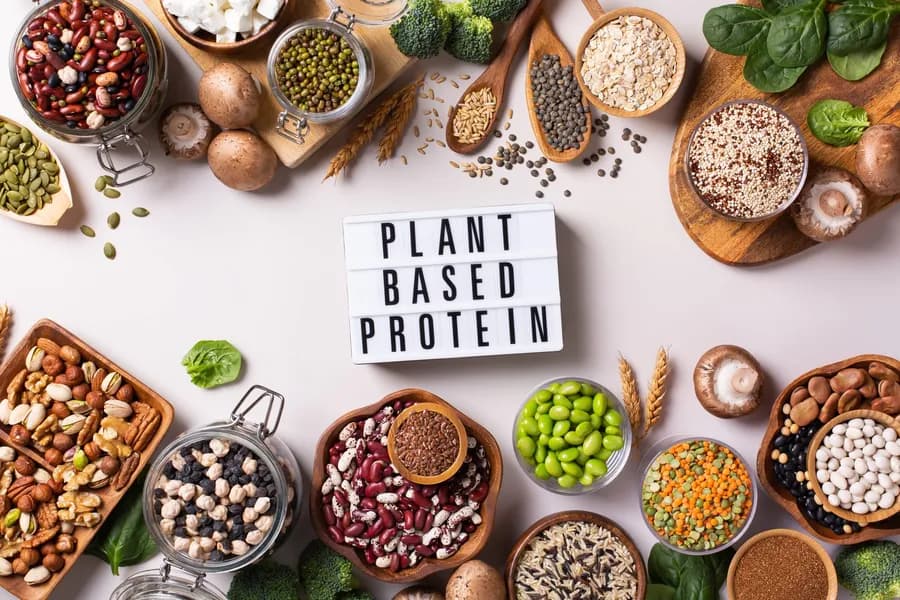
A vegetarian diet can support training through dal, beans, soy, tofu, paneer, curd, nuts, seeds, whole grains, fruit and vegetables. For meal planning, see Habuild’s protein-rich vegetarian foods guide.
Do not let a scoop quietly replace breakfast or a proper recovery meal. Training adaptation still requires enough overall food, a clear protein source and regular hydration.
Which form should you choose?
Monohydrate has the longest research history and is generally the first form considered. Products marketed as buffered, alkaline, hydrochloride or “advanced absorption” are often more expensive, and strong evidence that they work better is limited.
Choose a product with a clear ingredient list, batch information, expiry date and independent quality testing when available. Avoid proprietary blends that hide individual amounts or combine several stimulants and supplements.
No supplement is completely free from contamination risk. Athletes subject to drug testing should look for reputable third-party sport certification and understand that a label alone cannot guarantee purity.
How to use creatine
Consistency matters more than a perfect time. A common maintenance approach is 3–5 grams of monohydrate daily. Loading is optional and may cause more digestive discomfort.
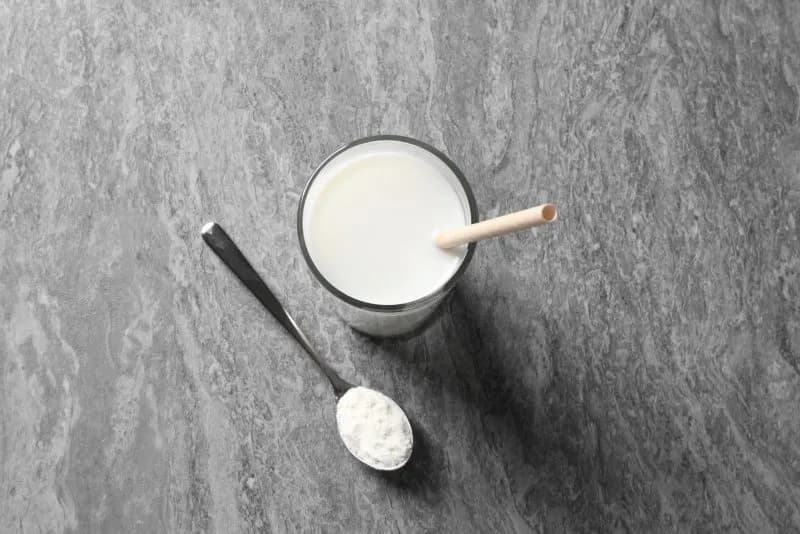
- Measure the serving with an accurate scoop or scale.
- Mix it into water, milk, curd or a normal meal.
- Take it at a time you can repeat consistently.
- Follow the label and do not combine several products containing the same ingredient.
- Continue sensible fluid intake according to thirst, weather, exercise and medical advice.
Duration should reflect the goal, response and advice appropriate to your health.
Timing: before or after exercise?
Evidence does not establish one universally essential timing window. Taking it regularly is generally more important than whether the dose is immediately before or after training.
Mix it with a regular meal at a repeatable time. A structured routine is more useful than timing tricks; this beginner fitness routine can help organise training days.
Safety and possible side effects
Standard use is generally well tolerated by healthy adults. A large single dose may cause stomach discomfort, nausea or diarrhoea. Persistent symptoms should be assessed.
Blood creatinine can rise because it is a breakdown product related to the supplement. This can complicate interpretation of kidney tests without automatically proving kidney damage. Tell the clinician ordering blood tests about every supplement you use.
Seek personalised advice before use if you:
- have kidney, liver or heart disease;
- are pregnant or breastfeeding;
- are under 18;
- take medicines that may affect kidney function or fluid balance;
- are preparing for surgery; or
- have unexplained cramps, swelling or digestive symptoms.
Stop using a product and seek urgent help for breathing trouble, facial swelling, fainting or another severe allergic reaction.
Hydration, cramps and hair-loss claims
Research does not support the idea that standard use inevitably causes dehydration or muscle cramps. Fluid needs still rise with heat and demanding exercise, so hydration should match the conditions rather than follow extreme water targets.
Hair-loss claims mainly come from limited research on a hormone marker rather than direct evidence of hair loss. People experiencing sudden or ongoing shedding should seek an appropriate assessment instead of assuming one cause.
A simple supplement habit
Choose one plain product, measure it consistently and track performance, comfort and body weight. Do not change training, diet and several supplements together. For broader consistency, use Habuild’s everyday Diet and Nutrition guide.
Editorial sources
Frequently Asked Questions
Related Articles

Strength Training for Beginners at Home: The Complete Guide
Bodyweight or light resistance exercises, done consistently at home, progressively build muscle and improve posture — no gym membership or prior experience required. See the complete guide.


Fitness Routine for Beginners at Home
A structured routine of bodyweight exercises, stretching, and light cardio — just 20-30 minutes a day with a mat — can build real strength within six to twelve weeks. See how to start.
Protein-rich vegetarian foods: 1/4th plate habit
Explore protein, carbohydrates, healthy fats and meal planning for strength training, muscle building and recovery.
