
Custard Apple: Nutrition, Portions and Safe Ways to Enjoy It
Sitaphal is a sweet, creamy seasonal fruit. Learn what it offers, how much to eat, how to tell when it is ripe and why the seeds must be removed.
Key Takeaways
- Sitaphal pulp provides carbohydrate, fibre, vitamin C, vitamin B6 and potassium.
- The black seeds and peel are not edible; never chew, crush or blend the seeds.
- Half a medium fruit or a small bowl of pulp is a practical portion for most people.
- Choose plain pulp or pulp with curd over sweetened shakes and rich desserts.
Custard apple, also called sitaphal, is a fragrant tropical fruit with creamy flesh and a naturally sweet taste. It contributes carbohydrate, fibre, vitamin C and potassium, but the edible portion is easy to misjudge because seeds and peel make up part of the fruit. A sensible guide focuses on portion, ripeness and safe preparation, not claims that one seasonal fruit cures disease.
What does sitaphal offer?
The edible pulp supplies energy mainly from carbohydrate, along with fibre, vitamin C, vitamin B6 and potassium. Values vary by variety and ripeness. Custard apple provides little protein, so curd, milk, soy yoghurt or a few nuts can make a serving more filling and balanced.
Is its natural sweetness a concern?
Fruit sugar comes within a food matrix of water, fibre and micronutrients, which differs from a syrup, but it still counts as carbohydrate. If you monitor your glucose, learn the size of the edible portion rather than going by the whole fruit's weight, and assess your response to a realistic serving instead of treating sitaphal as forbidden.
How should you eat it?
A practical portion is about half a medium fruit or a small bowl of pulp, adjusted for appetite and glucose goals. Eating it slowly comes naturally because you have to separate the seeds. A large bowl blended with sweetened milk is much easier to consume quickly and has a different nutritional impact.
Separating edible pulp from total weight
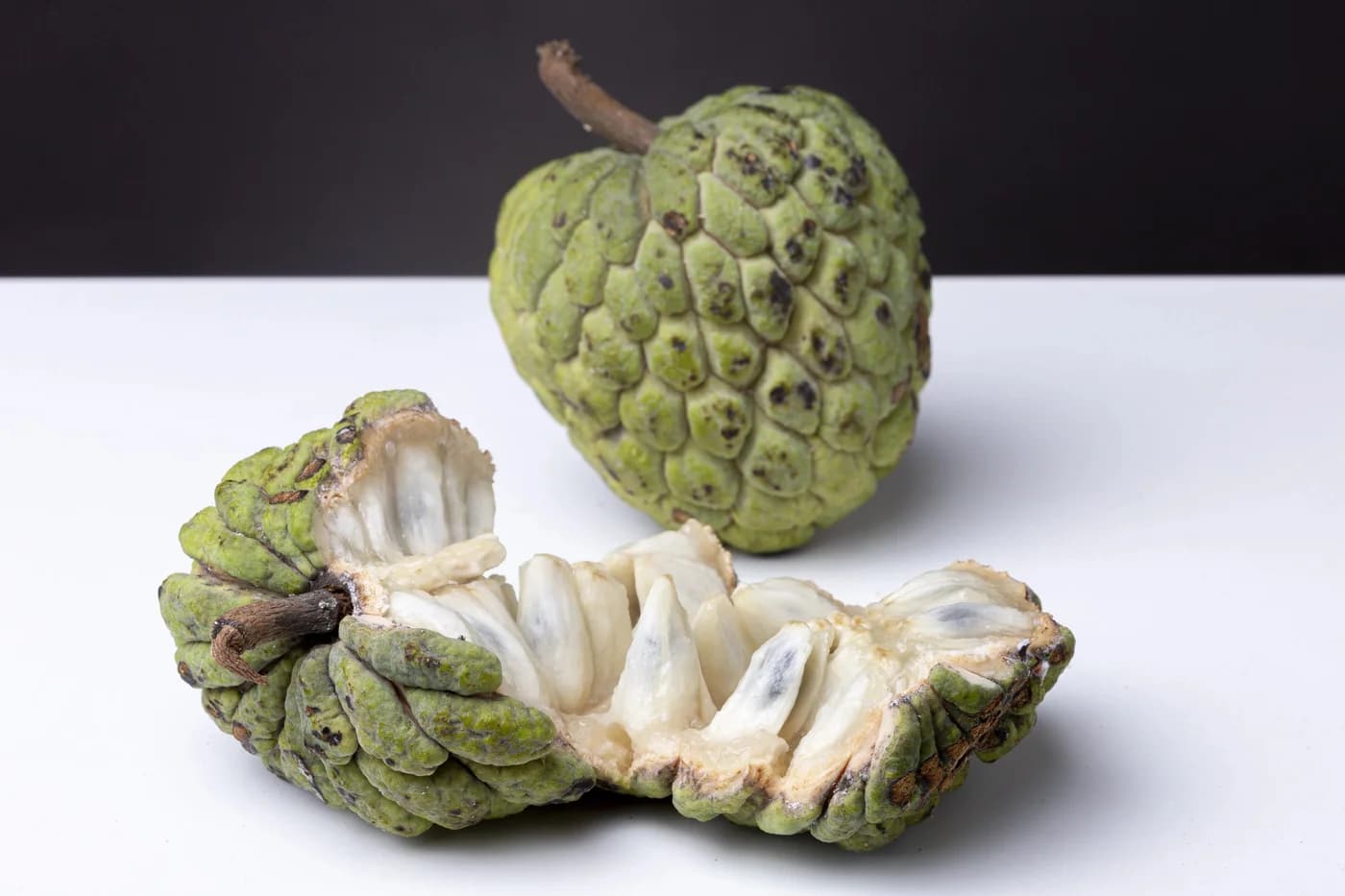
A custard apple can feel heavy because peel and seeds make up a meaningful share of it. For glucose or energy planning, estimate the pulp you actually eat rather than the unopened fruit. At home, scoop the pulp into a small bowl, remove every seed and pause before taking more. The visual portion is easier to remember than a nutrition value per 100 grams.
Simple ways to enjoy it
Eat the chilled pulp plain, spoon it over unsweetened curd or mix a measured amount with oats. Its intense sweetness usually makes extra sugar unnecessary. If you make a shake, use one fruit portion with a protein-containing base and treat it as a snack, not an unlimited drink.
Can sitaphal replace dessert?
Served chilled without syrup, it can be a satisfying finish to a meal. That does not make a custard-apple pudding low in sugar: condensed milk, ice cream or large amounts of jaggery still count. Rich traditional preparations can stay occasional treats enjoyed for pleasure rather than presented as health food.
How can you tell when it is ripe?
A ripe custard apple yields gently to pressure and may show wider gaps between its segments. Very hard fruit needs time at room temperature. A sour smell, leaking liquid or extensive dark, collapsed areas suggest spoilage. Ripen it whole, then refrigerate the soft fruit briefly and use it soon. Wash the outer skin before opening so the knife does not carry dirt into the flesh.
Why must the black seeds come out?
The glossy black seeds should be removed and discarded. Do not chew, crush or blend them, and keep seed preparations away from the eyes and skin. Traditional non-food uses of the seeds do not make them safe at home. The peel is not eaten either.
Who needs more caution?
Children and pregnancy
Ripe, hygienically prepared pulp can fit into a pregnancy diet, while the seeds remain strictly excluded. For young children, remove every seed, offer an age-appropriate texture and supervise eating.
Digestive upset and allergy
A generous serving may cause fullness, gas or loose stools in sensitive people, so increase fruit gradually if your usual fibre intake is low. An itchy mouth, hives or swelling suggests a possible allergy and needs medical assessment; breathing difficulty needs emergency help.
Enjoy it as part of a varied diet
Custard apple can be enjoyed in season without forcing it into a daily wellness routine. Rotate it with guava, citrus, papaya and other fruits to vary fibre and micronutrients. Seasonal pleasure and sensible portions are better reasons to eat it than promises about immunity, fertility or rapid weight gain.
Editorial sources
Frequently Asked Questions
Related Articles
Apple Benefits: Nutrition, Portions and Everyday Uses
Apples provide water, carbohydrate, fibre and plant compounds in a convenient fruit. They can support a varied diet, but they do not detox the body,…

Pineapple Benefits: Nutrition and Safe Portions
Explore pineapple nutrition, realistic benefits, bromelain evidence, easy serving ideas and safety tips in simple language.
Banana Benefits: Nutrition, Ripeness and Best Times to Eat One
Bananas provide carbohydrate, fibre, potassium and vitamin B6 in a portable fruit. Learn ripeness, portions and the best times to eat one.