
Pineapple Benefits: Nutrition and Safe Portions
Explore pineapple nutrition, realistic benefits, bromelain evidence, easy serving ideas and safety tips in simple language.
Key Takeaways
- Pineapple provides vitamin C, fluid and natural sweetness.
- Bromelain research mostly uses supplements, not ordinary fruit portions.
- Whole pineapple benefits gives more fibre than juice.
- Fresh, frozen or unsweetened canned pineapple can all fit.
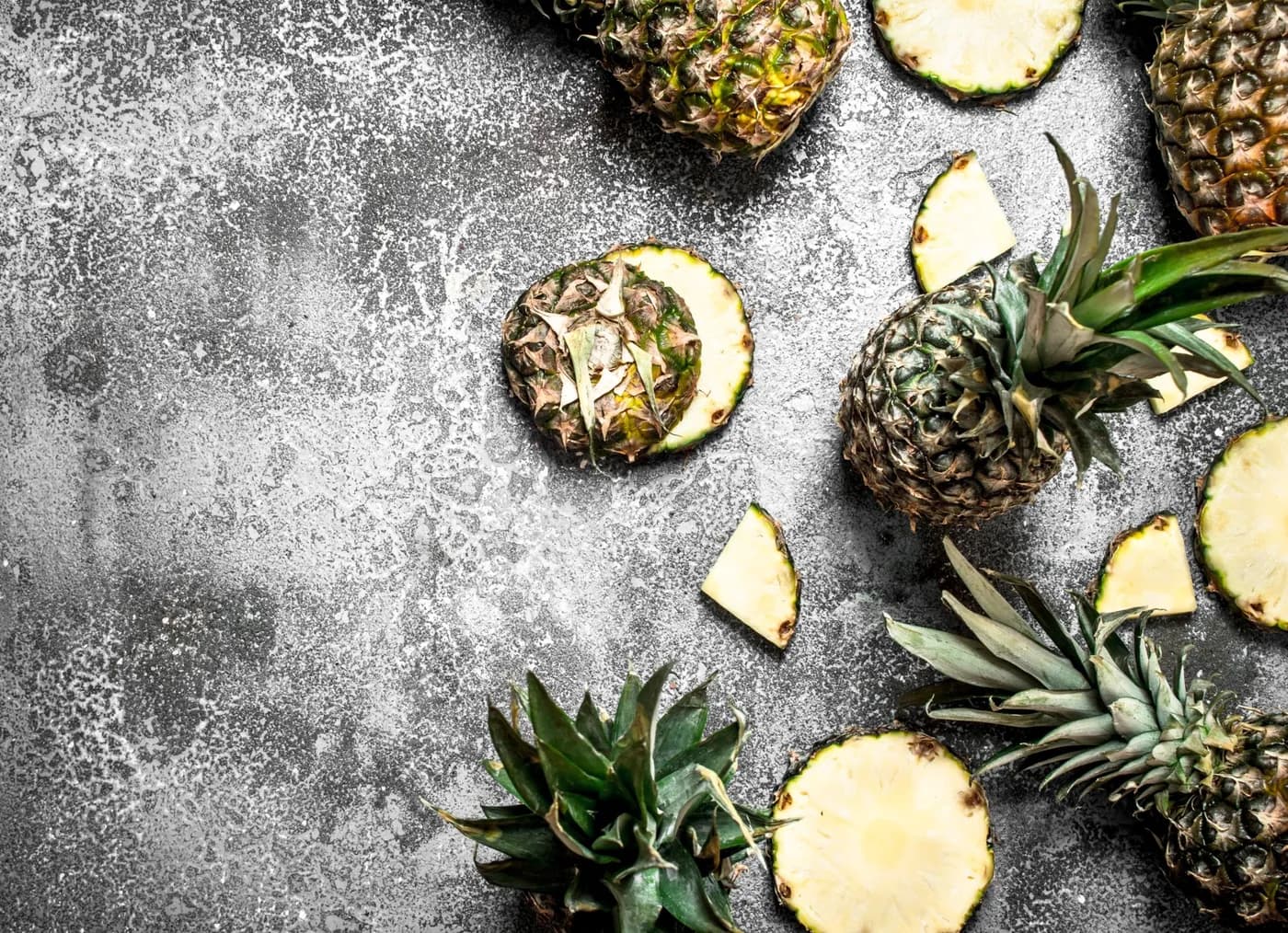
Pineapple benefits is a sweet-tart tropical fruit that works in snacks, salads and cooked meals. It offers useful nutrients, but online claims about “detoxing” and curing disease go far beyond the evidence.
What is in pineapple benefits?
Pineapple is mostly water and carbohydrate. It provides vitamin C, manganese and some fibre. A standard food database can show values for fresh, canned and frozen forms because preparation changes the numbers. (1)
Vitamin C supports normal immune function, collagen formation and iron absorption. That does not mean more is always better. Pineapple simply helps add variety alongside guava, amla, citrus fruit, capsicum and other foods.
What is bromelain?
Bromelain is a group of enzymes found in the pineapple benefits plant, especially the stem. It breaks down proteins, which is why fresh pineapple can soften meat and sometimes makes the tongue feel tender.
Bromelain supplements have been studied for swelling, pain and other uses. The US National Center for Complementary and Integrative Health says evidence is limited for many claims, and supplement doses are different from the amount in a normal serving of fruit. (2)
So, enjoy pineapple benefits as food. Do not expect a few slices to work like a researched supplement or replace medical care.
Possible benefits of pineapple
Pineapple benefits can make it easier to eat more fruit because it is colourful, juicy and naturally sweet. Whole fruit also adds fibre, which supports digestion and can make a snack more satisfying.
Its vitamin C supports normal body functions, while its water content contributes to hydration. These are useful qualities, but pineapple is not a “detox”. Your liver, kidneys, lungs and digestive system already handle waste.
Eating a range of fruits is more valuable than chasing a single ingredient. Different colours bring different nutrients and plant compounds.
Easy ways to eat pineapple
Add chopped pineapple benefits to plain curd with pumpkin seeds.
Mix it with cucumber, mint and lime for a quick salad.
If you’re also curious about Papaya Benefits: Nutrition and Simple Serving Ideas or Vitamin C Foods: Simple Indian Sources and Meal Ideas, both are worth a read.
Use frozen pieces in a smoothie with curd, not extra sugar.
Add small pieces to vegetable stir-fries for sweet-tart flavour.
Choose canned pineapple packed in water or juice, then drain it.
Avoid leaving cut fruit at room temperature for long. Refrigerate leftovers promptly and use clean knives and boards.
Portions and blood sugar
A small bowl of pineapple benefits can count as one fruit serving. Juice is faster to drink and has less fibre, so whole pieces are usually the better daily option.
People with diabetes do not automatically need to avoid fruit. The portion, timing and rest of the meal matter. A clinician or dietitian can help fit pineapple into an individual plan. (3)
Pairing pineapple with curd, nuts or seeds may help the snack feel more complete. Avoid adding sugar to already-sweet fruit.
Safety and allergy notes
Fresh pineapple benefits can cause tingling or soreness because of its acidity and enzymes. A smaller portion or cooked pineapple may feel gentler.
Some people are allergic to pineapple benefits. Stop eating it and seek urgent help for breathing trouble, swelling or a severe reaction.
Bromelain supplements may interact with medicines and can cause side effects. Speak to a health professional before using a concentrated product. (2)
Wash the outside before cutting, remove damaged parts and keep cut fruit chilled. These basic food-safety steps reduce contamination risk. (4)
Make it an easy habit
Buy one small pineapple or a no-sugar frozen pack. Cut it once, divide it into small boxes and use those boxes across two or three days. Preparation makes the healthy choice easier at a busy snack time.
Relevant Habuild interlink
Combine balanced eating with gentle daily movement through Habuild’s Yoga Everyday programme.
Frequently Asked Questions
Related Articles
Healthy fats: why your body needs fat
Healthy fats help your body absorb vitamins and support brain, hormones, joints, cells and daily meals. Learn simple vegetarian sources and habits.

Good fats vs bad fats: choose fats wisely
Understand good fats vs bad fats in simple words. Learn which vegetarian fats to choose, what to reduce and how to read food labels better.
