
Dandelion Root: Nutrition, Benefits and Easy Ways to Use It
Dandelion root can add variety, flavour and useful nutrients to a vegetarian eating pattern. Its exact nutrition depends on the form, serving and.

Key Takeaways
- The best-established use of roasted dandelion root is as a bitter, naturally caffeine-free drink.
- Research has not confirmed most claimed dandelion root benefits in humans.
- Dandelion root has not been shown to cleanse the liver, remove toxins or cause meaningful fat loss.
- A strained cup of dandelion root tea contains little of the fibre present in the whole root.
- Concentrated extracts and supplements are less studied than food-like amounts.
- People taking medicines or living with certain medical conditions should seek professional advice.
Dandelion root is commonly roasted and brewed as an earthy, caffeine-free herbal drink. Interest in dandelion root benefits often centres on digestion, liver health, water retention and weight management. However, reliable human research supporting these claims remains limited.
Dandelion has a long history of traditional use, but that does not mean every health claim has been scientifically proven. Food-like amounts may be tolerated by many adults, while concentrated extracts and supplements may cause side effects or interact with medicines.
What Is Dandelion Root?
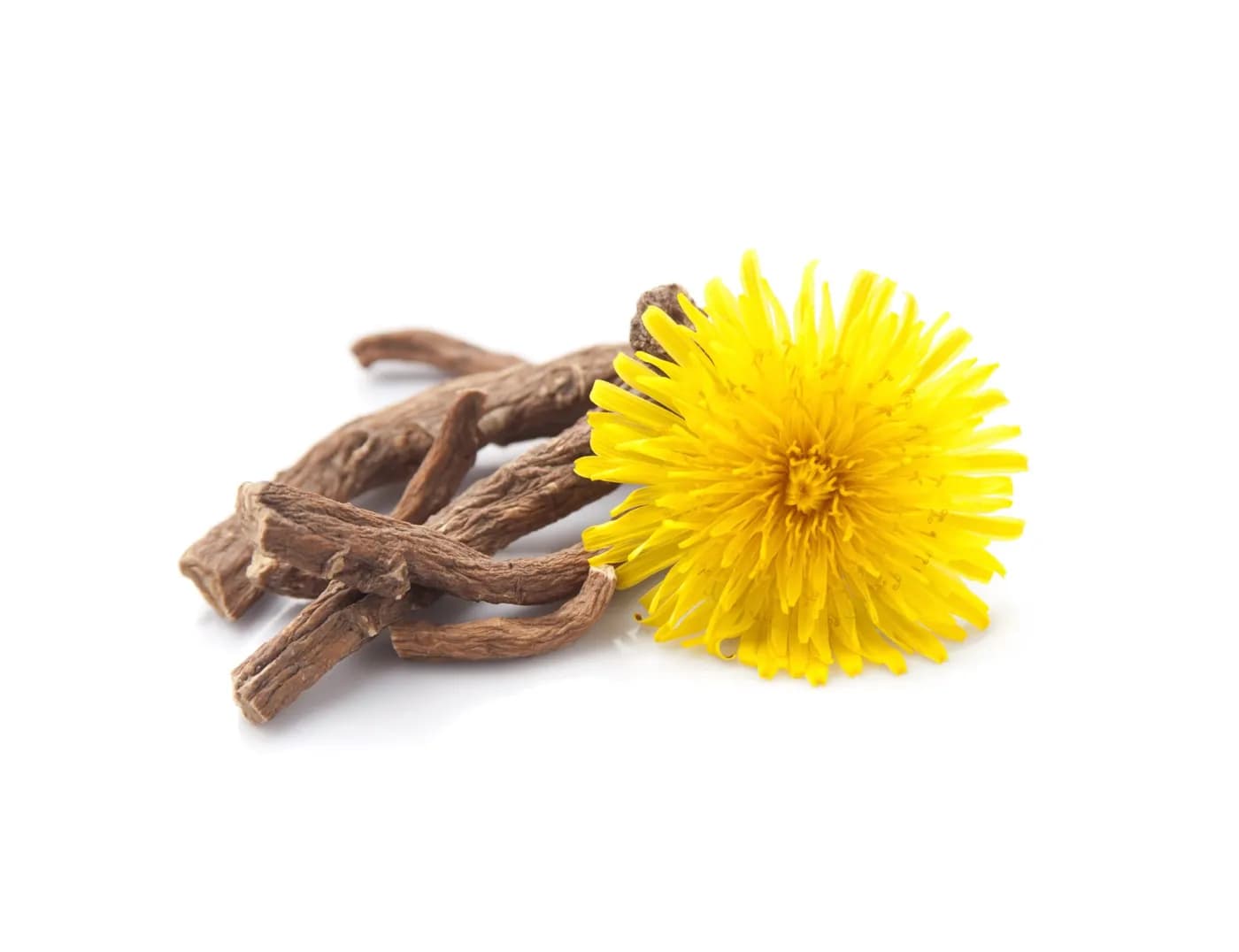
Dandelion root comes from Taraxacum officinale, the familiar yellow-flowered plant. Its roots, leaves and flowers have all been used as foods or traditional remedies. However, these parts are not nutritionally or pharmacologically identical.
The plant develops a long taproot that can be dried, ground and roasted. When brewed, roasted dandelion root produces a dark, earthy and mildly bitter drink sometimes called dandelion coffee.
Plain roasted dandelion root does not contain coffee beans and is naturally caffeine-free. However, some commercial blends contain coffee, black tea, cacao, chicory or other ingredients. Check the complete ingredient list if you are avoiding caffeine.
Dandelion Root Nutrition Facts
Whole fresh dandelion root contains carbohydrates and fibre, along with small amounts of vitamins and minerals. Its nutritional composition can vary according to growing conditions, plant maturity, processing method and serving size.
Understanding dandelion root nutrition is important when evaluating proposed dandelion root benefits. The root is generally consumed in small quantities, so it should not be treated as a major source of vitamins or minerals.
A strained cup of dandelion root tea is not nutritionally equivalent to eating the whole root. Most of the fibre remains in the plant material that is removed after brewing. Capsules, tinctures and extracts should be considered concentrated herbal products rather than reliable sources of everyday nutrition.
Potential Dandelion Root Benefits: What Does Research Show?
Researchers have investigated possible antioxidant, anti-inflammatory, blood-sugar, digestive, diuretic and anticancer properties of dandelion. However, much of this research has been conducted in laboratories or animals.
Laboratory findings can help researchers develop new hypotheses, but they do not prove that drinking dandelion root tea or taking a supplement will produce the same effects in people.
According to the National Center for Complementary and Integrative Health, very little research has been conducted on dandelion in humans. There is currently no compelling scientific evidence supporting its use for any health condition.
Therefore, discussions of dandelion root benefits should distinguish between traditional uses, early laboratory findings and clinically proven effects. Its most realistic everyday benefit is that it offers a caffeine-free beverage option for people who enjoy its flavour.
May Dandelion Root Help Digestion?
Dandelion root has traditionally been used for appetite, indigestion and constipation. Some people find that a warm, bitter drink feels pleasant after a meal.
However, there is not enough reliable evidence to recommend dandelion root as a treatment for digestive problems. Claims about digestive dandelion root benefits are largely based on traditional use rather than strong human clinical trials.
Dandelion may also cause heartburn, stomach discomfort or diarrhoea in some people, particularly when consumed in larger quantities.
Persistent abdominal pain, repeated vomiting, blood in vomit or stool, difficulty swallowing, unexplained weight loss or lasting changes in bowel habits require medical assessment. Herbal tea should not delay diagnosis or prescribed treatment.
Do Dandelion Root Benefits Include Liver Detoxification?
No good-quality human evidence shows that dandelion root cleanses the liver or reverses damage caused by alcohol, infections, fatty liver disease or medicines. The liver and kidneys already process and remove waste through the body’s normal biological systems.
Products marketed as detox teas may combine dandelion with laxative, stimulant or diuretic herbs. These blends may cause diarrhoea, dehydration or medicine interactions without removing vaguely defined “toxins.”
Claims that dandelion root benefits include liver cleansing should therefore be treated cautiously. Liver symptoms or abnormal liver-test results require appropriate medical evaluation.
Can Dandelion Root Reduce Water Retention or Body Weight?
Dandelion is often described as a natural diuretic, but clinical evidence remains limited. Increased urination may produce a temporary reduction in body weight by removing water. This is not the same as losing body fat.
There is no convincing evidence that dandelion root benefits include sustainable weight loss. A tea or supplement cannot replace balanced meals, regular activity, adequate sleep and appropriate medical care.
Do not attempt to treat unexplained swelling with dandelion or another diuretic herb. Swelling may be connected to heart, kidney, liver or vein conditions, pregnancy, or medicines. Sudden swelling, breathlessness, chest discomfort or swelling on only one side requires prompt medical attention.
Easy Ways to Use Dandelion Root
Roasted Dandelion Root Tea
Follow the product’s preparation instructions because the grind, roasting level and concentration can vary. A common method is to steep or gently simmer a small amount of roasted root in hot water and then strain it.
Begin with a weaker brew if you are unfamiliar with its bitter flavour.
You can:
- Drink it plain or add a little milk.
- Use an unsweetened, fortified plant drink.
- Add cinnamon, ginger or cardamom for flavour.
- Mix a small amount with coffee if you want to reduce caffeine gradually.
- Use cooled, plain tea as part of the liquid in oats.
- Choose a single-ingredient product instead of a multi-herb detox blend.
Sugar, honey and flavoured creamers add calories and alter the drink’s nutritional profile. Although beverage use is the most practical way to explore dandelion root benefits, dandelion tea is not a nutritional replacement for coffee or a treatment for disease.
There is no established therapeutic dose for dandelion root. Consuming more does not necessarily make it safer or more effective.
For ideas on building more balanced everyday meals, read Diet and Nutrition: Your Everyday Guide to Health and Wellness.
Dandelion Root Side Effects
Dandelion used in food or tea may be tolerated by many people, but side effects can occur. Possible effects include:
- Heartburn or stomach discomfort
- Loose stools or mild diarrhoea
- Increased urination
- Skin rash or another allergic reaction
- Low blood sugar, particularly when combined with diabetes medicines
The safety profile is an important part of assessing dandelion root benefits. Concentrated supplements may not affect the body in the same way as a mildly brewed cup of tea.
Stop using the product and seek professional advice if symptoms develop. Seek urgent medical assistance for breathing difficulty, swelling of the face or throat, faintness, or a rapidly spreading allergic reaction.
Who Should Avoid Dandelion Root or Seek Advice First?
People With Allergies
Dandelion belongs to the Asteraceae or daisy family. It may cause an allergic reaction, particularly in people sensitive to plants such as ragweed, chrysanthemums, marigolds and daisies.
Cross-reactions are not perfectly predictable. Avoid experimenting with concentrated products if you have previously experienced a serious plant allergy.
People With Gallbladder or Bile-Duct Conditions
The European Medicines Agency’s herbal monograph advises against dandelion root use in people with bile-duct obstruction, cholangitis, gallstones or other biliary conditions because it may stimulate bile secretion.
People with liver disease, an active peptic ulcer or unexplained upper-abdominal symptoms should also obtain clinical advice before medicinal use.
People Taking Medicines
Dandelion products may potentially interact with medicines, including:
- Diabetes medicines
- Anticoagulant or antiplatelet medicines
- Diuretics or “water pills”
- Other medicines affected by a product’s additional herbal ingredients
If you take regular medicine, show the complete product label to a doctor or pharmacist before using dandelion supplements or drinking the tea frequently.
Do not stop prescribed treatment or use dandelion in place of a medically necessary diuretic. The possible dandelion root benefits do not outweigh the risks of changing prescribed treatment without medical advice.
Pregnancy, Breastfeeding and Children
There is not enough reliable information to establish the safety of amounts greater than those normally found in food during pregnancy or breastfeeding. Avoid supplement-style use unless a qualified healthcare professional specifically recommends it.
Concentrated herbal products should not be given to children without guidance from an appropriate paediatric healthcare professional.
How to Choose and Store Dandelion Root
When buying dandelion root:
- Look for the botanical name Taraxacum officinale.
- Confirm that the plant part listed on the label is the root.
- Choose a reputable supplier with a complete ingredient list.
- Look for batch details and a best-before date.
- Do not assume that dandelion leaf, root and whole-plant extracts have identical effects.
- Avoid products promising to cure disease, rapidly cleanse the liver or guarantee weight loss.
- Choose plain products over complex detox blends when possible.
Store dried root in an airtight container away from heat and moisture. Discard it if it becomes damp, mouldy or unusually stale.
Do not collect dandelions from roadsides, chemically treated lawns or areas that may be contaminated with pesticides or animal waste. Plant-identification errors are another reason to purchase products from a reliable supplier.
Editorial Sources
- National Center for Complementary and Integrative Health: Dandelion—Usefulness and Safety
- European Medicines Agency: European Union Herbal Monograph on Dandelion Root
- Memorial Sloan Kettering Cancer Center: Dandelion
- US Food and Drug Administration: Dietary Supplements
- NHS: Herbal Medicines
- USDA FoodData Central
Medical review note: This article provides general information and does not replace individual medical advice.
Frequently Asked Questions
Related Articles
Protein-rich vegetarian foods: 1/4th plate habit
Explore protein, carbohydrates, healthy fats and meal planning for strength training, muscle building and recovery.


How to Activate Root Chakra: Yoga, Meditation & Grounding Practices
The root chakra, or Muladhara, sits at the base of the spine and is considered the foundation of the entire chakra system. See the yoga poses.


How to Heal Root Chakra: A Complete Guide to Grounding and Stability
The root chakra, or Muladhara, governs your sense of safety, physical stability, and vitality — when out of balance, it can show up as anxiety and.