
Dates Benefits: Nutrition and Portions
Dates are a sweet dried fruit rich in fibre and potassium. Learn realistic benefits, sensible portions and how to enjoy them daily.
Key Takeaways
- Dates provide carbohydrate, fibre, potassium and plant compounds.
- They are concentrated in natural sugar and energy.
- A small portion works better than eating from the packet.
- People with diabetes can plan dates benefits into a meal with guidance.
Dates benefits are naturally sweet dried fruit with fibre and potassium. Learn realistic benefits, useful portions and simple ways to eat them.
What are dates?
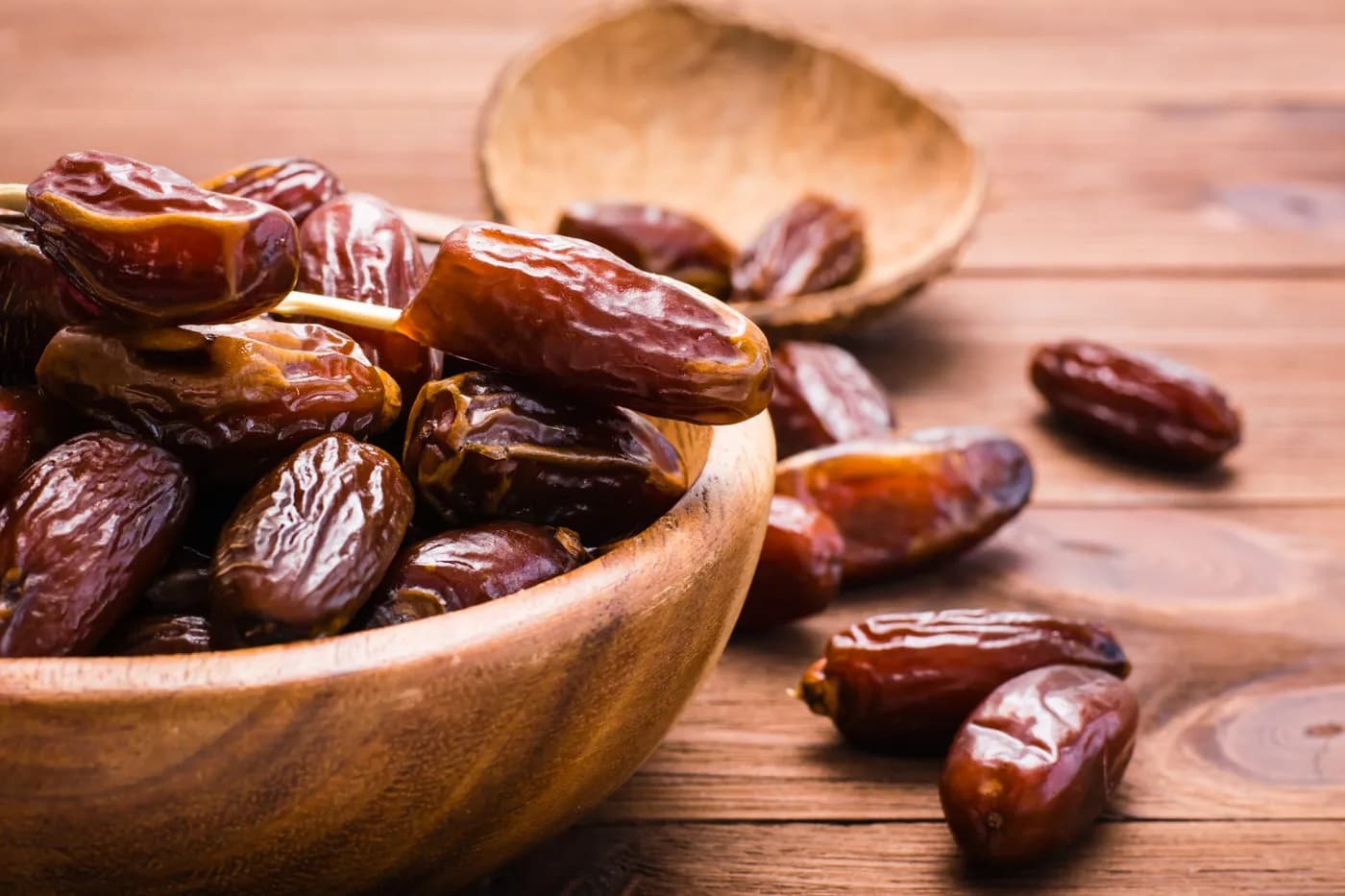
Dates are the fruit of the date palm, Phoenix dactylifera. They may be soft and sticky, semi-dry or dry. Medjool, Deglet Noor and many regional varieties differ in size, taste and texture.
Because much of their water has been lost, dates benefits contain more carbohydrate and energy in each bite than fresh fruit. They also provide fibre, potassium and small amounts of other minerals.
Possible benefits of dates
Quick energy
Dates are rich in carbohydrate, so they can provide quick energy. One or two may be useful before a walk or workout when you need a small, portable snack.
They are not an energy cure for constant fatigue. Ongoing tiredness can come from poor sleep, anaemia, thyroid problems, infection, stress or too little food.
Fibre for digestion
Dates benefits contain fibre, which supports bowel regularity and helps the fruit feel more filling than plain sugar. Large portions may still cause gas or loose stools.
Potassium and plant compounds
Dates provide potassium and different phenolic compounds. Laboratory studies show antioxidant activity, but this does not prove that dates benefits prevent disease in people.
What does research say about blood sugar?
Dates contain natural sugars and do raise blood glucose. Small human studies suggest planned portions may not worsen glucose control in some people with type 2 diabetes, but studies are limited, short and use different varieties. (1)
This is not permission for unlimited dates. Portion, the rest of the meal, medicines and personal glucose response all matter.
How many dates benefits should you eat?
There is no magic number. Size varies greatly: one large Medjool date can be several times heavier than a small date.
A practical starting portion is one large date or two to three small dates. Put the portion on a plate and close the packet.
Pair dates with curd, milk, nuts or seeds if you want a more balanced snack. The protein or fat can make it more satisfying, but the dates benefits still contain carbohydrate.
Dates versus sugar
Dates benefits provide fibre and minerals that table sugar does not. That does not make date syrup or date paste “free sugar-free” in practical use.
When dates are blended into sweets, shakes or syrup, it becomes easy to eat a large amount quickly. The body still receives concentrated sugars and energy.
Use dates to add sweetness and texture, not to turn every dessert into a health food.
If you’re also curious about Banana calories and carbohydrates or High-Fibre Foods, both are worth a read.
Easy ways to use dates benefits
- Stuff one date with a teaspoon of peanut butter.
- Chop a small date into oats or porridge.
- Blend one into an unsweetened curd smoothie.
- Add chopped dates to a nut-and-seed mix.
- Use a little date paste in homemade laddoo.
- Serve dates with milk or curd instead of a large sweet.
Remember that nuts, nut butter and dates benefits are all energy-dense. Small combinations are usually enough.
How to choose and store dates
- Check for mould, insects, leaks or a fermented smell.
- Choose packs with a clear ingredient list and date.
- Store opened packs sealed in a cool, dry place or refrigerator.
- Wash your hands before handling sticky dates benefits.
- Remove the hard pit before serving.
For young children, cut dates into an age-safe texture and check carefully for pits. Whole sticky dates can be a choking risk.
Dates benefits and diabetes
People with diabetes do not always need to avoid dates, but they should count them as carbohydrate. The NIDDK recommends planning portions and balancing carbohydrate foods as part of an individual eating plan. (2)
If you check glucose at home, compare the response to a planned portion rather than a large mixed dessert. Do not change medicine based on a food article.
For more simple snack planning, read Habuild’s Diet and Nutrition guide.
Who should be careful?
People with kidney disease who must limit potassium should ask about a suitable portion. Those with swallowing problems need safer textures.
Dates stick to teeth. Rinse with water after eating and keep regular brushing and dental care. Frequent grazing on sticky sweet foods can increase tooth-decay risk.
Dates benefits may trigger allergy in rare cases. Seek urgent help for breathing trouble, throat swelling, fainting or widespread hives.
Very large portions can cause bloating, stomach pain or diarrhoea. Reduce the amount and seek care for persistent symptoms.
A simple portion habit
For one week, pre-portion dates before eating. Pair them with a protein-rich food on three days and notice hunger, enjoyment and digestion.
If dates benefits are easy to overeat, buy a smaller pack or keep them out of sight. The goal is a repeatable portion, not perfect control.
Frequently Asked Questions
Related Articles

Healthy fats: why your body needs fat
Healthy fats help your body absorb vitamins and support brain, hormones, joints, cells and daily meals. Learn simple vegetarian sources and habits.

Good fats vs bad fats: choose fats wisely
Understand good fats vs bad fats in simple words. Learn which vegetarian fats to choose, what to reduce and how to read food labels better.
