
Lime vs Lemon: Differences in Nutrition, Taste and Uses
Limes and lemons are close citrus relatives, not nutritional opposites. Their biggest differences are flavour, appearance and culinary use.
Key Takeaways
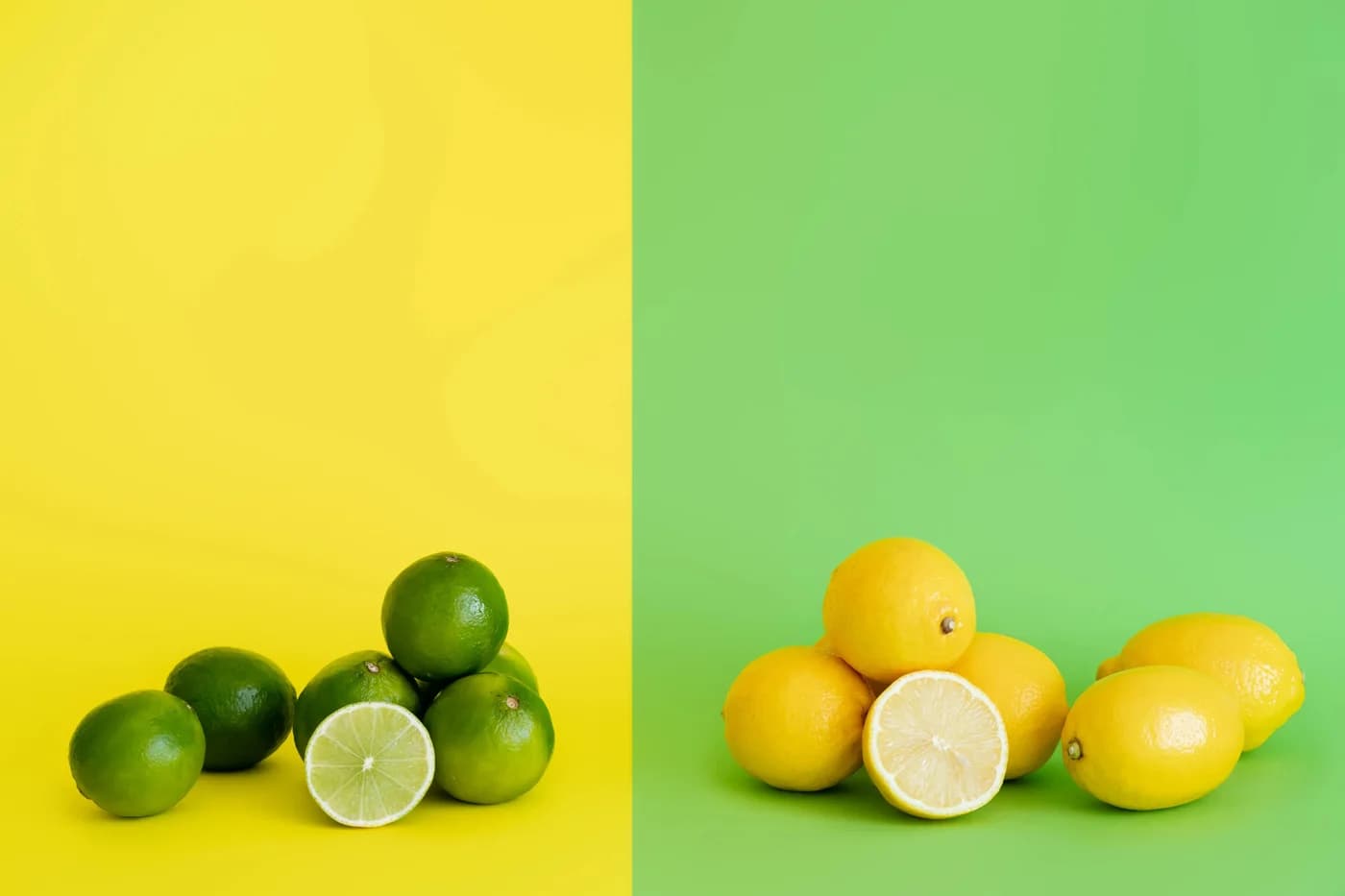
- Lemons are usually yellow and oval; limes are often green, smaller and rounder.
- In a typical squeeze, the nutritional difference between lime and lemon is modest.
- Either can usually replace the other in recipes; adjust gradually for taste and acidity.
- Sip citrus drinks with meals, rinse with water afterwards and wait before brushing teeth.
Limes and lemons are close citrus relatives, not nutritional opposites. The main difference between lime and lemon in everyday life is flavour, appearance and how each is used in the kitchen.
The quick difference
Lemons are commonly yellow when ripe, slightly larger and oval, while many commonly sold limes are green, smaller and rounder. Both are citrus fruits with tart juice and aromatic peel. Their exact colour and flavour vary by variety and ripeness, so appearance alone is not a perfect botanical rule.
Varieties, colour and Indian nimbu
The shorthand of yellow lemon and green lime works most of the time, but citrus varieties are more complicated. Some limes turn yellow as they mature, while certain lemons remain greenish in suitable climates. Indian nimbu may be sold under either English name depending on region and seller. For cooking, aroma, juiciness and acidity are more useful clues than a strict colour rule.
Thinner-skinned fruit may feel juicier, while thicker peel is useful when zest is needed. Rolling the fruit gently on the counter before cutting can release more juice; this changes extraction, not nutrition.
Nutrition comparison
Both are low-calorie foods that provide vitamin C and small amounts of other nutrients. Because lemon and lime juice are used in relatively small quantities, the nutritional difference between lime and lemon in a typical squeeze is modest, and amounts vary by variety. Whole citrus segments provide more fibre than strained juice.
Vitamin C is sensitive to heat and prolonged storage, so adding either juice near the end of cooking can retain more of it. A varied diet still matters far more than extracting every last milligram.
Taste and cooking uses
Lemon often tastes bright and sharply sour, while lime may taste more floral, bitter or intense. Lime suits chaats, chutneys, dals, marinades and many Southeast Asian or Mexican dishes. Lemon works well in dressings, tea, baked foods and Mediterranean-style recipes.
Can you swap lime for lemon?
Usually yes. Because taste and acidity can differ, add the substitute gradually and adjust to taste rather than swapping measure for measure without tasting. In most everyday Indian dishes, such as dal, poha or chana, use whichever tastes better and is affordable.
Both peels can be zested. Wash the fruit thoroughly first and grate only the coloured outer layer, which holds the aromatic oils; the white pith underneath is more bitter. Zest works in curd, dressings, rice dishes and lightly sweetened bakes.
Using either citrus in Indian meals
Acidity brightens flavour and can reduce the urge to keep adding salt. Squeeze lime or lemon over dal, poha, chana, salads or cooked greens shortly before serving. The vitamin C also helps the body absorb non-haem iron from plant foods eaten in the same meal.
Citrus acidity can slow browning on freshly cut fruit and help a marinade flavour tofu or paneer. However, acid alone does not make raw ingredients safe, and soaking food in juice is not a replacement for clean handling, refrigeration or adequate cooking.
Selection and storage
Choose fruit that feels heavy for its size, with firm skin and no mould or leaking patches. Whole fruit lasts longer than cut fruit because the peel remains intact. Store at room temperature for short use or refrigerate for longer keeping. Wrap cut halves and refrigerate them, and refrigerate freshly squeezed juice and use it promptly.
Bottled juice is convenient but may be heat-treated and can contain preservatives. Its flavour and vitamin C may differ from freshly squeezed juice, so check whether salt or another ingredient has been added.
Claims that apply to neither fruit
Neither lime nor lemon water changes blood pH in a healthy person; the lungs and kidneys regulate it tightly. Neither fruit dissolves body fat, detoxifies the body or cleanses the liver. An unsweetened drink can help when it replaces a sugary beverage, but that is a substitution benefit.
Claims about preventing kidney stones need nuance. Citrate can be relevant for some stone types, but anyone with recurrent stones should follow individual medical advice rather than random quantities of citrus juice.
Safety for teeth, digestion and skin
Frequent acidic drinks can contribute to dental enamel erosion, and frequency of exposure matters. Avoid sipping lemon or lime water continuously, dilute strong drinks, avoid swishing them, rinse with plain water and wait before brushing. Citrus may aggravate reflux or mouth ulcers in some people. Never apply undiluted juice to skin; sunlight plus citrus compounds can cause a painful reaction.
Editorial sources
Frequently Asked Questions
Related Articles
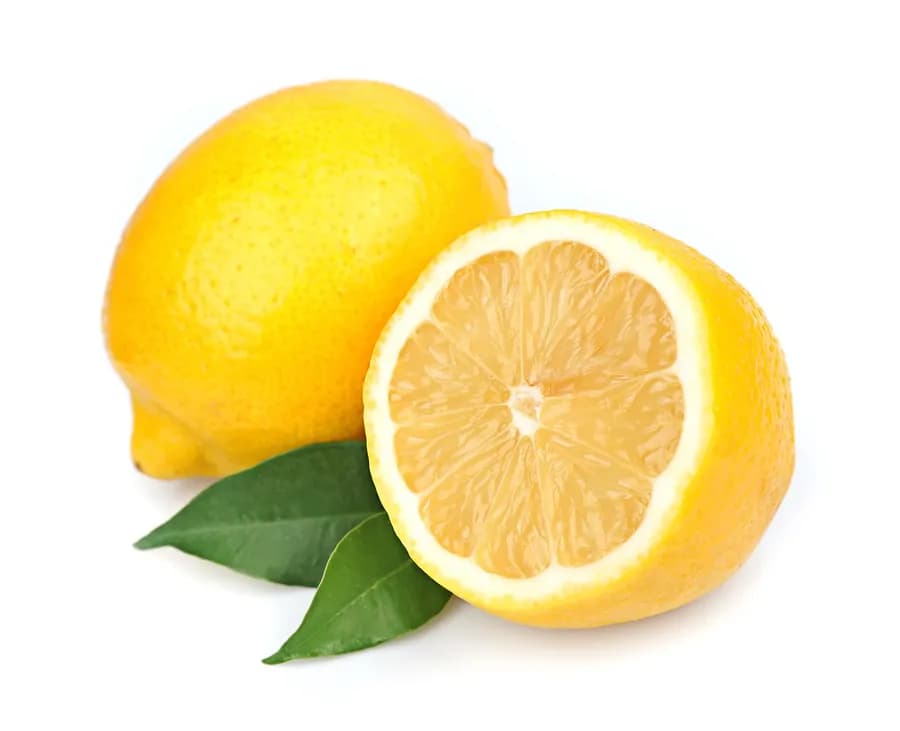
Lemon Benefits: Nutrition, Uses and Safety
Lemon adds acidity, aroma and vitamin C to meals. Learn about practical uses, portions and safety.


Lemon Water Benefits: Hydration, Vitamin C and Dental Safety
Lemon water is simply water with lemon juice or slices, and its main value is helping some people drink more water. Learn dental safety.

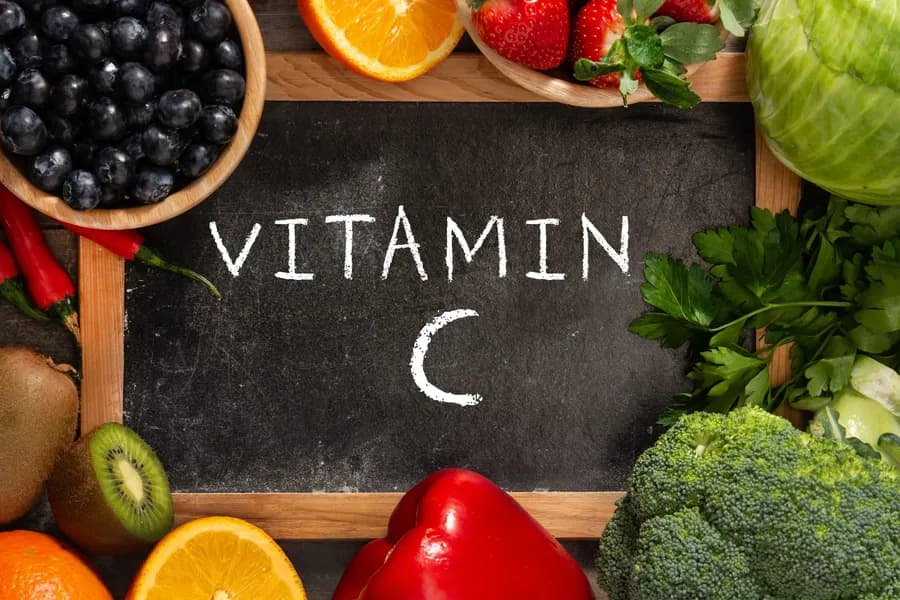
Vitamin C Foods: Simple Indian Sources and Meal Ideas
Discover vitamin C-rich Indian foods, easy meal ideas, simple cooking tips, deficiency signs and safe supplement guidance to follow.