
Electrolyte Rich Foods: Natural Sources for Everyday Hydration
For everyday hydration, electrolyte rich foods usually do the job just as well as a sports drink — often with less added sugar. See the best natural.
Key Takeaways
- Sports drinks are formulated for prolonged heavy sweating, not typical daily activity.
- Bananas, coconut water, and curd cover most electrolyte needs with less added sugar.
- Potassium is the electrolyte most people under-consume relative to sodium.
- A diet heavy in salty snacks but light in produce can tilt the sodium-potassium balance.
- Pickles and salted foods are an overlooked sodium source when actually needed.
For everyday hydration, electrolyte rich foods usually do the job just as well as a commercial sports drink — often with less added sugar and more overall nutrition. Electrolytes are simply minerals like sodium, potassium, magnesium, and calcium that carry electrical charge in the body, and unless you’re sweating heavily for extended periods, your regular diet can supply what you need.
Electrolyte Rich Foods at a Glance
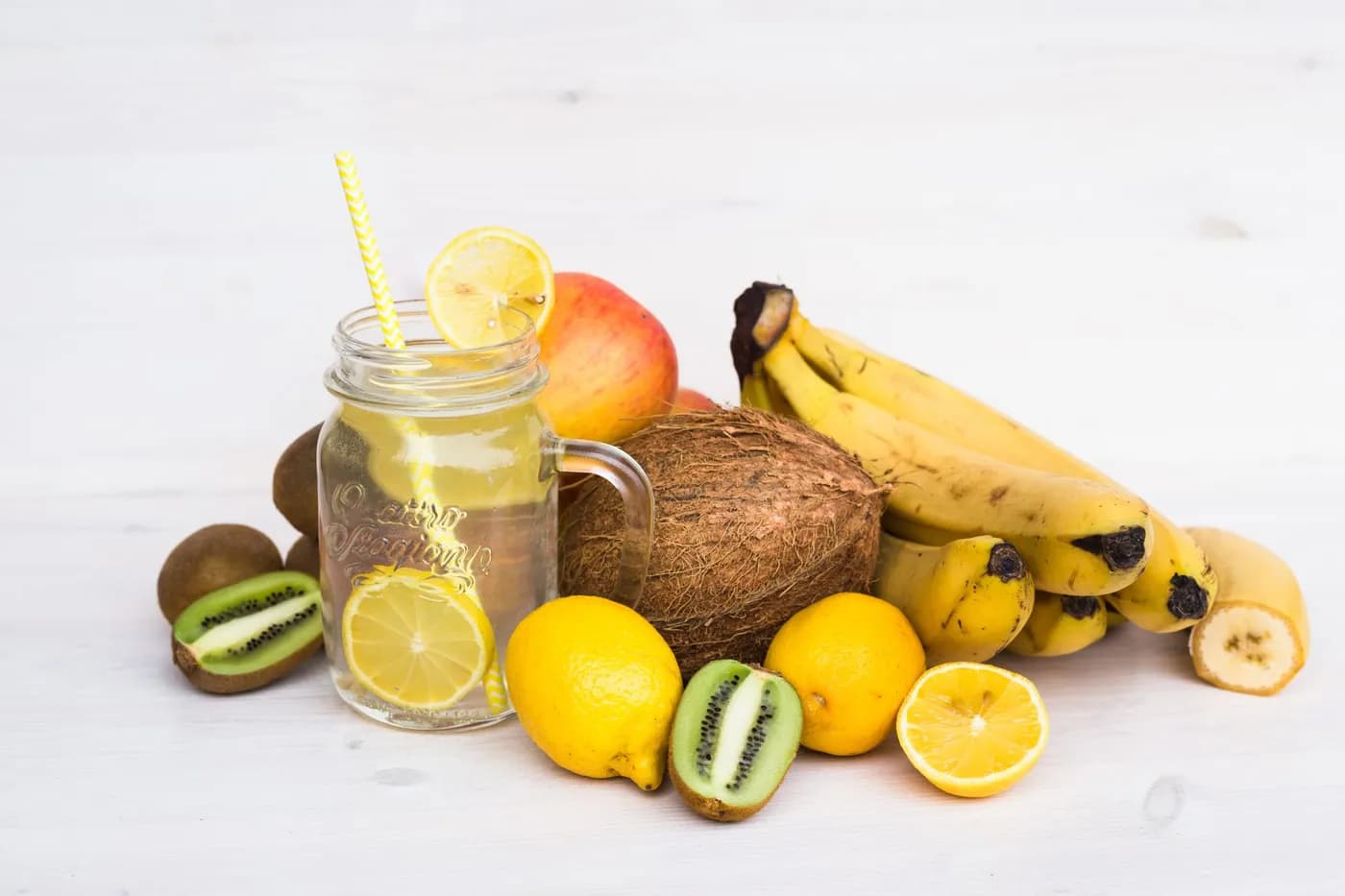
- Bananas: A reliable source of potassium, useful for muscle and nerve function.
- Coconut water: Naturally rich in potassium with modest sodium and magnesium, and lower in sugar than most sports drinks.
- Leafy greens (spinach, methi, amaranth): Good sources of magnesium and calcium alongside potassium.
- Curd and buttermilk (chaas): Provide calcium, some sodium, and potassium, plus a cooling effect that suits Indian summers.
- Nuts and seeds (almonds, pumpkin seeds): Concentrated sources of magnesium.
- Potatoes and sweet potatoes: Surprisingly high in potassium, especially when eaten with the skin.
- Citrus fruits and watermelon: Combine water content with potassium and small amounts of other minerals.
- Pickles and salted foods: A practical, if less “health food,” source of sodium when needed in moderation, and one of the more overlooked electrolyte rich foods in Indian kitchens.
Why You Probably Don’t Need Sports Drinks
Commercial electrolyte drinks are formulated for a specific scenario: prolonged, heavy sweating during endurance exercise, hot-weather labour, or illness with vomiting or diarrhoea. For a normal day of moderate activity, a balanced diet of naturally mineral-rich foods, plus adequate water intake, covers your needs without the added sugar, artificial colours, or cost that many sports drinks carry. A glass of coconut water, a banana, or a bowl of curd rice can replace what’s lost in an average workout just as effectively for most people, while also delivering fibre, protein, or other nutrients that a bottled drink doesn’t. Leaning on electrolyte rich foods first is simply the more sustainable default for most people.
Electrolyte Rich Foods by Mineral
Different electrolytes serve different roles, so it helps to know which electrolyte rich foods cover which mineral:
- Sodium: Table salt, pickles, papad, and salted snacks are the main dietary sources — most people get enough or more than enough without trying.
- Potassium: Bananas, potatoes, coconut water, spinach, and beans are strong sources; this is the electrolyte most people under-consume relative to sodium.
- Magnesium: Nuts, seeds, whole grains, and leafy greens are the best natural sources, and many diets fall short here too.
- Calcium: Dairy (milk, curd, paneer), sesame seeds (til), and leafy greens like spinach and methi are reliable sources.
Balancing sodium against potassium matters more than most people realise — a diet heavy in processed, salty snacks but light in fruits and vegetables can tilt this ratio in a direction linked to higher blood pressure over time. Leaning on electrolyte rich foods rather than processed snacks is the simplest way to keep that ratio in check.
That balance matters alongside how much you’re drinking overall too — Daily Water Intake covers how to size that up for your own body, and Coconut Water Benefits looks at whether that specific drink is worth reaching for on top of food sources.
Photo: moonjazz, Public Domain Mark, via Openverse
When Food Alone Might Not Be Enough
There are situations where whole foods alone may need a boost from fluids with added minerals — prolonged exercise lasting over an hour in heat, fever with sweating, or vomiting and diarrhoea, where fluid and mineral losses happen faster than food can replace them. In these cases, a simple homemade solution of water, a pinch of salt, a squeeze of lemon, and a little sugar or honey works reasonably well, or you can turn to coconut water or a diluted electrolyte drink. For everyday hydration outside these scenarios, though, reaching for whole foods first is usually the more sustainable habit, and electrolyte rich foods should still be your baseline even during heavier losses.
Building Electrolyte Rich Foods Into Daily Meals
A traditional Indian thali already leans toward good electrolyte coverage — dal for potassium and magnesium, curd for calcium, sabzi for a spread of minerals, and salt used in cooking for sodium. Small, consistent additions like a banana with breakfast, a glass of buttermilk after lunch, or a handful of nuts as a snack build up mineral intake steadily throughout the day, which matters more than trying to fix hydration with one large drink after a workout.
Common Mistakes People Make With Electrolyte Rich Foods
A few habits get in the way of getting real benefit from electrolyte rich foods. Reaching for a sports drink out of habit after a light, indoor workout is one — most people sweat far less than they assume, and the added sugar isn’t doing them any favours. Another is loading up on salty snacks for “sodium” while ignoring the potassium side of the equation, which skews the sodium-to-potassium ratio in the wrong direction over time. Some people also assume a single big glass of coconut water or a sports drink after exercise fixes everything, when spreading electrolyte rich foods evenly across meals through the day works better than one large dose after the fact. And restrictive diets that cut out entire food groups — fruit, dairy, or carbohydrates — can accidentally cut out major electrolyte sources along with them.
Myths vs Facts About Electrolyte Rich Foods
- Myth: You need a sports drink to replace electrolytes after any workout. Fact: for most workouts under an hour, water plus a normal diet of electrolyte rich foods covers it; sports drinks earn their place mainly in prolonged, heavy-sweat exercise.
- Myth: Salty food is always the enemy. Fact: sodium is an essential electrolyte too — the real issue is a diet that’s heavy in salt but light in the potassium-rich fruits and vegetables that balance it out.
- Myth: Muscle cramps always mean you need more electrolytes. Fact: cramps can come from overuse, dehydration, or poor conditioning too, so electrolyte rich foods help but aren’t a guaranteed fix on their own.
- Myth: Electrolyte powders are healthier than whole foods. Fact: many electrolyte rich foods deliver the same minerals along with fibre, protein, and vitamins that a powder simply can’t offer.
Frequently Asked Questions
Related Articles
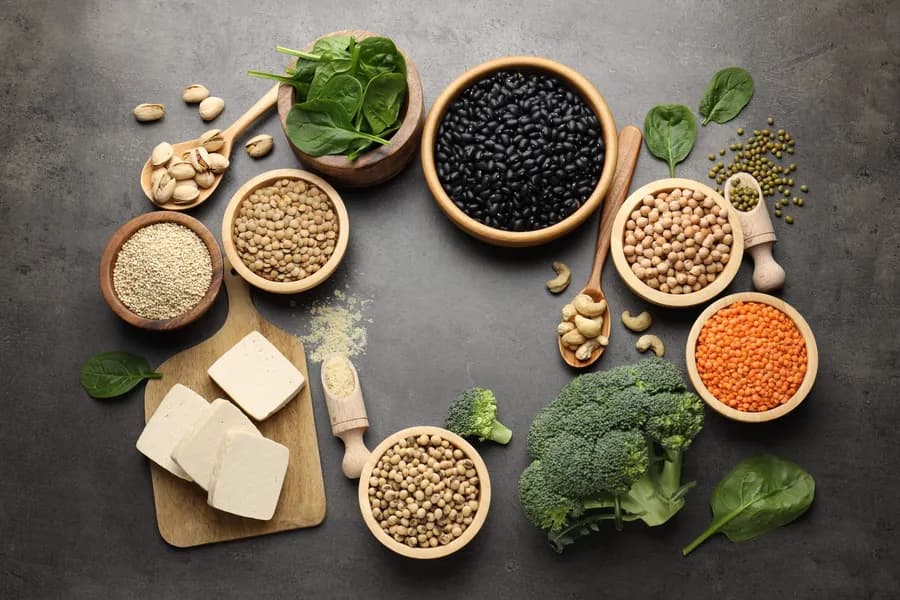
Protein rich vegetarian foods: the perfect plate habit
Learn how protein rich vegetarian foods support energy, strength and fullness. Use the perfect plate habit with greens, grains and protein.

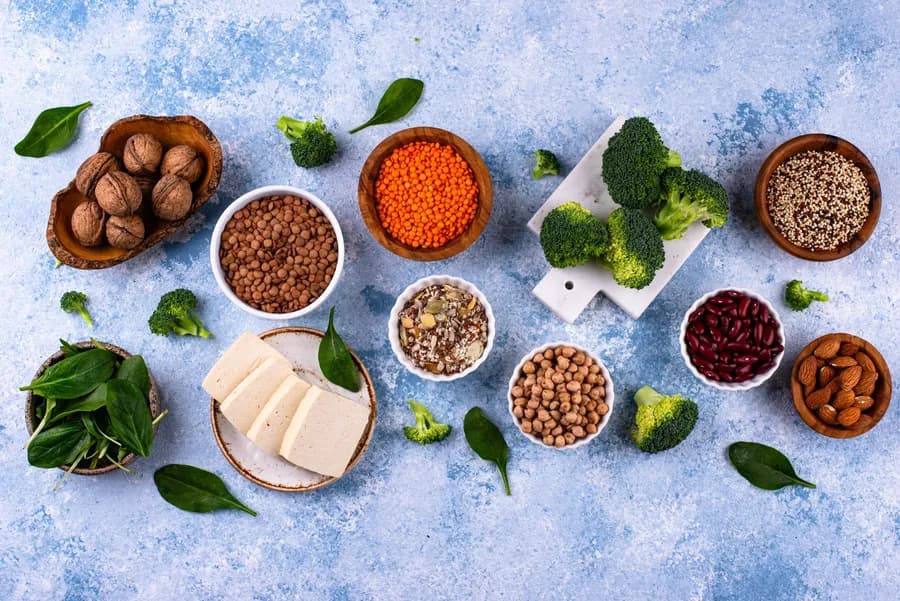
Iron rich foods need protein: 1/4th plate habit
Eating iron rich foods is important, but protein helps your body use iron better. Learn the 1/4th plate protein habit with simple vegetarian foods.
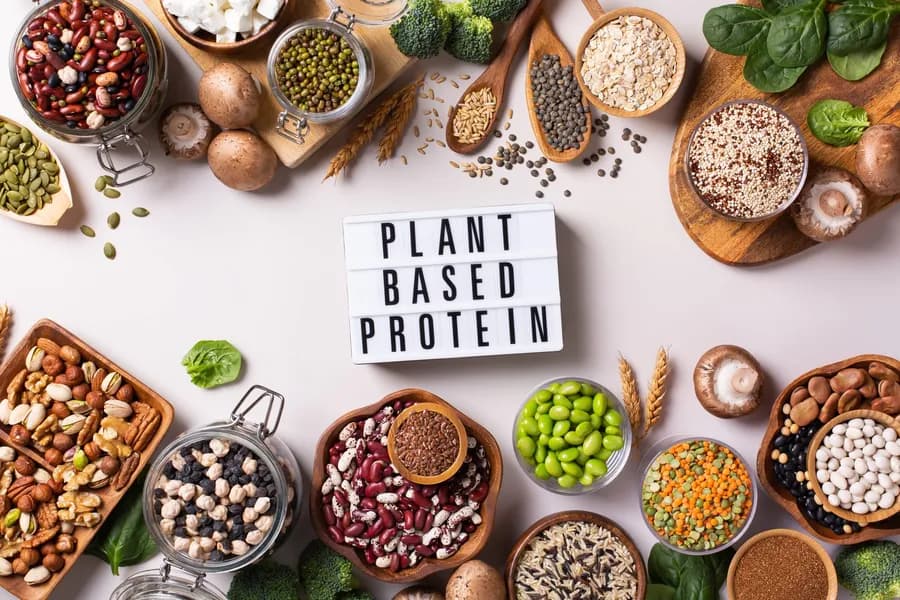
Protein-rich vegetarian foods: 1/4th plate habit
Explore protein, carbohydrates, healthy fats and meal planning for strength training, muscle building and recovery.
