
Amino Acids: Types, Functions, Vegetarian Sources and Safety
Nine amino acids are called essential because the body cannot make enough of them and must get them from food. Learn vegetarian sources.
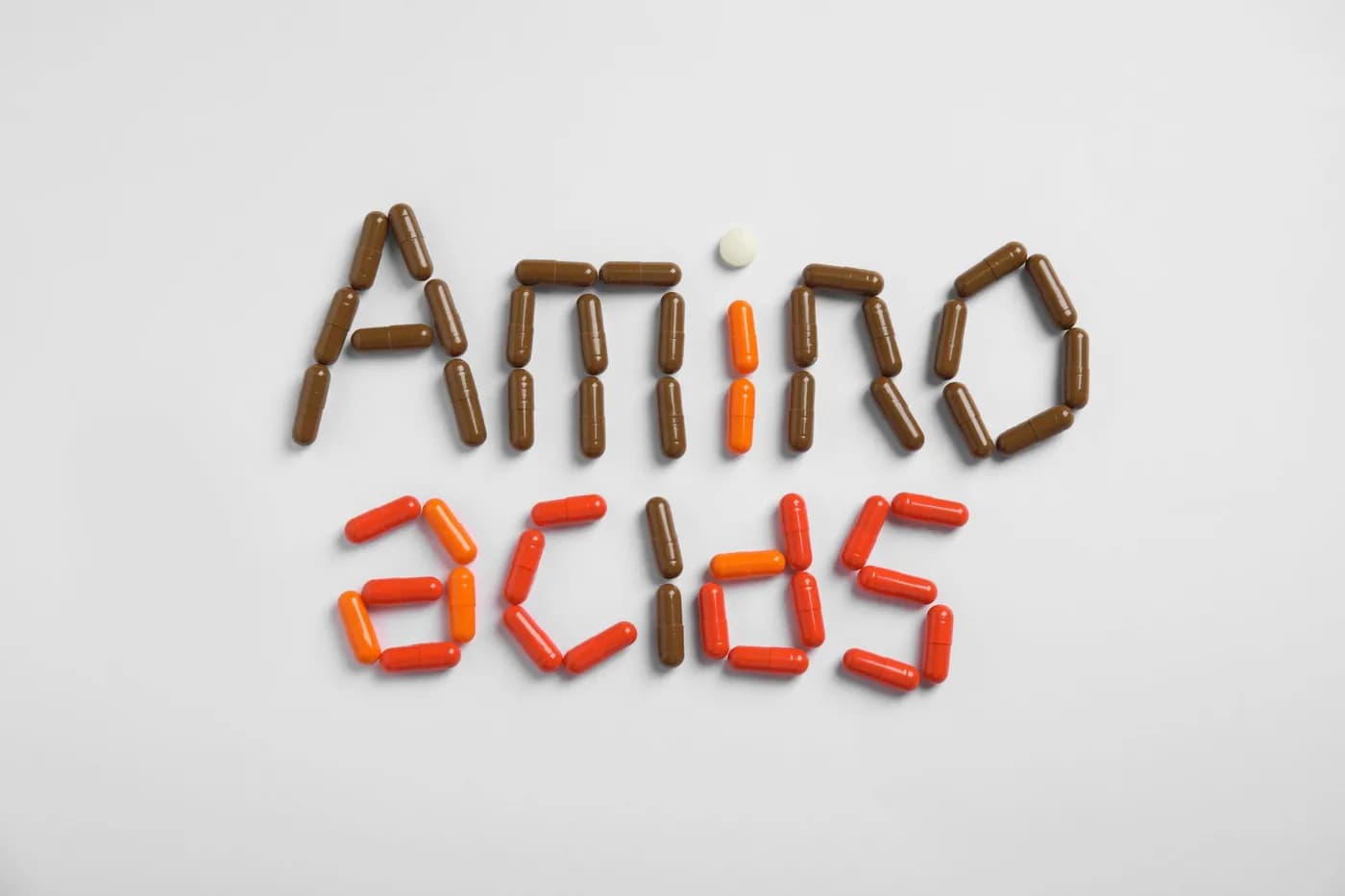
Key Takeaways
- Amino acids are the building blocks of protein.
- Nine are considered essential for adults because the body cannot make enough of them.
- A varied vegetarian diet can provide all essential amino acids.
- Protein sources do not have to be perfectly combined at every meal.
- BCAA and EAA supplements are unnecessary for most people.
- Supplements cannot replace adequate food, exercise and recovery.
- People with kidney, liver or metabolic conditions need individual advice.
Amino acids are small compounds that the body uses to make proteins. They help build and maintain muscles, enzymes, hormones, antibodies, skin and other tissues.
The body can produce some amino acids, while others must come from food. Most people eating enough protein from varied foods do not need a separate amino acid supplement.
What are amino acids?
When we eat protein, the digestive system breaks it into amino acids. The body then uses them to make new proteins and other important compounds.
They are involved in:
- Building and repairing tissues
- Maintaining muscle mass
- Producing enzymes and hormones
- Supporting immune function
- Carrying nutrients and oxygen
- Providing energy when required
- Supporting normal growth and development
Eating more amino acids does not automatically mean the body will build more muscle. Total protein, training, energy intake and sleep also matter.
Essential amino acids
Nine amino acids are considered essential for adults:
- Histidine
- Isoleucine
- Leucine
- Lysine
- Methionine
- Phenylalanine
- Threonine
- Tryptophan
- Valine
The body cannot make enough of these on its own, so they must come from food.
A food does not need to contain an exceptionally high amount of every essential amino acid to be useful. What matters is the overall quality and variety of the diet.
Non-essential and conditionally essential amino acids
Non-essential amino acids are not unimportant. The term simply means that the body can normally make them.
Examples include alanine, asparagine, aspartic acid and glutamic acid.
Some become conditionally essential during particular situations such as severe illness, injury, burns or rapid growth. In these circumstances, the body’s requirements may exceed its ability to produce enough.
People who are critically ill should receive nutrition guidance from their medical team rather than taking supplements independently.
Can vegetarians get all essential amino acids?
Yes. A well-planned vegetarian diet can provide all essential amino acids.
Useful vegetarian protein sources include:
- Dal and other pulses
- Chickpes, rajma and lobia
- Tofu, tempeh and soy chunks
- Milk, curd and paneer
- Peanuts, nuts and seeds
- Besan and sattu
- Whole grains and millets
- Peas and other legumes
Soy foods and dairy provide all essential amino acids in favourable proportions. Pulses, grains, nuts and seeds have different amino-acid profiles, but they complement one another across a varied diet.
Habuild’s protein-rich vegetarian foods guide provides practical Indian meal ideas.
Do plant proteins need to be combined at every meal?
Not necessarily. Earlier advice often suggested that vegetarians must combine specific foods at every meal to create a “complete protein.”
For most healthy adults, eating varied protein sources across the day is sufficient. The body maintains an amino-acid pool that can support protein production between meals.
Traditional combinations remain useful because they improve nutritional variety:
- Dal with rice
- Rajma with rice
- Roti with chana
- Khichdi
- Dosa with sambar
- Hummus with whole-grain roti
- Curd with a grain-based meal
These combinations also provide carbohydrate, fibre, vitamins and minerals.
What are BCAAs?
Branched-chain amino acids, or BCAAs, are leucine, isoleucine and valine. They are popular ingredients in sports supplements.
Leucine plays an important role in signalling muscle-protein production. However, the body still needs all essential amino acids to build complete muscle proteins.
Taking only BCAAs is unlikely to provide additional benefit when a person already eats enough good-quality protein. A balanced meal or complete protein source generally provides a broader amino-acid profile.
What are EAA supplements?
EAA supplements contain all nine essential amino acids. They may be useful in specific clinical or sporting circumstances, but most healthy adults can obtain these nutrients through food.
A supplement may be considered when:
- Protein needs are unusually high
- Appetite is limited
- A medical condition affects food intake
- Training demands are intensive
- A qualified professional recommends it
Supplements are a convenience, not a requirement for fitness or health.
Amino acids and muscle growth
Resistance training provides the main stimulus for muscle growth. Protein supplies the materials needed for repair and adaptation.
For better results, focus on:
- Meeting your total daily protein requirement
- Including protein at multiple meals
- Performing regular resistance exercise
- Eating enough total energy
- Consuming carbohydrates to support training
- Sleeping and recovering adequately
Amino acid supplements cannot compensate for inconsistent training, inadequate food or poor sleep.
Habuild’s everyday diet and nutrition guide can help you build balanced meals around activity.
Amino acids and weight loss
Protein-rich meals may improve fullness and help preserve lean tissue during weight loss.
However, amino acids do not directly burn fat or target the abdomen. Supplements still contribute to the diet and may contain sugar, caffeine or other ingredients.
Sustainable weight management depends on total food intake, movement, sleep, medicines and health conditions.
How much protein do you need?
A healthy adult with low to moderate activity may use approximately 0.8–0.83 grams of protein per kilogram of body weight as a general starting point.
For example, a person weighing 60 kilograms may require around 50 grams daily. Needs may be higher for older adults, athletes, pregnant people or those recovering from illness.
This calculation refers to total protein rather than grams of individual amino acids. Most people do not need to track each one separately.
Possible supplement side effects
Amino acid supplements may cause:
- Nausea
- Bloating
- Stomach discomfort
- Diarrhoea
- Headache
- An unpleasant taste
Products may also contain sweeteners, stimulants or herbal blends. Check the full ingredient list rather than looking only at the amino-acid quantity.
“Natural” and “fitness” labels do not guarantee that a supplement is necessary, effective or free from contaminants.
Medicines and medical conditions
People with kidney or liver disease should not begin high-dose protein or amino acid products without professional guidance.
Certain inherited metabolic conditions affect how the body processes specific amino acids. For example, people with phenylketonuria must carefully control phenylalanine under specialist supervision.
Supplements may also interact with medicines or complicate medical treatment. Tell your clinician about every powder, capsule or sports product you use.
Pregnancy, breastfeeding and children
Normal food sources of protein are important during pregnancy, breastfeeding and childhood. Requirements vary with growth and life stage.
Concentrated amino acid supplements have not been adequately studied for routine use in these groups. They should only be used when a qualified clinician recommends them.
Children and teenagers should not take bodybuilding supplements simply to improve appearance or sports performance.
What amino acids cannot do
Amino acids cannot produce muscle without resistance training, melt body fat or replace balanced meals.
They also cannot cure fatigue, boost immunity on demand or treat a diagnosed deficiency without addressing its cause.
Their essential role is already built into normal nutrition: varied protein foods provide the amino acids the body needs for growth, repair and everyday function.
Sources
Frequently Asked Questions
Related Articles
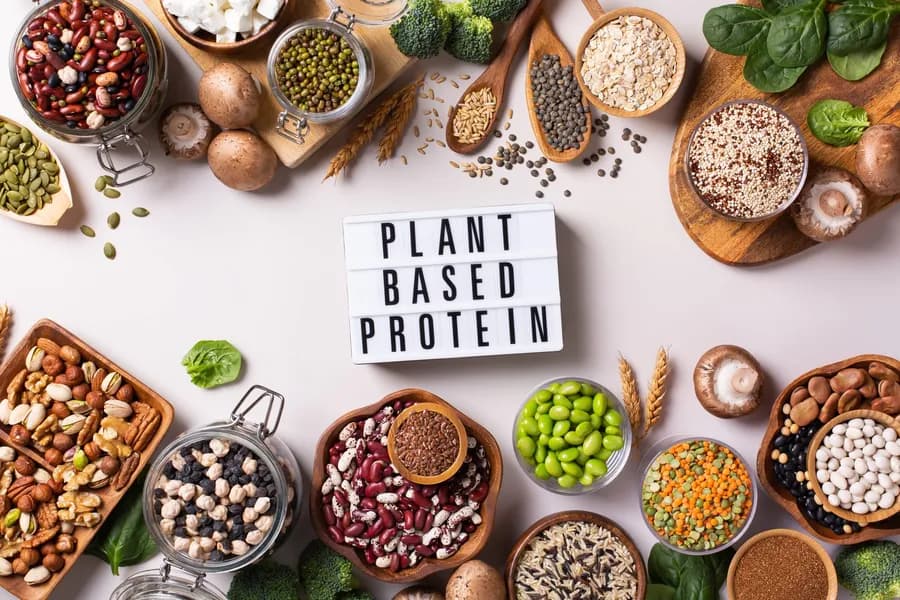
Protein-rich vegetarian foods: 1/4th plate habit
Explore protein, carbohydrates, healthy fats and meal planning for strength training, muscle building and recovery.

Essential Oils for Sleep: What Works and How to Use Them
Not every essential oil marketed for sleep has evidence behind it — lavender does, most others don't. See which oils are worth using, and how to use them safely.