
Essential Oils for Sleep: What Works and How to Use Them
Not every essential oil marketed for sleep has evidence behind it — lavender does, most others don't. See which oils are worth using, and how to use them safely.
Key Takeaways
- Names lavender oil as having by far the strongest research base among sleep-supporting oils.
- Recommends keeping any blend to just 2-3 oils at a low concentration for best effect.
- Recommends a diffuser 30 minutes before bed as the most common, safest method.
- Warns against applying essential oils undiluted directly to the skin.
- Names Vetiver specifically as popular in Indian summers for its cooling, calming scent.
- States essential oils work through scent’s link to the brain, not an absorbed active compound.
Essential oils for sleep are one of the simplest natural additions to a bedtime routine, working mainly through scent’s direct link to the brain’s relaxation response rather than through any active compound absorbed into the bloodstream. They won’t fix a diagnosed sleep disorder, but for everyday restlessness and difficulty winding down, a handful of essential oils for sleep have genuine research behind them.
Which essential oils for sleep actually have evidence behind them
- Lavender oil for sleep — the most studied option; multiple small trials link inhaled lavender to improved sleep quality and reduced time to fall asleep
- Chamomile oil — used for its mild calming effect, similar to chamomile tea but via scent instead of ingestion
- Sandalwood — traditionally used in Indian households for its grounding, calming scent, often diffused or applied to the temples
- Bergamot — shown in some studies to lower heart rate and stress markers when inhaled before bed
- Vetiver (khus) — a cooling, earthy oil used in Ayurveda-adjacent routines, particularly popular in Indian summers for its calming effect
Of these, lavender oil for sleep has by far the strongest research base, so it’s the reasonable first choice if you’re only going to try one.
Restful sleep supported by essential oils for sleep
How to use essential oils for sleep safely
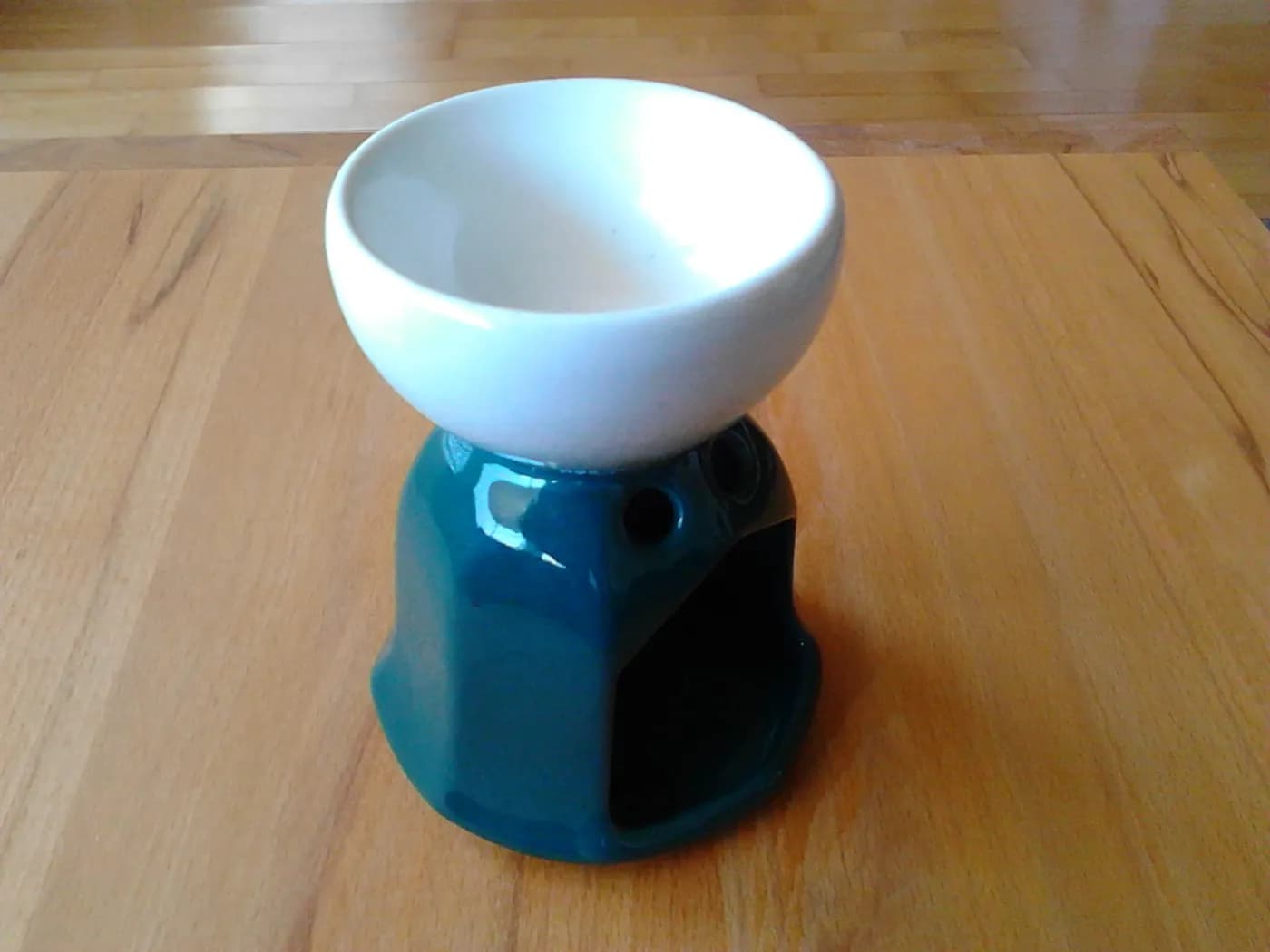
- Diffuser — a few drops in a room diffuser 30 minutes before bed is the most common and safest method
- Pillow spray — mix a few drops with water in a spray bottle and mist your pillow lightly, avoiding direct contact with skin or fabric that touches your face closely
- Diluted topical application — mix with a carrier oil (like coconut or almond oil) before applying to wrists or temples; never apply essential oils undiluted directly to skin
- A drop on a tissue — placed near your pillow rather than on it, for a lighter scent through the night
Blending essential oils for sleep
Single oils work well on their own, but many people find a light blend more effective than any one scent alone, since it can address both a racing mind and physical tension at once:
- Lavender + chamomile — a gentle, broadly calming combination suited to most people, pairing lavender’s sleep-onset benefit with chamomile’s mild anxiety-easing effect
- Sandalwood + vetiver — a grounding, cooling blend especially suited to hot climates or after a physically restless day
- Bergamot + lavender — combines a mood-lifting citrus note with lavender’s more established sedative effect, useful for stress-driven rather than purely physical restlessness
Keep any blend to 2-3 oils maximum and a low overall concentration — more oils or a stronger mix doesn’t produce a stronger calming effect, and can instead overwhelm the sense of smell or trigger irritation.
How essential oils for sleep compare to other bedtime scents
Essential oils for sleep work through a different mechanism than something like scented candles or incense, which often rely on combustion by-products alongside fragrance and can introduce irritants that work against the calming goal, particularly for anyone with respiratory sensitivity. A cold diffuser, which disperses oil through water vapour rather than heat or flame, is generally considered the safest and most consistent way to get the calming scent benefit without added smoke or soot in the bedroom air.
Does it really help, or is it just a placebo?
There’s a real physiological basis here — scent is processed by the brain’s limbic system, the same region involved in emotion and stress response, which is why a calming smell can measurably lower heart rate and cortisol. That said, the effect is mild and works best as one part of a wind-down routine rather than a standalone fix. Pairing essential oils for sleep with a calming practice like meditation for sleep tends to work better than scent alone, since you’re addressing both the environment and the mind at the same time.
Who should be cautious with essential oils for sleep
Pregnant women should check with a doctor before using certain oils, as some (including some concentrations of lavender) are advised against in early pregnancy. Anyone with asthma or a scent sensitivity should test a small amount first, since strong diffused scents can occasionally trigger respiratory irritation instead of calm. Essential oils for sleep should never be ingested, and should always be kept away from pets, since oils like tea tree and lavender can be toxic to cats specifically.
Frequently Asked Questions
Related Articles

Sleeping Mudra: Best Hand Gestures to Fall Asleep Faster
Practice Sleeping Mudra with Habuild. Follow the best sleep hand gesture steps to relieve insomnia, calm the mind, and promote deep restful sleep. Start today!


How to Sleep Better at Night: 8 Proven Habits for Deeper, More Restful Sleep
Sleep quality is highly responsive to a few specific evening habits — no medication, expensive devices, or complicated protocols required. See all 8 proven habits.
