Fennel Seeds: Uses, Benefits and Safety
Fennel seeds, or saunf, have a sweet, anise-like flavour used in cooking, tea and after-meal mixes. Learn their real benefits and safety.
Key Takeaways
- Fennel seeds add flavour and contain fibre and plant compounds.
- Evidence for treating gas, weight or hormonal conditions is limited.
- Sugary mukhwas is not nutritionally the same as plain saunf.
- Essential oil and concentrated extracts need more caution than food use.
- Allergy is possible, especially in people sensitive to related plants.
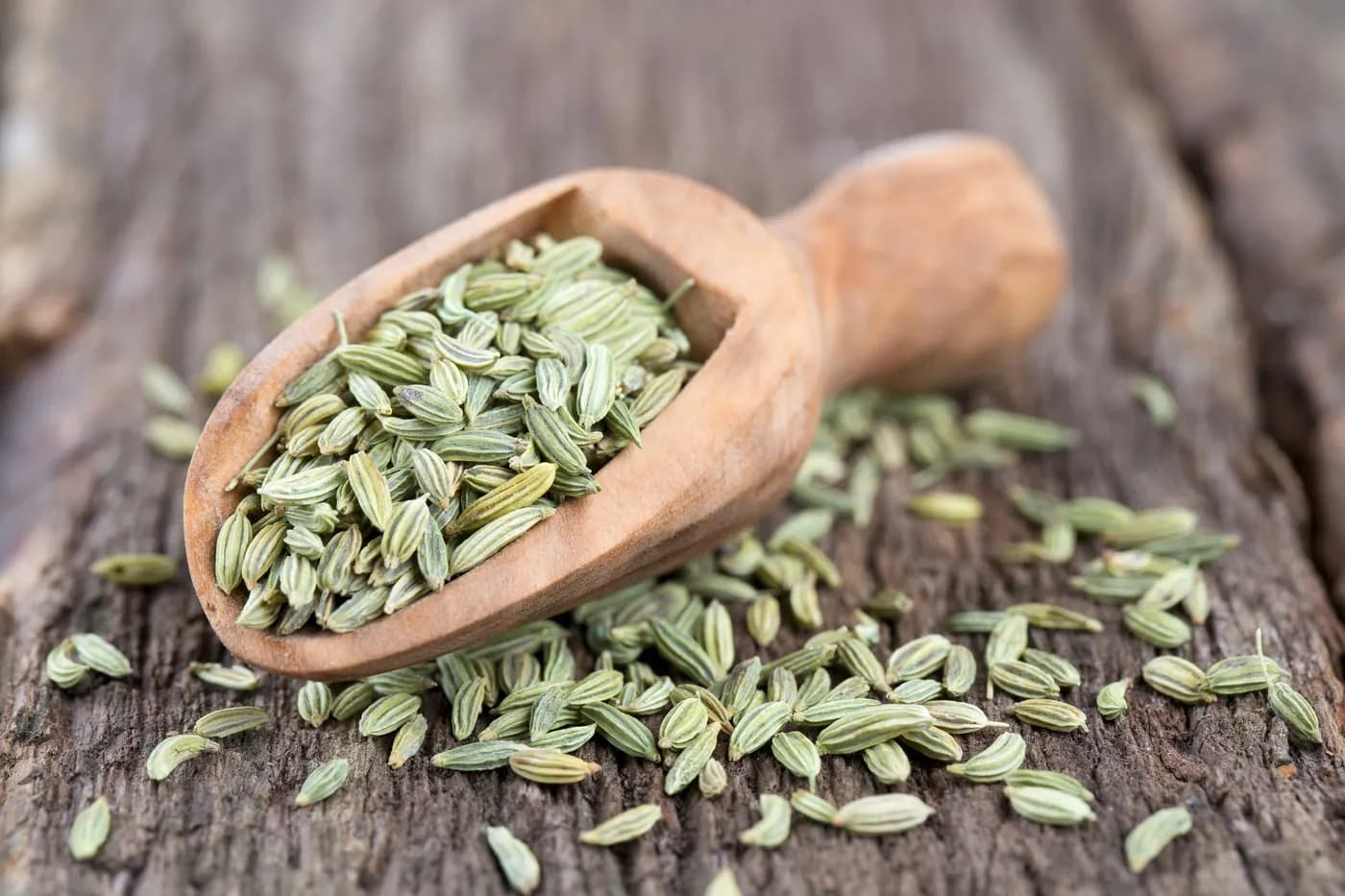
Fennel seeds, or saunf, have a sweet, anise-like flavour and are common in Indian cooking, tea and after-meal mixes. They can add aroma with little quantity, but claims about digestion, hormones and weight loss often go beyond available research.
Realistic fennel seeds benefits begin with their culinary role. Plain saunf is different from sugar-coated mukhwas, concentrated essential oil or a high-dose capsule. Form and amount matter when judging both usefulness and safety.
Fennel seeds nutrition in perspective
The dried seeds contain fibre, small amounts of minerals and aromatic plant compounds. However, a normal culinary pinch is too small to serve as a major source of iron, calcium or other nutrients. Use saunf for flavour while relying on vegetables, fruit, dals, whole grains, nuts and seeds for the broader diet.
Fennel seeds nutrition also changes with the product. A spoonful of colourful mukhwas may include sugar, artificial colour, salt or other ingredients. Read the label rather than assuming every after-meal mix offers the same value.
Habuild’s everyday diet and nutrition guide can help place small flavouring ingredients within a balanced vegetarian meal.
Possible fennel seeds benefits
Digestion and bloating
Saunf is traditionally chewed after meals, and some people find its aroma soothing. Laboratory and small clinical studies have explored antispasmodic effects, but evidence is not strong enough to promise that it treats chronic bloating, reflux, constipation or irritable bowel syndrome.
Gas can be influenced by meal size, eating speed, fibre changes, lactose intolerance, constipation and medical conditions. If symptoms persist, identify the cause rather than masking them with tea. Severe pain, vomiting, blood in stool or unexplained weight loss needs medical assessment.
For constipation, the tiny fibre contribution from a pinch is unlikely to be enough by itself. Habuild’s high-fibre foods guide offers more substantial vegetarian sources.
Breath freshness
Chewing plain seeds may temporarily freshen breath because of their aroma and increased saliva. It does not treat gum disease, tooth decay or the cause of persistent bad breath. Regular brushing, tongue cleaning, dental care and hydration remain important.
Sugar-coated mukhwas used repeatedly may expose teeth to added sugar. Plain saunf is a simpler option if you enjoy the habit.
Menstrual symptoms and hormones
Small studies have examined fennel preparations for menstrual cramps, but products and doses differ and evidence remains limited. Concentrated preparations may have hormone-like activity, so they should not be used casually for “hormone balance.”
Severe menstrual pain, very heavy bleeding, faintness or symptoms affecting daily life need clinical assessment. Fennel seeds should not replace treatment for endometriosis, fibroids or another diagnosed condition.
Weight loss and “detox”
Fennel water does not melt belly fat or cleanse the liver. Unsweetened tea may replace a sugary drink, but the benefit comes from the substitution rather than a special fat-burning property.
Body weight is influenced by the full eating pattern, activity, sleep, medicines and health conditions. Avoid products promising rapid results or appetite suppression.
How to use fennel seeds
Small quantities can add a distinct flavour to vegetarian meals:
- Toast a pinch and add it to dal or vegetable tadka.
- Crush it into atta for savoury parathas.
- Add it to cabbage, potato or pumpkin dishes.
- Use it with cumin and coriander in a homemade spice blend.
- Brew unsweetened saunf tea after a meal if it feels comfortable.
- Chew a small pinch plain instead of sugar-coated mukhwas.
- Add ground seed to homemade pickles in a recipe-tested quantity.
- Combine it with ginger or cardamom for aroma, not treatment.
If you are learning how to use fennel seeds, begin with food rather than oil or supplements. A culinary amount is easier to control and more consistent with traditional meal use.
Fennel tea and fennel water
To make a mild tea, lightly crush a small pinch, steep it in hot water and strain. Avoid adding large amounts of sugar. There is no need to boil it for hours or drink several litres.
Tea provides flavour and fluid, but it does not deliver the same fibre as eating the seeds. It is also not a replacement for meals, medicines or normal hydration. Stop if it causes reflux, nausea or an allergic symptom.
Portion and timing
There is no established daily dose for general wellness. A small culinary pinch or modest after-meal amount may suit many adults, but more is not necessarily better. The amount used in research cannot be assumed safe or effective for every product.
Timing has no proven special effect. Use saunf when it fits the recipe or when you enjoy it after a meal. Taking it on an empty stomach does not create additional fennel seeds benefits.
Children need much smaller, age-appropriate amounts, and loose whole seeds may be a choking risk for young children. Do not give essential oil or concentrated remedies without paediatric advice.
Safety and medicine considerations
Food-level use is generally tolerated by many people, but allergy can occur. Fennel belongs to the Apiaceae family, which also includes celery, carrot, coriander and related plants. Cross-reactions are possible in sensitive individuals.
Seek urgent help for breathing trouble, facial swelling, faintness or widespread hives. Stop use for persistent mouth itching, rash or digestive discomfort.
Concentrated products require extra caution because they may deliver much larger amounts of active compounds. Ask a clinician before using oils, extracts or supplements if you:
- Are pregnant or breastfeeding.
- Have a hormone-sensitive condition.
- Take regular medicines, including anticoagulants.
- Are preparing for surgery.
- Have a seizure disorder.
- Have a known allergy to related plants.
Essential oil should not be swallowed casually or applied undiluted to the skin. “Natural” oils can cause irritation, toxicity or interactions.
Buying and storage
Choose seeds that smell fresh and aromatic, without moisture, insects or mould. Store them in an airtight container away from heat and sunlight. Ground powder loses aroma faster, so buy smaller quantities.
Check packaged mukhwas for added sugar, colour and sodium. A decorative label or digestive claim does not replace the ingredient list.
A simple habit to try
Keep a small jar of plain seeds near your spice box and use a measured pinch in one weekly vegetable dish. If you chew saunf after meals, compare plain seeds with sweetened mukhwas. Keep the habit only if it improves taste or convenience without causing symptoms.
Editorial sources
Frequently Asked Questions
Related Articles
Healthy fats: why your body needs fat
Healthy fats help your body absorb vitamins and support brain, hormones, joints, cells and daily meals. Learn simple vegetarian sources and habits.

Good fats vs bad fats: choose fats wisely
Understand good fats vs bad fats in simple words. Learn which vegetarian fats to choose, what to reduce and how to read food labels better.