
Fenugreek Seeds Benefits: Uses, Evidence and Safety
Fenugreek, or methi, is used as leaves, seeds and supplements, each adding flavour, fibre and variety. Learn its real evidence and safety.
Key Takeaways
- Fenugreek leaves and seeds can fit a varied vegetarian diet.
- Seeds contain fibre and have a strong, slightly bitter flavour.
- Evidence for blood sugar and other uses remains mixed.
- Supplements may interact with medicines and cause digestive symptoms.
- Medicinal amounts are not advised during pregnancy without supervision.
Fenugreek, or methi, is used in Indian cooking as fresh leaves, dried kasuri methi and seeds. The food forms add flavour, fibre and variety, while capsules and extracts may provide much larger amounts.
Research on fenugreek seeds benefits includes blood sugar and breastfeeding. Results cannot replace medical care, and extracts require more caution than culinary portions.
What is fenugreek?
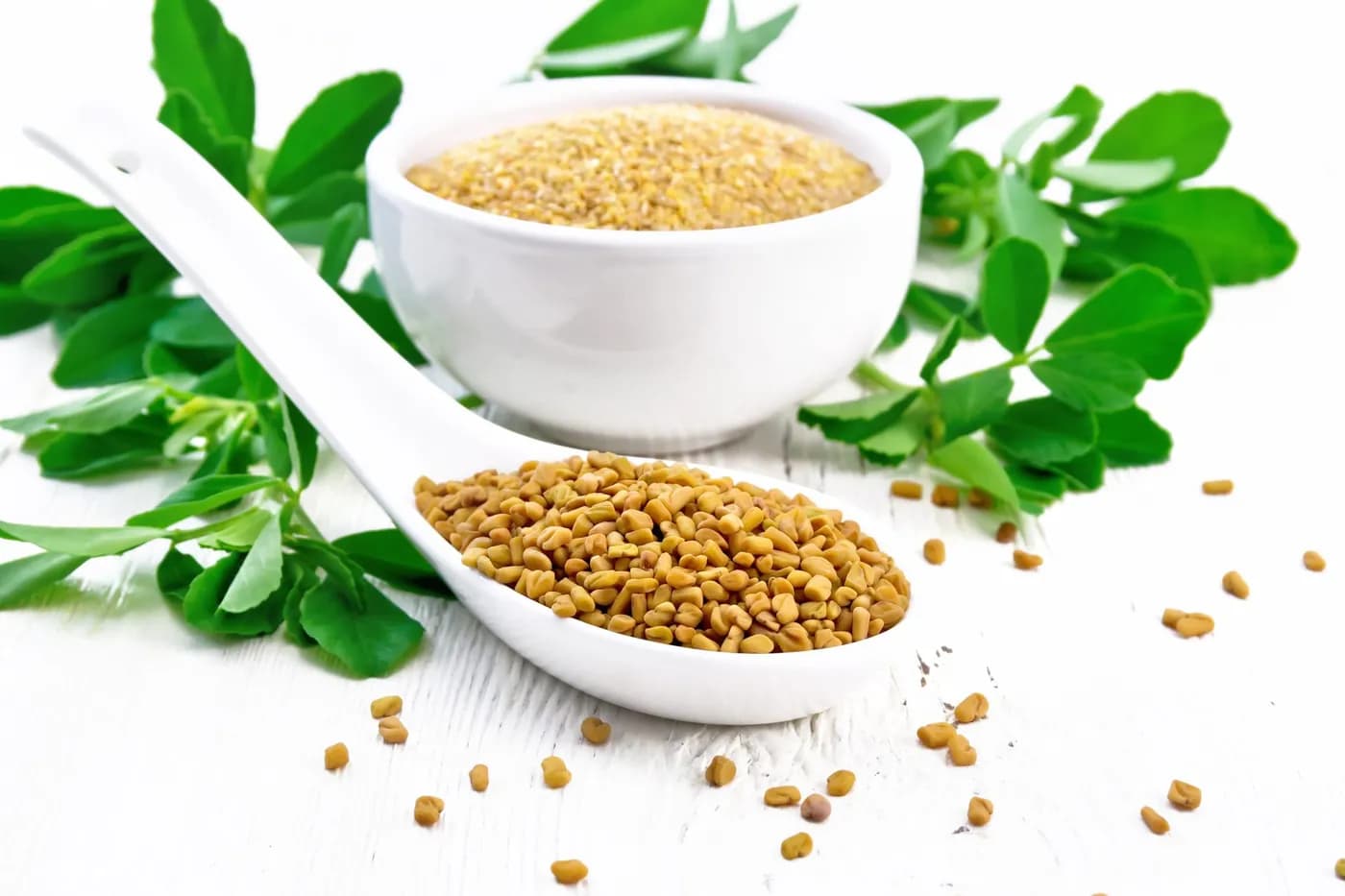
Fenugreek is a plant whose leaves and seeds are edible. Fresh methi leaves are cooked as a vegetable or added to dough. Dried leaves provide aroma, while the hard yellow-brown seeds are used in spice blends, pickles and tadka.
Fenugreek powder, capsules and extracts are also sold. A culinary amount differs from a supplement supplying several grams or a concentrated extract.
Fenugreek seeds nutrition and fenugreek seeds benefits
The seeds provide carbohydrate, fibre, protein, fat and minerals such as iron and magnesium. However, normal spice portions are small, so they cannot supply an adult’s complete protein, iron or magnesium needs.
Fenugreek seeds nutrition also includes soluble fibre that becomes gel-like when mixed with water. This can affect digestion and may influence how quickly other substances are absorbed.
Methi leaves contain more water and are eaten as a vegetable. Supplement claims should not be transferred to methi sabzi.
Possible fenugreek seeds benefits
Fenugreek seeds benefits and blood sugar
Some studies suggest fenugreek preparations may reduce fasting blood glucose in people with diabetes. However, trials use different powders, extracts, doses and durations, and the overall evidence has limitations.
Fenugreek seeds benefits do not justify stopping diabetes medicine or changing its dose. Combining a supplement with treatment may lower glucose too much. Anyone with diabetes should monitor readings as advised and discuss regular use with a clinician.
Fenugreek seeds benefits for digestion
The fibre in the seeds can add bulk and absorb water. Small food portions may fit a fibre-rich diet, but larger amounts can cause gas, diarrhoea, nausea or abdominal discomfort.
Start modestly and drink enough fluid. Habuild’s high-fibre foods guide explains how to increase fibre gradually through vegetables, fruit, pulses and whole grains.
Fenugreek should not be treated as a guaranteed constipation cure. Persistent constipation, bleeding, severe pain or unexplained weight loss needs medical assessment.
Fenugreek seeds benefits and cholesterol
Research has explored whether seed powders or extracts affect cholesterol and triglycerides. Some results appear favourable, but studies differ and do not prove that an ordinary spice portion prevents heart disease.
The realistic fenugreek seeds benefits should be considered alongside the complete eating pattern, activity, smoking, sleep, medicines and blood-pressure care.
Fenugreek seeds benefits and milk supply
Fenugreek is promoted as a galactagogue, meaning a substance used to increase milk production. Evidence is mixed, and low supply can have many causes, including ineffective milk transfer, feeding frequency, illness or hormonal factors.
A supplement cannot replace checking feeding technique, infant weight and maternal health. Fenugreek may cause side effects, so discuss concerns with a lactation professional or clinician.
Fenugreek seeds benefits and testosterone claims
Some supplements are marketed for testosterone, exercise performance or sexual function. Studies often use proprietary extracts and small groups, so the findings cannot be applied to ordinary fenugreek seeds or every commercial product.
Fenugreek seeds benefits do not include a guaranteed rise in testosterone or muscle gain. Training, adequate food, sleep and medical assessment remain more relevant.
How to use fenugreek seeds in food
The seeds are naturally bitter, so small amounts work best:
- Add a pinch to tadka with other spices.
- Use a measured amount in pickles prepared safely.
- Soak seeds before adding them to selected dishes.
- Grind a small quantity into a spice mixture.
- Add fresh methi leaves to dal, sabzi or atta.
- Use kasuri methi for aroma near the end of cooking.
Soaking can soften the seeds and reduce some bitterness, but the soaking water is not a detox drink. There is no need to consume large quantities on an empty stomach to receive fenugreek seeds benefits.
Habuild’s everyday diet and nutrition guide can help fit fenugreek seeds into balanced meals.
What about sprouted fenugreek?
Fenugreek seeds can be sprouted, but warm, moist conditions also allow bacteria to grow.
Use clean equipment and potable water, refrigerate sprouts promptly and discard any with slime or an unusual smell. Cooking reduces microbial risk. Pregnant people, young children, older adults and anyone with weakened immunity should avoid raw sprouts unless their clinician advises otherwise.
Food portions versus supplements
There is no compulsory daily serving of fenugreek seeds. Culinary recipes usually use a pinch or teaspoon across several portions. Begin with less if the flavour or fibre is new to you.
Supplements deliver larger amounts. Quality varies, and “natural” does not mean free from side effects.
Avoid stacking several products that contain methi. More does not increase fenugreek seeds benefits and may increase digestive symptoms or interactions.
Side effects and medicine interactions
Fenugreek may cause gas, diarrhoea, nausea and a maple-syrup-like smell in sweat or urine. It can lower blood sugar and may add to the effect of diabetes medicines.
It may also affect blood clotting. Seek advice before supplement use if you take anticoagulant or antiplatelet medicines, use diabetes treatment or are preparing for surgery.
Because the fibre can affect absorption, separate a concentrated seed product from regular medicines only according to advice from a pharmacist or clinician.
Pregnancy, breastfeeding and children
Amounts normally used to flavour food are different from medicinal doses. Concentrated fenugreek is not advised during pregnancy without clinical supervision because of concerns about uterine effects and limited safety information.
Breastfeeding people should not assume that a supplement is necessary or harmless. Infants and children should not receive concentrated products unless a paediatric professional recommends them.
Allergy precautions
Fenugreek belongs to the legume family. Cross-reactions may occur in people allergic to peanuts, chickpeas or other legumes, although not everyone with one allergy will react.
Stop use and seek urgent help for breathing trouble, facial or throat swelling, faintness or widespread hives. Do not test a suspected allergy at home.
What fenugreek seeds benefits cannot do
Fenugreek cannot cure diabetes, guarantee milk supply, raise testosterone on demand, detoxify the body or produce weight loss by itself. Fenugreek seeds benefits remain uncertain for many supplement claims.
Its most dependable role is culinary: methi adds a distinctive flavour and another plant food to vegetarian meals. Medical problems still require appropriate testing and care.
Sources
Frequently Asked Questions
Related Articles
Healthy fats: why your body needs fat
Healthy fats help your body absorb vitamins and support brain, hormones, joints, cells and daily meals. Learn simple vegetarian sources and habits.

Good fats vs bad fats: choose fats wisely
Understand good fats vs bad fats in simple words. Learn which vegetarian fats to choose, what to reduce and how to read food labels better.
