
Fibre roti recipe: add vegetables to your atta
Adding grated vegetables into your regular atta turns an everyday roti into a fibre-rich one, with no extra effort. See the full recipe.
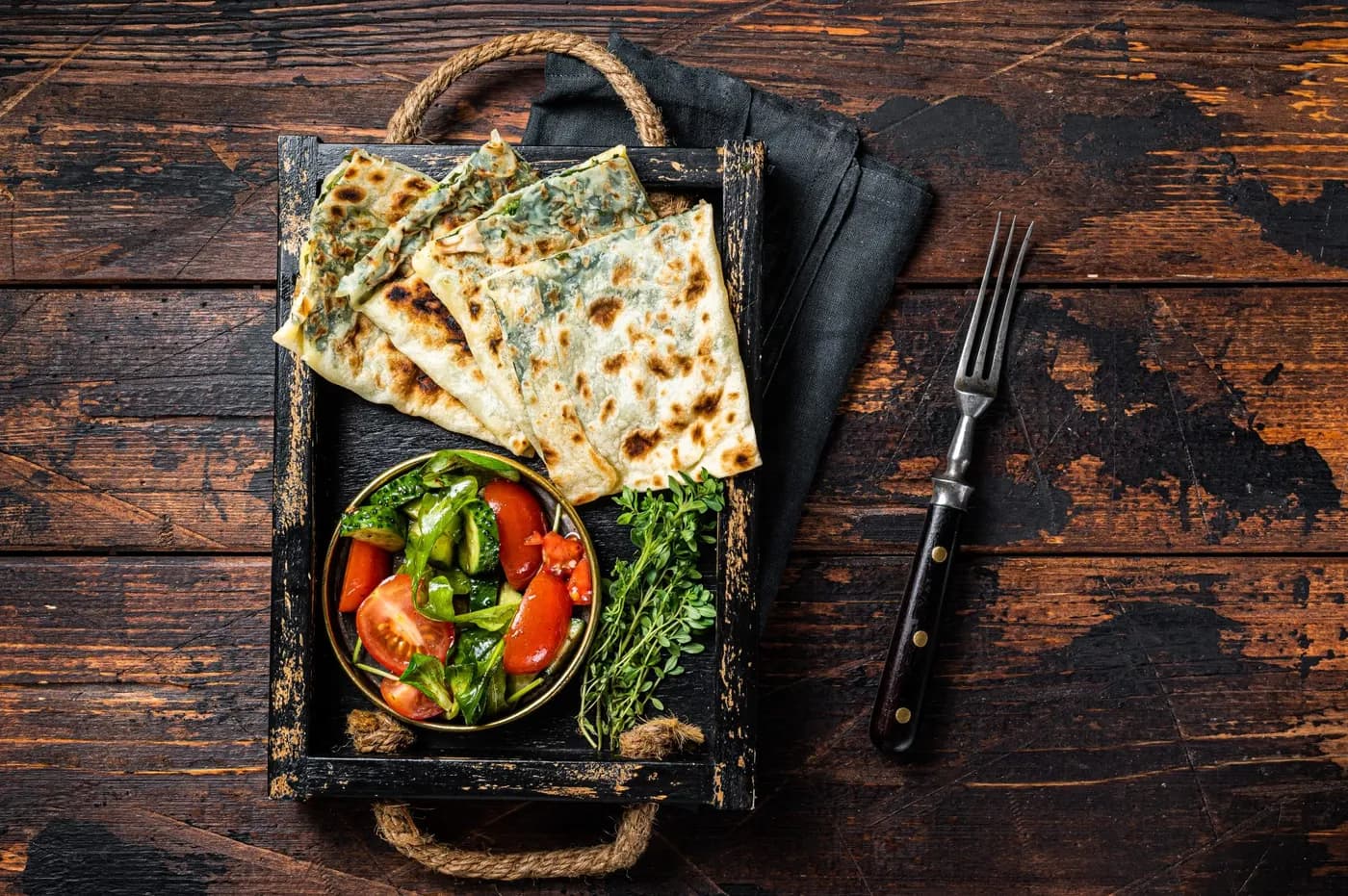
Key Takeaways
- Adds grated vegetables and seeds directly into the dough instead of a separate side dish.
- Combines whole wheat atta with grated carrot or lauki, spinach or methi, and seeds.
- Rest the dough for 10 minutes before rolling for an easier, softer roti.
- Improves a food most people already eat rather than adding something new.
- Serve warm with curd, dal, or sabji as part of the regular meal.
Fibre roti recipe is a simple vegetarian recipe that fits easily into Indian meals. It is light enough for daily eating, but still useful because it adds fibre, colour and texture to the plate. The ingredients are familiar, and the method does not need complicated cooking.
This recipe is made for real routines. You can prepare it for lunch, an evening snack or a simple side dish depending on the recipe. The aim is to make healthier eating feel normal, not like a separate diet.
Use the quantities as a starting point and adjust them based on hunger, age and digestion. Keep salt moderate, use lemon and herbs for taste, and choose fresh ingredients whenever possible.
Why this recipe works
Fibre roti works because it improves a food most people already eat. Instead of adding a separate dish, you add grated vegetables and seeds directly to the dough.
Indian dietary guidance encourages meals with variety, including vegetables, pulses, cereals or millets, curd, nuts and seeds in suitable portions. A recipe like this helps because it adds one useful part to the plate without making lunch or breakfast complicated. Source: NIN dietary guidance
The biggest advantage is repeatability. A recipe that takes less effort has a better chance of becoming a habit. This is especially useful for busy mornings, school tiffins, work lunches and evening snack time when people usually reach for biscuits or fried snacks.
Another reason this recipe works is portion control. A fresh homemade bowl gives taste, texture and colour, but it also reminds you to pause and eat slowly. That simple pause can stop a snack from turning into a heavy meal.
Best time to eat it
- Use it as a lunch side when the main meal is heavy.
- Use it as an evening snack when you want something light.
- Use it with roti, rice, dal, khichdi or curd depending on the recipe.
Ingredients
This recipe makes about serves 2.
Use fresh ingredients and keep everything ready before mixing. For salads, add salt and lemon close to serving time so the vegetables stay crisp. For cooked recipes, cook until soft but avoid overcooking vegetables. Wash vegetables well, drain boiled pulses properly and keep herbs fresh. These small steps improve taste and also make the final dish feel cleaner and lighter.
Main ingredients
- 1 cup whole wheat atta
- 1/2 cup grated carrot or lauki
- 2 tbsp chopped spinach or methi
- 1 tsp sesame seeds or flaxseed powder
- Salt to taste
- Water as needed
Optional additions
- Roasted cumin powder
- Fresh coriander
- Lemon juice
- Black pepper
- A small pinch of chaat masala
How to make it
Follow the steps in order. Keep the Fibre roti recipe simple the first time. Once you know the basic taste, you can adjust spice, lemon, herbs and texture.
Method
- Mix atta, vegetables, seeds and salt in a bowl.
- Add water slowly and knead into a soft dough.
- Rest the dough for 10 minutes.
- Roll into rotis using dry flour as needed.
- Cook on a hot tawa on both sides.
- Serve warm with curd, dal or sabji.
How to serve it
This recipe should support the meal, not replace every part of the meal. If it is a salad, pair it with dal-rice, roti-sabji, khichdi or curd. If it is a cooked recipe, add salad or curd on the side.
For a snack, keep the portion moderate. A healthy snack should not become a full meal unless you plan it that way. Eat slowly and notice if you are satisfied before taking more.
If you are serving this with lunch, use it to improve the plate instead of adding too many side dishes. For example, a simple dal-rice meal becomes more colourful with a fresh salad. A roti-sabji meal becomes more filling when the side dish has pulses, curd, peanuts or sprouts.
For children or older family members, adjust texture first. Chop vegetables smaller, keep spices mild and avoid hard nuts if chewing is difficult. The same recipe can suit the whole family with small changes.
Good pairings
- Curd and pickle in small quantity
- Dal and sabji
- Paneer bhurji
- Sprouts salad
- Vegetable raita
Tips, variations and storage
Small changes can make the same Fibre roti recipe feel new. Keep the base same and adjust one ingredient at a time. This helps you avoid boredom without making the recipe complicated.
For salads, mix just before eating. For cooked recipes, store in an airtight container and reheat gently. Avoid keeping cut vegetables open for too long, especially in warm weather.
If digestion is sensitive, start with a smaller serving. Steam sprouts, cook pulses well and use lemon or roasted cumin for a lighter taste. The idea is to make the recipe comfortable, not force a big portion on day one.
You can also use this recipe as a meal-prep base. Keep boiled pulses, chopped vegetables and roasted peanuts separately. Mix only what you need. This keeps the taste fresh and prevents the salad from becoming watery.
Easy variations
- Add roasted peanuts for crunch.
- Add lemon for freshness.
- Add grated carrot or cucumber for fibre.
- Add curd for a cooling version.
- Add coriander or mint for flavour.
Remember
Fibre roti recipe is useful because it is simple. It gives you one easy way to improve your plate without buying special ingredients.
The best version is the one you will actually make. Keep it fresh, keep it balanced and keep it repeatable.
Frequently Asked Questions
Related Articles
Veg Daliya Recipe: A Simple High-Fibre Meal
Veg daliya recipe made with broken wheat or millet daliya, mixed vegetables, jeera and ghee. A simple high-fibre meal for breakfast or lunch.

Healthy fats: why your body needs fat
Healthy fats help your body absorb vitamins and support brain, hormones, joints, cells and daily meals. Learn simple vegetarian sources and habits.