
Foods to Avoid for Uric Acid: A Practical Gout-Friendly Diet Guide
Certain foods are high in purines, which break down into uric acid — cutting back on them alongside staying hydrated can meaningfully reduce flare-ups..
Key Takeaways
- Beer raises uric acid and also reduces the body’s ability to excrete it.
- Sugary drinks high in fructose raise uric acid even without being high in purines.
- Tart cherries and cherry juice have been linked to lower uric acid and fewer flares.
- Crash dieting or long fasting can actually spike uric acid rather than lower it.
- 8-10 glasses of water daily helps the kidneys flush out excess uric acid.
Knowing the foods to avoid for uric acid can make a real difference if you deal with high uric acid levels or gout flare-ups. Certain foods are high in purines, compounds that break down into uric acid, and cutting back on them alongside staying hydrated can meaningfully reduce painful flare-ups over time.
Foods to Avoid for Uric Acid
These are the biggest offenders when it comes to raising uric acid levels:
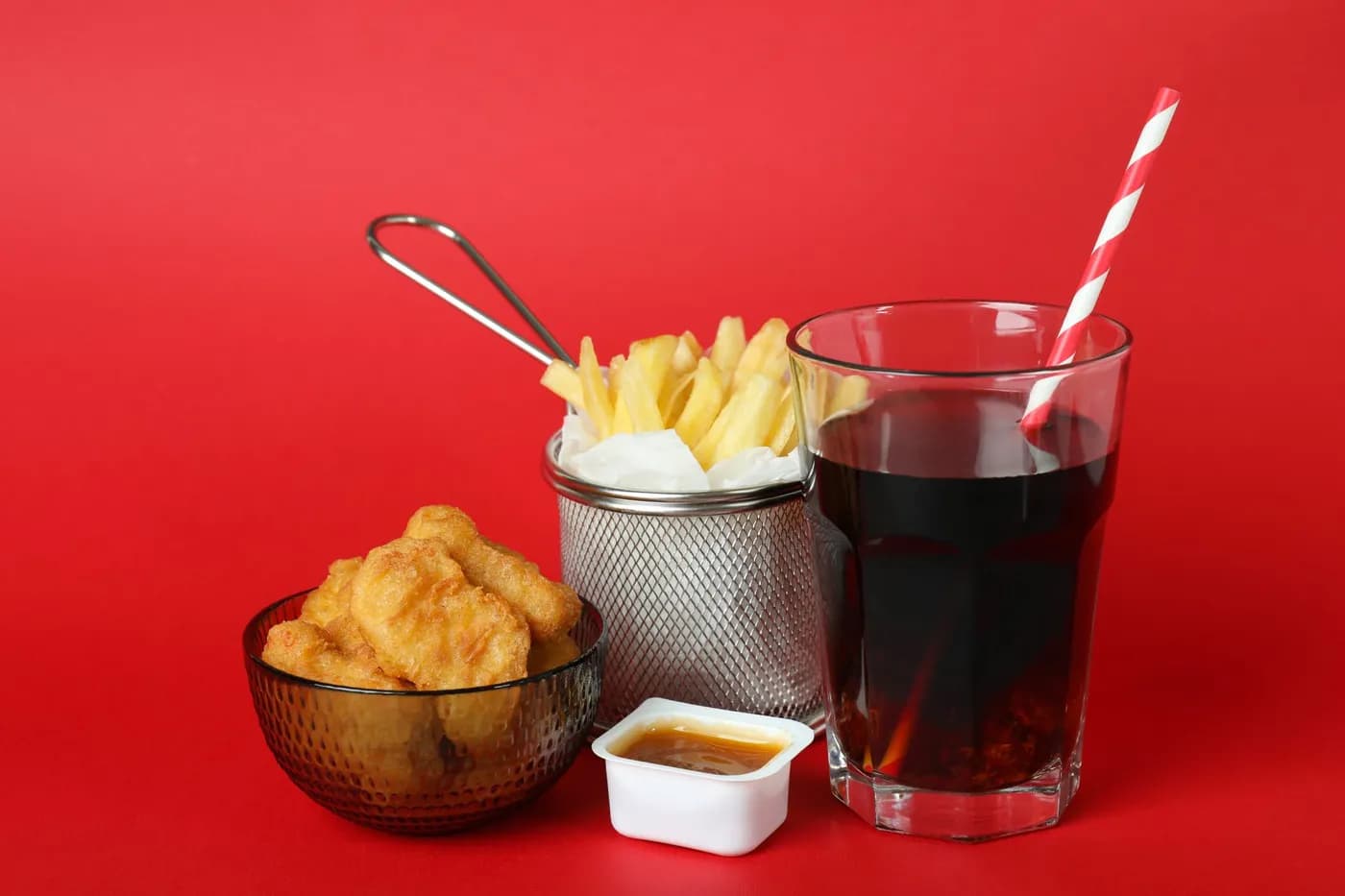
- Alcohol — beer especially raises uric acid and also reduces the body’s ability to excrete it; spirits should also be limited
- Sugary drinks — sodas and fruit juices high in fructose increase uric acid production, even though they aren’t high in purines directly
- Fried and processed snacks — regularly eaten fried food and packaged snacks are linked to higher uric acid, largely through their effect on weight and inflammation
- Rich, cream-heavy dishes — restaurant-style paneer and cheese preparations loaded with butter or cream are easy to overdo and work against uric acid control
- Yeast extracts and heavy gravies — some packaged stocks, yeast-based spreads, and rich restaurant-style gravies are often-overlooked purine sources
These are the categories worth watching most closely if you’re building your own list of foods to avoid for uric acid.
What Actually Helps Lower Uric Acid
Alongside avoiding trigger foods, these habits genuinely help bring uric acid down:
- Hydration — drinking 8-10 glasses of water daily helps the kidneys flush out excess uric acid
- Low-purine foods — vegetables, whole grains, low-fat dairy, and most fruits are safe and should form the bulk of your diet
- Cherries — tart cherries and cherry juice have been linked in studies to lower uric acid levels and fewer gout flares
- Vitamin C-rich foods — amla, citrus fruits, and bell peppers may modestly help lower uric acid over time
- Weight management — gradual, steady weight loss (not crash dieting) reduces strain on joints and lowers uric acid production
Pairing these habits with the foods to avoid for uric acid list above tends to work better than focusing on just one side of the equation.
Building a Day Around the Foods to Avoid for Uric Acid List
A realistic day that avoids high-risk foods for uric acid could include vegetable dalia or poha for breakfast, a dal-roti-vegetable lunch with a side of curd, tart cherries or a citrus fruit as a snack, and a light vegetable or paneer-based dinner. Avoid alcohol and sugary drinks through the day, and keep water intake steady rather than concentrated at one time. Crash dieting or fasting for long stretches can actually spike uric acid, so consistent, moderate meals work better than skipping food. Keeping this daily rhythm consistent is often more useful than memorising every single item on the foods to avoid for uric acid list.
Photo: Roksolana Zasiadko cieloadentro, CC0, via Wikimedia Commons
When to See a Doctor
Even once you know the foods to avoid for uric acid, diet changes alone don’t replace medical treatment if you already have gout or very high uric acid levels. Sudden joint pain, swelling, or redness — especially in the big toe — needs medical attention, and some people require medication alongside dietary changes to keep levels controlled long-term.
High uric acid often travels alongside other metabolic concerns like cholesterol, so if a recent lab report flagged both, the Cholesterol Diet Chart covers a similarly practical, food-first approach for bringing those numbers down too.
Common Mistakes When Following This List
A few habits quietly undo progress even when people know the foods to avoid for uric acid. Over-restricting normal-purine foods like dal, rajma, and spinach is one common overcorrection — these carry moderate purines but are well tolerated by most people and shouldn’t be cut out of fear alone. Relying on herbal supplements or “detox” drinks instead of the basics (hydration, weight management, and avoiding real triggers) rarely moves the needle and can delay proper treatment. Drinking large amounts of fruit juice thinking it’s a “healthy” swap for soda is another frequent trap, since the fructose content can raise uric acid just as much as a sugary soft drink. Skipping medication because diet “feels like enough” is a serious mistake for anyone already diagnosed with gout — the foods to avoid for uric acid list supports treatment, but doesn’t replace prescribed medication when levels are already high.
Myths vs Facts About Uric Acid and Diet
Myth: All vegetarians are automatically safe from high uric acid. Fact: Alcohol, sugary drinks, fried snacks, and rich dairy — all common in a vegetarian diet — can raise uric acid just as much as animal-based purines, which is exactly why the foods to avoid for uric acid list centers on these everyday triggers rather than assuming a vegetarian diet is automatically protective. Myth: Tomatoes and other nightshades must always be avoided. Fact: The evidence linking tomatoes specifically to higher uric acid is weak and inconsistent; most people don’t need to eliminate them unless they personally notice a flare-up pattern. Myth: Uric acid problems only affect older men. Fact: Rising uric acid levels are increasingly seen in younger adults and women, often linked to sugary drinks, alcohol, and weight gain, which makes knowing the foods to avoid for uric acid useful at any age.
Frequently Asked Questions
Related Articles

How to Reduce Uric Acid: Natural Methods, Exercises, and Daily Habits
A purine-rich diet, impaired kidney clearance, and chronic inflammation are the three correctable drivers behind gout and joint pain. See the natural methods, exercises, and daily habits.

Protein rich vegetarian foods: the perfect plate habit
Learn how protein rich vegetarian foods support energy, strength and fullness. Use the perfect plate habit with greens, grains and protein.

Iron rich foods need protein: 1/4th plate habit
Eating iron rich foods is important, but protein helps your body use iron better. Learn the 1/4th plate protein habit with simple vegetarian foods.