
Ginger Tea: Does It Really Help?
Ginger tea is warming, simple to make and may help settle mild nausea, but it is not a cure-all. Here is what is worth knowing before your next cup.
Key Takeaways
- Ginger has been studied most for nausea, including in pregnancy.
- A mild cup made with fresh ginger is simple and caffeine-free.
- Very strong ginger can cause heartburn or stomach upset.
- If you take blood thinners or diabetes medicines, ask a doctor before concentrated ginger.
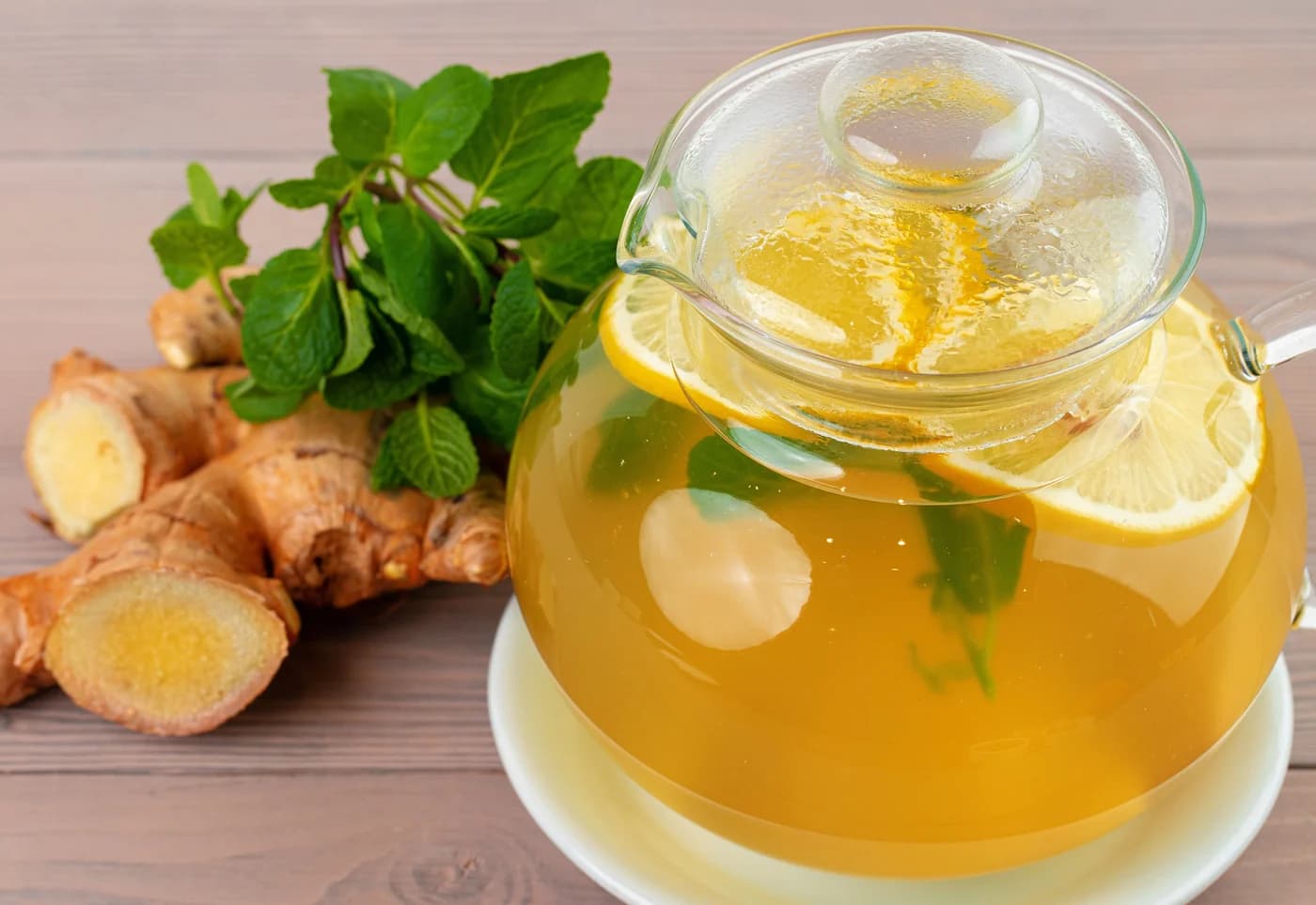
A cup of ginger tea is a favourite in many Indian homes, especially on a rainy evening or when your stomach feels off. It’s warming, simple to make and caffeine-free when it’s made only with ginger. It can help with some things, but it’s not a cure-all. Here’s what’s worth knowing before your next cup.
What it may help with
Ginger has been studied most for nausea, including nausea in pregnancy. Some people find a mild cup settles an uneasy stomach. The results depend on the preparation and the amount, so it doesn’t work the same way for everyone.
The claims you see for weight loss, immunity and “detox” are much weaker. A warm drink can feel soothing when you have a cold, but ginger tea won’t cure an infection, and it isn’t a treatment for reflux or long-term digestive problems. If you’re curious about what actually supports your defences, read our guide on how to increase immunity.
How to make a good cup
You don’t need anything fancy:
- Wash a small piece of fresh ginger and slice it thinly, or crush it lightly.
- Add it to a cup or two of hot water and let it steep, or simmer gently for a few minutes.
- Strain it and sip.
Taste it before adding anything. A squeeze of lemon works well, or a small amount of jaggery or honey if you like it sweeter. Remember that sweeteners count as added sugar, so keep them modest. Our guide on how to control sugar naturally has more on this.
Fresh ginger or tea bags?
Pure fresh ginger tea is usually caffeine-free. Packaged tea bags and blends are another matter, because many include black tea, green tea or other herbs. Always check the label if you want to avoid caffeine or sidestep a particular ingredient.
If you add milk and tea leaves, as in a classic adrak chai, you’re having a different drink, and it does contain caffeine.
How strong is too strong?
Tea strength varies a lot. A few thin slices steeped briefly is mild. A big chunk simmered for a long time is much stronger. There’s no single “right” amount that suits everyone, so start gently and see how you feel.
Ginger supplements and extracts are more concentrated than tea, so don’t treat them as the same thing. If you’re thinking about capsules, talk to a doctor or pharmacist first, especially if you take regular medicines.
Can you drink it every day?
Many adults do well with a modest cup now and then, or daily. But more isn’t better. Large amounts can cause heartburn, mouth irritation or loose stools. If you notice any of these, cut back or stop for a while.
Because ginger can be spicy and warming, people who already get acidity often feel it more. If that sounds like you, try a weaker brew, have it after food instead of on an empty stomach, and see whether it helps. Notice your own pattern before blaming ginger or praising it.
Who should be careful
Ginger may affect bleeding and blood sugar, so check with your doctor before using concentrated ginger in these situations:
- You take blood thinners (anticoagulants).
- You use diabetes medicines.
- You have surgery coming up.
- You’re pregnant. Ginger has evidence for nausea, but the right amount and your personal risks are best discussed with a doctor.
A cup of mild tea in a meal is very different from large daily doses, but it’s still worth mentioning to your doctor if you have a condition or take regular medicines.
Pregnancy and nausea
Ginger is one of the better-studied options for pregnancy-related nausea, which is why so many people try it. But pregnancy is a time to check before using any herbal product regularly. Talk to your doctor or midwife about what suits you, and don’t assume that “natural” automatically means “safe in any amount”.
What ginger tea can’t do
It can’t cure a cold, flush out toxins or melt belly fat. Your liver and kidneys already handle the body’s clean-up, and no tea replaces that. For a real picture, see our article on how to detox your body naturally.
If you drink it for comfort, that’s a perfectly good reason. A warm cup can be a nice pause in a busy day. But if you’re using it to mask symptoms that keep coming back, that’s a sign to look for the cause.
When tea isn’t enough
Please see a doctor if you have:
- Vomiting that keeps going
- Signs of dehydration, like very dark urine, dizziness or a very dry mouth
- Severe stomach pain
- Blood in your vomit or stool
- Fever
- Weight loss you can’t explain
These need proper medical care, not another cup of tea.
Small ways to enjoy it
Try a cup after a heavy meal, or when the weather turns cool. Add a few tulsi leaves or a little mint if you like extra flavour. Keep the tea simple and go easy on the sweetener.
Good digestion also depends on regular meals, enough fibre from foods like dal, vegetables and whole grains, sleep and movement. A relaxed morning stretch or a beginner-friendly online yoga class can help too. For more everyday reading, browse our Habitology health guides.
A simple habit to try
Pick one small change from this guide, like making a mild fresh ginger tea after dinner, and keep it up for two weeks. Notice how your stomach feels and whether it fits your routine. Keep it only if it’s comfortable and useful for you.
Editorial sources
Frequently Asked Questions
Related Articles
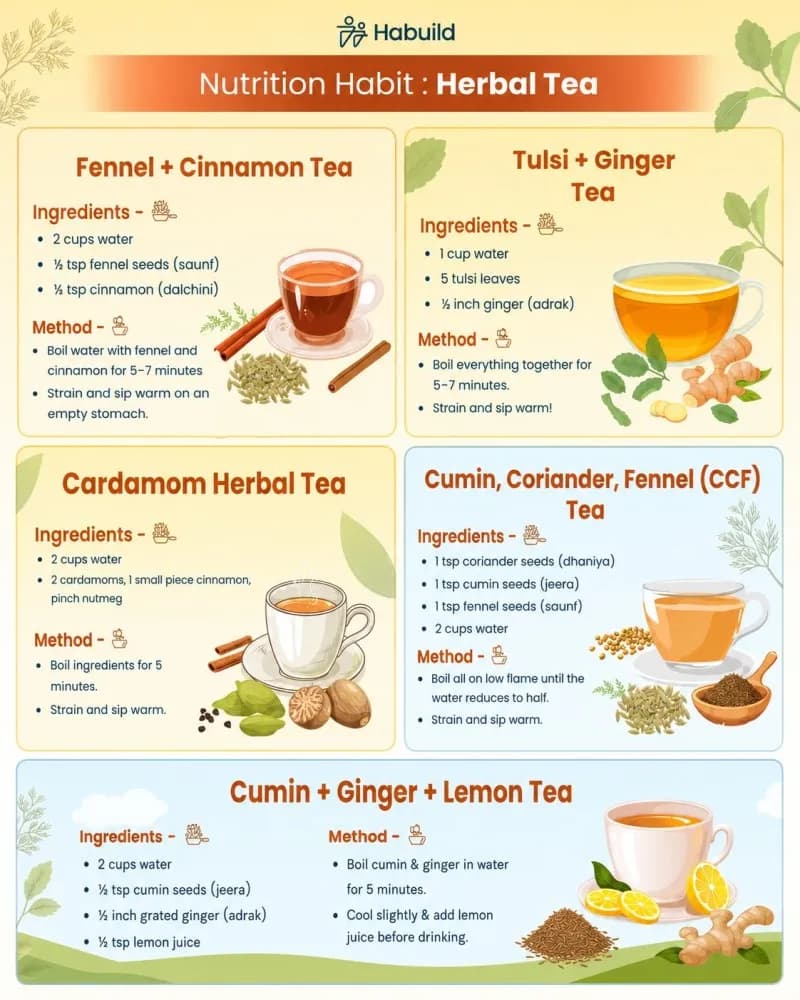
Herbal Tea Recipes: 5 Simple Blends for Daily Routine
These five herbal tea blends use common Indian kitchen ingredients like fennel, cinnamon, tulsi, ginger, and cardamom — light, warm drinks, not medicine..

Green Tea Benefits: Evidence, Timing and Safety
Learn what green tea can realistically do, how to brew it, caffeine timing, weight-loss evidence and supplement safety notes.

Chamomile Tea for Sleep: Does It Really Work?
Chamomile tea for sleep has more real evidence behind it than most bedtime folk remedies — but it's a mild aid, not a sedative. See how it compares to warm milk and valerian root.
