
Gluten Free Foods: A Practical Guide for Celiac Disease and Sensitivity
Indian kitchens already have a long list of naturally gluten-free options — rice, millets, pulses, and more — that can form a complete diet without.
Key Takeaways
- Rice, millets, pulses, and besan already form a naturally gluten-free base in Indian kitchens.
- For celiac disease, gluten triggers an autoimmune reaction that damages the small intestine.
- Buckwheat and amaranth flour, common during fasting, double as gluten-free roti substitutes.
- Going gluten-free isn’t automatically healthier without celiac disease or sensitivity.
- Packaged gluten-free products often have less fibre and fewer B vitamins than the original.
If you’ve been told to avoid gluten, building meals around gluten free foods can feel overwhelming at first, especially in a country where wheat-based staples like roti, poori, and biscuits show up at nearly every meal. The good news is that Indian kitchens already have a long list of naturally gluten-free options — rice, millets, pulses, and more — that can form the base of a complete, satisfying diet without needing special “diet” products.
Gluten Free Foods at a Glance
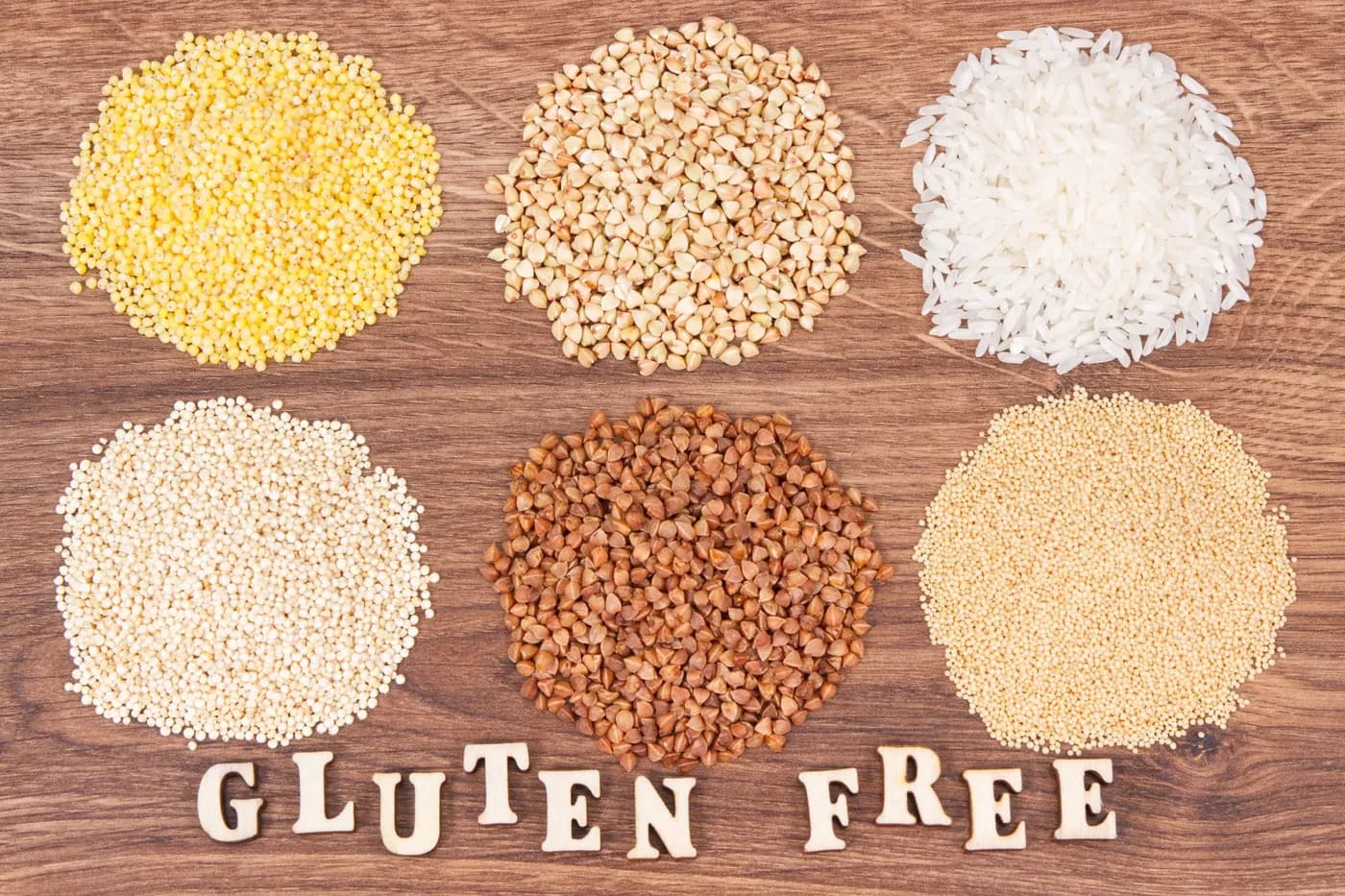
- Rice, in all forms — white, brown, red, and poha, idli, and dosa batters made purely from rice and lentils
- Millets — jowar (sorghum), bajra (pearl millet), ragi (finger millet), foxtail and kodo millet
- Pulses and legumes — moong, chana, rajma, toor dal, and besan (gram flour)
- Naturally gluten-free grains — quinoa, buckwheat (kuttu), and amaranth (rajgira)
- Fruits, vegetables, and dairy in their plain, unprocessed form
- Nuts and seeds — almonds, peanuts, chia, flaxseed, and sesame
- Caution needed — packaged sauces, malted drinks, and some spice blends can hide gluten even when the main ingredient looks safe
Who Actually Needs a Gluten-Free Diet
Gluten is a protein found in wheat, barley, and rye. For most people, it’s harmless. But for people with celiac disease, eating gluten triggers an autoimmune reaction that damages the lining of the small intestine, leading to poor nutrient absorption, digestive distress, fatigue, and in some cases, longer-term complications if left unmanaged. People with non-celiac gluten sensitivity don’t have the same intestinal damage but still experience bloating, discomfort, or brain fog after eating gluten. For both groups, choosing to avoid gluten isn’t a lifestyle preference — it’s a medical necessity, and even small, accidental amounts of gluten can cause symptoms. For them, building a diet around reliable gluten free foods isn’t optional — it’s the only way to avoid symptoms.
Grains and Staples That Count as Naturally Gluten Free Foods
Rice is the most reliable base for a gluten-free plate and works in everything from plain steamed rice to dosa and idli batter. Millets are just as valuable: jowar rotis, bajra khichdi, and ragi porridge are traditional, filling, and naturally free of gluten. Buckwheat (kuttu ka atta) and amaranth (rajgira) flour are common during fasting periods in India and double as excellent gluten-free flour substitutes for rotis or pooris. Besan, made from chickpeas, works well for chillas, dhoklas, and thickening curries. None of these require special processing to be safe — they’re gluten free foods by nature, not by manufacturing.
Why Going Gluten-Free Isn’t Automatically Healthier
This is worth stating plainly: for people without celiac disease or gluten sensitivity, switching away from gluten is not a general weight-loss or health strategy. Packaged gluten-free products — breads, cookies, pastas — are often made with refined rice flour, potato starch, or corn starch, and many contain less fiber and fewer B vitamins than their wheat-based counterparts, along with added sugar or fat to improve taste and texture. If you don’t have a medical reason to avoid gluten, cutting out whole wheat and other gluten-containing grains can actually reduce the variety and fiber in your diet rather than improve it. Not all packaged gluten free foods are created equal, and many trade fiber for taste and shelf life. Gluten-free eating is the right choice when it’s medically necessary — not a shortcut to better health for everyone else.
That fiber gap is really the main trade-off worth watching, and it’s not unique to gluten-free eating — High Fiber Diet covers how to close it regardless of whether gluten is even part of the conversation. And if you want a place where gluten-free eating still feels indulgent, Gluten Free Desserts rounds up naturally gluten-free Indian sweets that don’t rely on packaged substitutes.
Photo: Finger millet pap, CC BY-SA 4.0, via Wikimedia Commons
Building Meals Safely Around Gluten Free Foods
For those who do need to build meals around gluten free foods, consistency in reading labels matters more than memorizing a list. Gluten hides in soy sauce, some asafoetida (hing) blends, malted beverages, and processed snacks, so checking ingredient lists each time is worth the habit. At home, using separate containers, cutting boards, and toasters for gluten-free items reduces cross-contamination risk, since even trace amounts can trigger symptoms in celiac disease. When eating out, it helps to ask directly how food is prepared, since shared frying oil or cooking surfaces are common sources of accidental exposure. Treating label-reading as a habit, not a one-time check, is what makes a diet of gluten free foods sustainable long-term.
Common Mistakes When Switching to Gluten Free Foods
A few habits slow people down when they first start relying on gluten free foods. Assuming any packaged snack labeled “healthy” is automatically gluten-free is a common one — always check the ingredient list rather than the front-of-pack messaging. Overlooking condiments is another: soy sauce, some ready-made chutneys, and certain spice blends can carry hidden gluten even though the main dish itself is naturally safe. Some people also assume that switching to gluten free foods automatically means eating less fiber or fewer nutrients, when in fact millets, pulses, and rice can match or exceed wheat on both counts if the diet stays varied. And treating cross-contamination as a minor detail — sharing a toaster, cutting board, or frying oil with wheat-based food — is a mistake that matters a great deal for anyone with celiac disease specifically, even if it seems trivial for casual gluten avoidance.
Myths vs Facts About Gluten Free Foods
- Myth: Gluten-free automatically means healthier. Fact: many packaged gluten free foods are lower in fiber and higher in refined starch than their wheat-based counterparts.
- Myth: Only wheat contains gluten. Fact: barley and rye contain gluten too, and it’s worth checking any product made from these grains, not just wheat flour.
- Myth: A gluten-free diet helps everyone lose weight. Fact: without celiac disease or a diagnosed sensitivity, there’s no evidence that avoiding gluten changes body weight on its own.
- Myth: Millets and rice are a “compromise” compared to wheat. Fact: jowar, bajra, ragi, and rice are traditional, nutrient-rich staples in their own right — gluten-free by nature, not as a substitute.
Who Should Be Cautious About a Gluten-Free Diet
People with celiac disease or a confirmed gluten sensitivity should follow a gluten-free diet strictly and consistently, since even small, occasional amounts of gluten can trigger symptoms or intestinal damage over time. Anyone self-diagnosing without medical testing should be cautious about cutting out gluten broadly, since doing so before a proper test can make celiac disease harder to diagnose accurately later (testing typically requires gluten still being in the diet). People relying heavily on packaged gluten free foods for convenience should also watch overall diet quality, since some of these products trade fiber and micronutrients for taste and shelf life.
Frequently Asked Questions
Related Articles
Protein rich vegetarian foods: the perfect plate habit
Learn how protein rich vegetarian foods support energy, strength and fullness. Use the perfect plate habit with greens, grains and protein.

Iron rich foods need protein: 1/4th plate habit
Eating iron rich foods is important, but protein helps your body use iron better. Learn the 1/4th plate protein habit with simple vegetarian foods.
Protein-rich vegetarian foods: 1/4th plate habit
Explore protein, carbohydrates, healthy fats and meal planning for strength training, muscle building and recovery.
