
Grapefruit: Nutrition, Benefits and Easy Ways to Use It
Grapefruit can add variety, flavour and useful nutrients to a vegetarian eating pattern. Its exact nutrition depends on the form, serving and preparation.
Key Takeaways
- Whole grapefruit provides more fibre than its juice.
- It supplies vitamin C, water, potassium and plant pigments.
- It does not burn fat or cause weight loss by itself.
- Some medicines interact with the fruit or its juice, sometimes seriously.
- People taking regular medicines should check with a pharmacist before adding it to their routine.
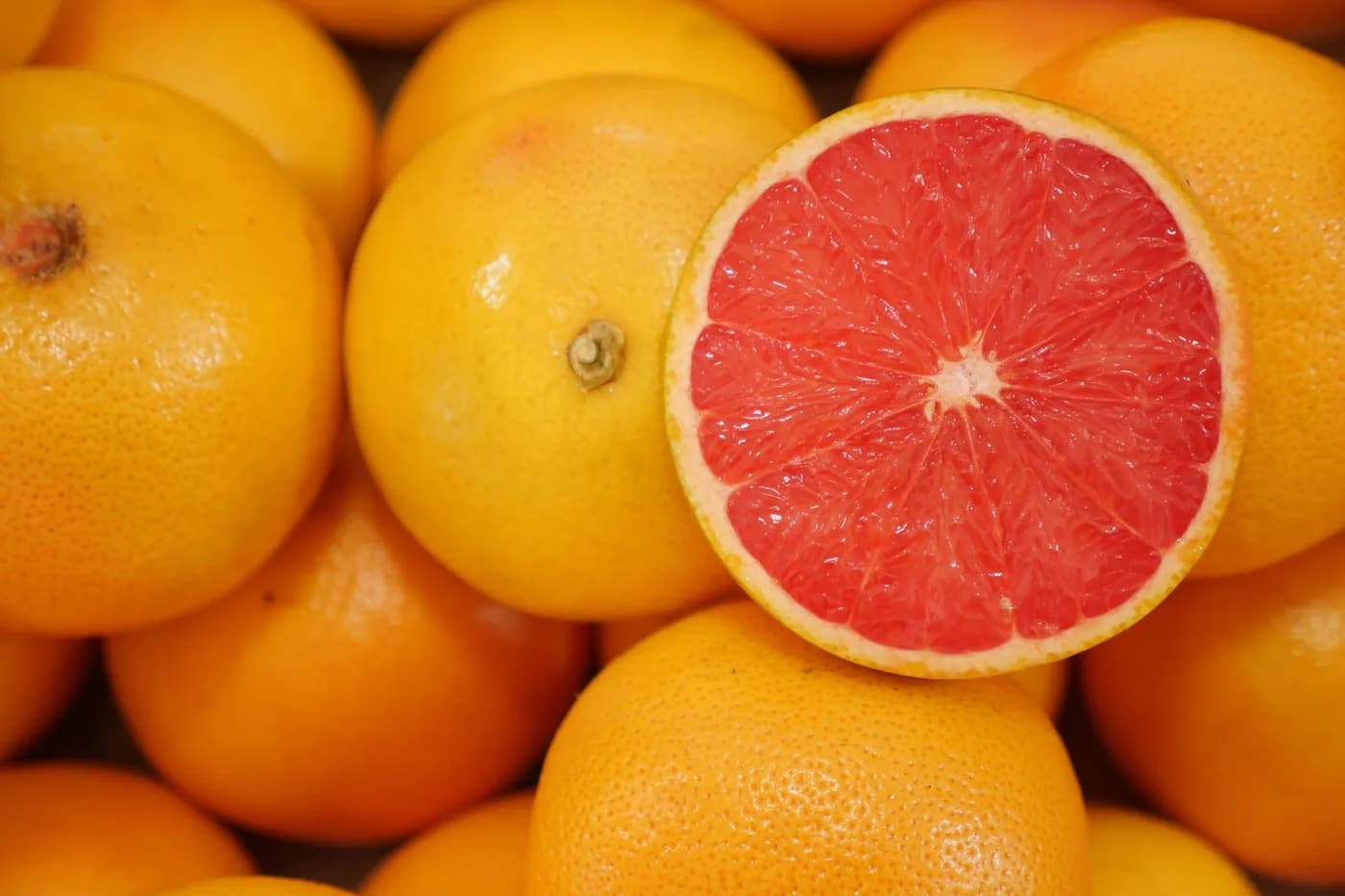
Grapefruit is a citrus fruit with a refreshing sweet-tart flavour. It provides water, vitamin C, fibre and several plant compounds, making it an easy way to add variety to a vegetarian diet.
However, it is not suitable for everyone. Grapefruit can change how certain prescription and over-the-counter medicines work. Its nutritional value and this important interaction risk both deserve attention.
Grapefruit nutrition
Like other citrus fruits, grapefruit is mostly water. It provides carbohydrate, vitamin C and smaller amounts of potassium, folate and other nutrients. The flesh and membranes also contribute fibre.
Pink and red varieties contain carotenoids such as lycopene and beta-carotene. White varieties have a different pigment profile but remain nutritious. Colour alone does not determine whether one type is healthier.
The exact nutrition varies with the variety and serving size. Adding sugar, syrup or a sugary dressing changes the final dish, while eating the whole segments retains more fibre than straining them into juice.
Possible benefits
Vitamin C and normal body functions
Vitamin C supports collagen formation, wound healing, iron absorption and normal immune function. Grapefruit can contribute to daily intake, although it is not the only source. Guava, amla, oranges, capsicum and tomatoes are useful alternatives.
Eating a vitamin C-rich fruit with a vegetarian meal may also improve the absorption of non-haem iron from foods such as dal, beans and leafy vegetables.
Hydration and digestion
Its high water content can contribute to fluid intake, while the fibre in whole fruit supports bowel regularity. It should not replace drinking water, and suddenly eating large amounts may cause bloating or discomfort in some people.
Juice is easier to consume quickly and contains less fibre than the intact fruit. A whole portion is usually more satisfying and makes it easier to notice how much you have eaten.
Plant compounds
Citrus fruit contains flavonoids and other plant compounds studied for antioxidant activity. Pink and red varieties also provide lycopene. These compounds are interesting, but laboratory findings do not prove that one fruit prevents cancer or heart disease.
Health benefits associated with fruit-rich diets reflect the overall combination of fibre, nutrients, food substitutions and lifestyle habits. They should not be reduced to one antioxidant or supplement.
Weight management
Grapefruit is sometimes promoted as a fat-burning food. Clinical studies have not established that it produces meaningful weight loss by itself. A systematic review found too few short trials to draw strong conclusions about body weight or metabolic outcomes. (PubMed)
It may still fit a weight-management plan because whole fruit provides water, fibre and flavour. Its value comes from replacing a more energy-dense snack or dessert, not from a special fat-burning property.
Whole fruit, juice or packaged products?
Whole fruit
Whole segments retain fibre and require chewing. Remove the peel, but keep some of the soft membranes around the segments if you enjoy the texture.
One-half to one medium fruit may be a practical portion, although individual needs vary.
Grapefruit juice
Juice provides vitamin C and fluid but less fibre. It is also easy to drink in a large quantity. Choose an unsweetened product, check the serving size and remember that juice can cause the same medicine interactions as the whole fruit.
Canned and flavoured versions
Canned segments can be convenient. Choose fruit packed in water or its own juice rather than heavy syrup.
Flavoured drinks may contain little real fruit and considerable added sugar, so read the ingredient list.
Easy ways to use it
The fruit can taste quite bitter, especially near the membranes. Pairing it with naturally sweet or creamy foods can soften the flavour without adding much sugar.
- Add segments to a bowl with banana, papaya, apple or pomegranate.
- Serve it with plain curd, oats and a measured portion of nuts or seeds.
- Combine it with cucumber, leafy greens and chickpeas in a salad.
- Mix the juice released while cutting into a simple salad dressing.
- Use chilled segments as a refreshing snack rather than a sweetened drink.
If the acidity irritates your stomach or mouth, choose another fruit. There is no health requirement to eat grapefruit specifically.
Medicine interactions: the essential safety check
Grapefruit and its juice can alter enzymes and transport proteins involved in processing medicines. For some drugs, this allows too much medicine to enter or remain in the bloodstream, increasing side effects. For others, it can reduce absorption and make the treatment less effective. (FDA)
Interactions can occur with certain cholesterol-lowering statins, blood-pressure medicines, heart-rhythm drugs, transplant medicines, anti-anxiety drugs, corticosteroids and antihistamines. Not every medicine in these categories is affected, and the advice differs by product and dose.
Do not simply separate the fruit and medicine by a few hours or stop treatment yourself. Read the patient leaflet and ask a pharmacist or prescribing clinician whether your exact medicine is affected.
Pomelo, Seville orange and tangelo may sometimes have similar effects. If you have been told to avoid grapefruit, ask whether these fruits should also be avoided. (FDA)
Other precautions
Its acidity may worsen heartburn, mouth ulcers or sensitive teeth. Rinsing the mouth with plain water after eating may help protect enamel; avoid brushing immediately after an acidic food.
Citrus allergy is uncommon but possible. Stop eating it and seek urgent help for breathing difficulty, facial or throat swelling, faintness or a widespread reaction.
Wash the peel before cutting so the knife does not transfer dirt to the flesh. Refrigerate cut fruit promptly and discard it if it develops mould, an unusual smell or a slimy texture.
Sources
Frequently Asked Questions
Related Articles

Healthy fats: why your body needs fat
Healthy fats help your body absorb vitamins and support brain, hormones, joints, cells and daily meals. Learn simple vegetarian sources and habits.

Good fats vs bad fats: choose fats wisely
Understand good fats vs bad fats in simple words. Learn which vegetarian fats to choose, what to reduce and how to read food labels better.
