
Green Lentils Benefits: Nutrition, Protein and Fibre Explained
Whole green lentils — sabut moong or whole masoor — keep their outer seed coat through processing, which shapes their fibre content and cooking time.
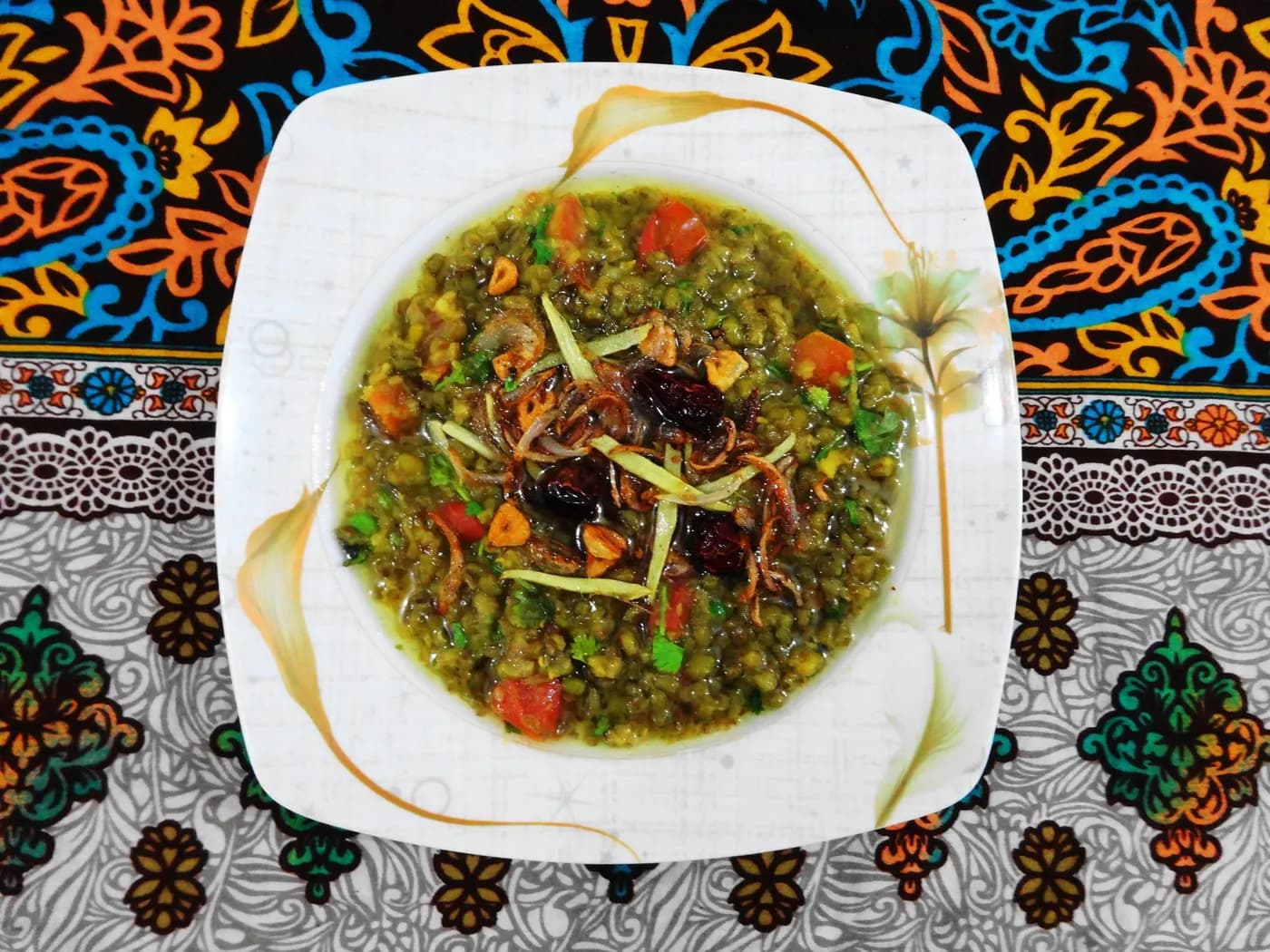
Key Takeaways
- Whole green lentils keep their seed coat, unlike split dals like masoor or moong dal.
- That intact coat gives them noticeably more fibre than their split counterparts.
- A cooked cup provides roughly 17-18g protein, a solid vegetarian protein base.
- They digest more gradually, which many find keeps energy and appetite steadier.
- Split dals cook faster and digest more easily – useful for sensitive digestion instead.
When people search for green lentils benefits, they usually mean the whole, unsplit lentil — skin intact, seed whole — rather than the split dals like masoor dal or moong dal that dominate most Indian kitchens. Whole green lentils, often sold as sabut moong or whole (green or brown) masoor, keep their outer seed coat through processing, and that single difference shapes their fibre content, cooking time, and how steadily they digest compared to their split counterparts.
Green Lentils Benefits at a Glance
- High plant protein: a cooked cup of whole green lentils provides roughly 17-18g of protein, making them a solid base for vegetarian and vegan meals.
- Much higher fibre than split dals: the intact seed coat means whole green lentils carry noticeably more fibre per serving than their split, skinless versions.
- Steady, slow-release energy: the fibre and protein combination means whole lentils tend to digest more gradually, which many people find keeps energy and appetite more stable between meals.
- Good source of iron and folate: useful for general energy metabolism and especially relevant during pregnancy or for anyone managing iron intake on a vegetarian diet.
- Naturally low in fat: whole green lentils are almost fat-free, so the calories they provide come mostly from protein and complex carbohydrates.
- Versatile in the kitchen: they hold their shape well in salads, sprouts, soups, and whole dal preparations, unlike split dals which break down into a softer, mushier texture.
Nutritional Profile of Whole Green Lentils
The green lentils benefits start with the numbers, so it helps to look at them directly. Per 100g of cooked whole green lentils, you’re typically looking at around 115-120 calories, 9g of protein, 8g of fibre, and roughly 20g of carbohydrates, alongside meaningful amounts of iron, magnesium, potassium, and folate. Compare that fibre figure to split, skinless dals of the same lentil, which usually come in noticeably lower simply because the fibre-rich outer layer has been milled away. This is really the heart of what makes whole green lentils nutritionally distinct — the seed coat isn’t just packaging, it’s where a large share of the fibre lives.
Photo: jules:stonesoup, CC BY 2.0, via Openverse
Green Lentils Benefits vs Split Dals: Why “Whole” Matters
It’s worth being precise here: not all lentils are the same once they hit your plate. Split dals — masoor dal, moong dal, toor dal — have had their outer skin removed and the seed split in two, so they cook faster and digest more easily, which has its own value for people with sensitive digestion. Whole green lentils, with the skin left on, retain more fibre and tend to have a lower glycemic impact because the intact structure slows starch digestion. Neither form is objectively “better” — they serve different purposes. If your goal is more fibre and a gradual blood sugar response, whole green lentils are the stronger choice; for a quicker-cooking, gentler option, split dal still has its place. Either way, the green lentils benefits are really about that intact seed coat, not about one lentil being inherently superior.
If you’re building a broader vegetarian protein plan, our roundup of high-protein vegetarian foods shows where lentils fit alongside other staples, and if beans are more your go-to than lentils, beans health benefits covers that side of the legume family.
Health Benefits of Eating Green Lentils Regularly
Beyond the basic nutrition numbers, consistent green lentils benefits show up in a few practical ways. The fibre supports regular digestion and feeds gut bacteria linked to better metabolic health. The plant protein contributes to muscle maintenance, particularly useful for vegetarians who combine lentils with grains like rice or roti for a fuller amino acid profile across the day. Iron and folate support everyday energy levels and red blood cell production, though plant-based iron absorbs better when paired with vitamin C, such as a squeeze of lemon. And because whole lentils digest more slowly than refined carbohydrates, they’re a reasonable everyday choice for anyone watching their blood sugar response, without needing to treat them as a cure for anything. Put together, these green lentils benefits make a strong case for keeping whole lentils, not just split dal, somewhere in your weekly rotation.
How to Include Whole Green Lentils in Your Diet
Getting the green lentils benefits into your week doesn’t require a complicated recipe change. Whole green lentils work well soaked overnight and pressure-cooked into a simple sabut masoor or sabut moong dal, tempered with cumin, garlic, and a bit of ghee. They’re also excellent sprouted — soak for a few hours, drain, and let them sit for a day until small sprouts appear, then toss into a salad with onion, tomato, and lemon juice for a light, protein-rich snack. Adding a handful to vegetable soups or stews is another easy way to build fibre and protein into a meal without much extra effort, since the lentils hold their shape rather than dissolving into the broth.
Frequently Asked Questions
Related Articles

Healthy fats: why your body needs fat
Healthy fats help your body absorb vitamins and support brain, hormones, joints, cells and daily meals. Learn simple vegetarian sources and habits.

Good fats vs bad fats: choose fats wisely
Understand good fats vs bad fats in simple words. Learn which vegetarian fats to choose, what to reduce and how to read food labels better.
