
Gut Health Diet: What to Eat for a Healthier Digestive System
A good gut health diet isn’t about one superfood — it’s consistent daily habits: enough fibre, a variety of plants, some fermented food, and enough.

Key Takeaways
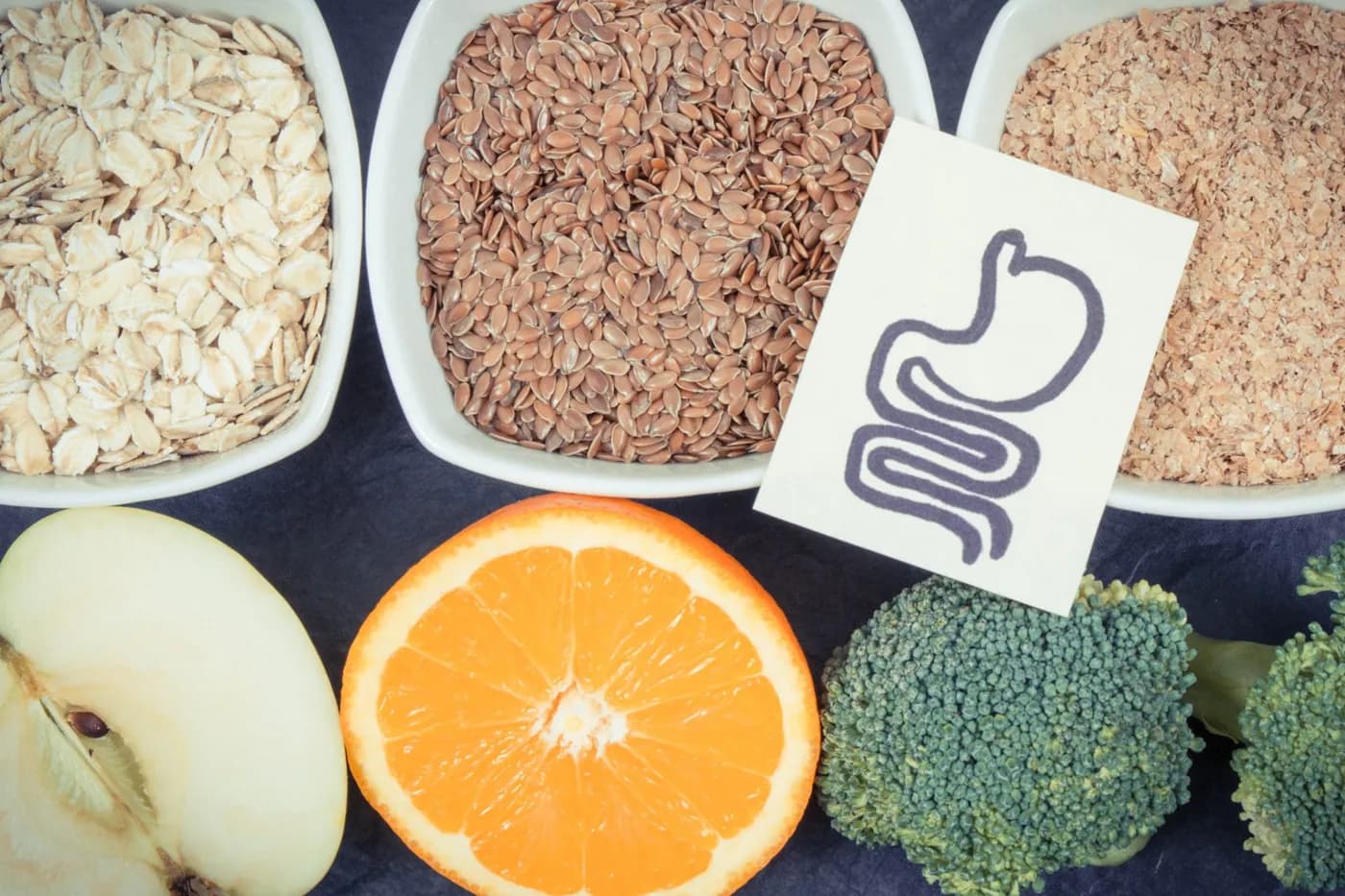
- No single superfood – consistent fibre, plant diversity, fermented food, and water matter most.
- Eating 20-30 different plant foods a week supports a wider range of gut bacteria.
- Rotating vegetables and dals through the week matters more than any single ingredient.
- Excess added sugar and ultra-processed food crowd out beneficial gut bacteria.
- Antibiotics wipe out good bacteria too, making gut-friendly eating matter even more then.
A good gut health diet isn’t about one superfood — it’s about consistent daily habits: enough fibre, a variety of plants, some fermented food, and enough water. Your gut houses trillions of bacteria that influence digestion, immunity, and even mood, and what you eat every day shapes that inner ecosystem more than any single remedy can.
What a gut health diet actually includes
- Fibre from multiple sources — whole grains, dals, vegetables, and fruit feed the good bacteria in your gut and keep digestion moving
- Diversity of plants — eating 20-30 different plant foods across a week (not just repeating the same 4-5) supports a wider range of gut bacteria
- Fermented foods — small regular amounts of curd, buttermilk, or traditionally fermented pickles introduce beneficial bacteria
- Hydration — water helps fibre do its job and keeps digestion regular
- Minimal ultra-processed food — the less refined sugar and packaged food, the more room there is for gut-friendly options
How to build a gut health diet in daily meals
Start by adding, not restricting. A typical thali built this way might look like: a bowl of dal (fibre and protein), a mixed vegetable sabzi, one portion of curd or buttermilk, a whole grain roti or brown rice, and a piece of seasonal fruit. Rotate your vegetables and dals through the week instead of eating the same two or three on repeat — the variety itself is what a genuinely varied gut health diet is built on, not just a nutrition checkbox. Add a handful of nuts or seeds for extra fibre and healthy fats, and keep a glass of water within reach through the day rather than gulping it all at once.
If you want to go deeper on which fermented foods actually help and how much is useful, that’s covered separately in our guide to probiotic foods — this piece focuses on the overall eating pattern, not individual food sourcing.
What disrupts gut health
Just as important as what you add is what quietly works against a gut health diet:
- Excess added sugar — feeds less helpful bacteria and yeast, crowding out the beneficial kind
- Ultra-processed and packaged food — low in fibre and often high in additives that gut bacteria don’t thrive on
- Overuse of antibiotics — necessary when prescribed, but they wipe out good bacteria along with the bad, so gut-friendly eating matters even more during and after a course
- Chronic stress and poor sleep — the gut-brain connection means both directly affect digestion, not just diet
- Very low fibre intake — refined grains and low vegetable intake starve the gut of what it needs to function well
Photo: gyroscopio, CC BY 2.0, via Openverse
Common mistakes people make
Even a well-intentioned gut health diet can go off track in a few predictable ways:
- Focusing only on probiotics while ignoring fibre — both matter, and fibre feeds the bacteria probiotics introduce
- Cutting out entire food groups without medical reason, which can reduce diversity rather than improve it
- Expecting overnight results — gut bacteria shift over weeks of consistent eating, not days
- Drinking too little water while increasing fibre, which can cause bloating or constipation instead of relief
For more specific digestive complaints, chia seeds for constipation and acidity home remedies go deeper on targeted food fixes, alongside the probiotic foods guide above for anyone wanting more on fermented food specifics.
Myths vs Facts About a Gut Health Diet
- Myth: You need an expensive probiotic supplement to fix your gut. Fact: a food-first gut health diet built on fibre and fermented foods like curd and buttermilk does most of the same work for most healthy people.
- Myth: All bloating means your gut health diet is failing. Fact: some bloating is normal when you increase fibre, especially in the first couple of weeks — it usually settles as your gut adjusts.
- Myth: Cutting out entire food groups “resets” your gut. Fact: restriction without medical reason usually reduces the diversity of bacteria a healthy gut health diet is meant to support, rather than improving it.
- Myth: One “superfood” can fix poor digestion. Fact: no single ingredient substitutes for the overall pattern — a genuine gut health diet works through variety and consistency, not one hero food.
Who Should Be Cautious
A gut health diet built on plenty of fibre and fermented foods is safe for most people, but a few groups should introduce changes more slowly or check with a doctor first. People with IBS or a diagnosed digestive condition can find a sudden jump in fibre or fermented foods triggers more bloating or discomfort rather than less, so a gradual increase works better than an overnight overhaul. Anyone recovering from gut surgery, dealing with an active infection, or managing a compromised immune system should get personalised guidance before adding large amounts of fermented food, since not all situations respond the same way. If digestive symptoms are severe, persistent, or accompanied by unexplained weight loss, see a doctor rather than relying on diet changes alone.
Common Mistakes That Undo a Gut Health Diet
- Adding fibre too fast — a sudden jump from a low-fibre diet to a high-fibre gut health diet often causes gas and bloating; increasing gradually over 2-3 weeks is gentler.
- Relying on supplements instead of food — probiotic capsules can help in specific situations, but they don’t replace the variety of plant fibres a genuine gut health diet depends on.
- Forgetting water intake — more fibre without more water is a common recipe for constipation, not relief.
- Treating it as a short-term fix — a gut health diet works through weeks of consistency, not a five-day “reset.”
Frequently Asked Questions
Related Articles
How to Improve Gut Health: Natural Methods through Yoga, Exercise and Diet
Intestinal motility, microbiome diversity, and the vagal-gut axis are the three correctable factors behind digestion, immune function, mood, and even.

How to Make Gut Health Strong: 10 Proven Ways
Learn how to make gut health strong with simple daily habits, exercises, and foods. Start your gut-friendly routine with Habuild — try it with a 14-day free trial.


Diet for Strength Training: a Practical Eating Guide for Muscle and Recovery
Explore protein, carbohydrates, healthy fats and meal planning for strength training, muscle building and recovery.