
Healthy Breakfast Options: What Actually Makes a Breakfast Good for You
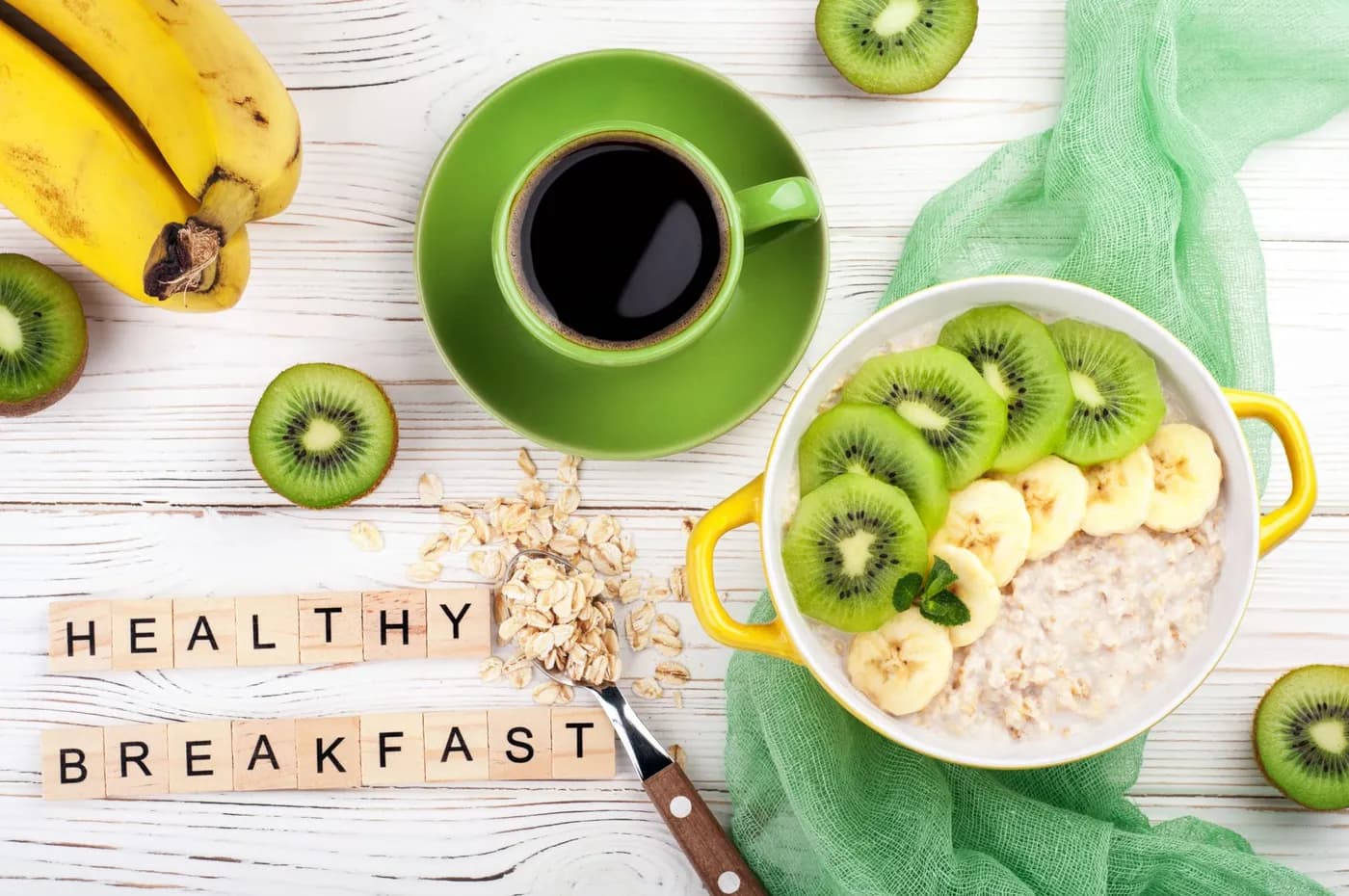
A good breakfast has enough protein to keep you full, enough fibre to steady blood sugar, and not much added sugar — most packaged cereals and bakery.
Key Takeaways
- Aim for roughly 15-20g protein at breakfast to reduce mid-morning hunger and cravings.
- Many ‘healthy’ cereals and flavoured yogurts carry as much sugar as a dessert.
- Fibre from whole foods, not a ‘high fibre’ label, is what actually steadies blood sugar.
- A besan omelette or dal-based cheela keeps you fuller than an equivalent-calorie cereal bowl.
- Look for under 5g sugar per 100g and pair cereal with milk, curd, or nuts for protein.
Good healthy breakfast options share a few things in common regardless of cuisine: enough protein to keep you full, enough fibre to steady blood sugar, and not much added sugar to spike and crash your energy. Most packaged cereals, flavoured yogurts, and bakery items fail on at least one of these counts, even when marketed as a “healthy” morning choice — which is why it helps to understand the underlying principles rather than just picking something because the box says so.
What Makes Breakfast “Healthy” — At a Glance
- Protein first — aim for roughly 15-20g at breakfast (sprouts, curd, paneer, dal, nuts, or a protein-rich batter) to reduce mid-morning hunger and cravings.
- Fibre from whole foods — vegetables, whole grains, or fruit with the skin on, not just a “high fibre” label on a box.
- Minimal added sugar — many breakfast cereals and flavoured yogurts carry as much sugar as a dessert; check the label rather than assuming.
- A source of healthy fat — a few nuts, a teaspoon of ghee, or seeds slow digestion and improve satiety.
- Something you’ll actually eat again tomorrow — sustainability matters more than chasing any single “perfect” pick from a list of healthy breakfast options.
Why Protein and Fibre Matter More Than Calorie Count
The biggest gap in most people’s breakfasts isn’t calories — it’s the balance of protein and fibre against carbohydrate. A breakfast of only toast and jam, or a bowl of cornflakes with milk, is mostly fast-digesting carbohydrate. It raises blood sugar quickly, and the follow-up crash often shows up as hunger or a craving for something sweet an hour or two later. Adding protein and fibre slows that digestion, which is why a besan (chickpea flour) omelette with vegetables or a bowl of dal-based cheela tends to keep people satisfied for longer than an equivalent-calorie bowl of sugary cereal. This isn’t about eating less — it’s about the composition doing more work for you. That composition is really what separates genuinely healthy breakfast options from ones that just look virtuous on a menu.
The Cereal Box Trap
Many breakfast cereals marketed with words like “fibre,” “whole grain,” or “no added preservatives” still contain 10-15g of sugar per serving — sometimes more than a few biscuits. This is exactly the trap that turns seemingly healthy breakfast options into hidden sugar bombs. Flavoured muesli, granola bars, and instant oats sachets often fall into the same trap. This doesn’t mean cereal is off-limits; it means reading the nutrition label matters more than the front-of-pack claims when you’re comparing healthy breakfast options at the store. A useful habit is looking for options with under 5g of sugar per 100g and pairing them with milk, curd, or nuts to add protein the cereal itself may be missing.
Photo: rovingI, CC BY 2.0, via Openverse
Healthy Breakfast Options Worth Rotating Through
A few concrete healthy breakfast options that meet the protein-fibre-low-sugar bar, useful for building your own rotation:
- Vegetable besan chilla with curd — a protein- and fibre-rich savoury pancake that takes under 15 minutes.
- Besan chilla or a paneer bhurji with sautéed vegetables and one slice of whole wheat toast.
- Curd or Greek yogurt with chia seeds, a chopped fruit, and a few soaked almonds.
- Moong dal cheela or vegetable oats, both of which combine complex carbs with plant protein.
- Idli or dosa with sambar, which pairs fermented, easily digestible carbs with lentil-based protein.
- A vegetable and paneer stuffed paratha with curd, kept smaller in portion since parathas run richer in fat.
For more ideas built specifically around dishes like these, Indian Vegetarian Breakfast Recipes goes deeper into each one, and if you want to see how breakfast fits into the rest of the day’s meals, Balanced Diet Chart for a Week lays out a full weekly structure to build around.
Common Mistakes People Make With Breakfast
A few habits quietly undercut otherwise healthy breakfast options. Skipping breakfast entirely and then overeating later in the day is one of the most common — it often leads to bigger, less controlled portions at lunch. Relying on fruit juice as a “healthy” drink is another; even fresh juice lacks the fibre of whole fruit and delivers a fast sugar hit similar to a soft drink. Choosing something purely because the packaging says “diet” or “light” without checking the sugar and fibre content on the label undoes a lot of good intentions. And eating the same rushed toast-and-tea combination every day, simply out of habit, means missing out on the protein and fibre that make healthy breakfast options actually work for satiety and energy.
Myths vs Facts About Healthy Breakfast Options
- Myth: Skipping breakfast always slows your metabolism. Fact: the evidence here is mixed — what matters more consistently is the overall quality and balance of your day’s meals, not strictly whether breakfast happens.
- Myth: All breakfast cereals are healthy breakfast options. Fact: many carry as much added sugar as a dessert; reading the label matters more than the health claims on the box.
- Myth: A heavy, carb-only breakfast gives you more energy. Fact: fast-digesting carbs alone often cause an energy dip within a couple of hours; pairing them with protein and fibre sustains energy for longer.
- Myth: Healthy breakfast options have to be elaborate or time-consuming. Fact: a bowl of curd with fruit and nuts, or a quick besan chilla, takes minutes and meets the protein-fibre bar just as well as a longer recipe.
Who Should Pay Extra Attention to Breakfast Choices
People managing diabetes or blood sugar issues benefit the most from choosing carefully among healthy breakfast options, since a high-sugar, low-protein breakfast can cause sharper glucose spikes and crashes than the same imbalance later in the day. Anyone trying to manage weight should also pay attention here, since a protein- and fibre-forward breakfast tends to reduce overall snacking and calorie intake through the rest of the day. And people who feel persistently low on energy by mid-morning are often experiencing exactly the blood sugar crash that better-balanced healthy breakfast options are designed to prevent.
Frequently Asked Questions
Related Articles

Healthy fats: why your body needs fat
Healthy fats help your body absorb vitamins and support brain, hormones, joints, cells and daily meals. Learn simple vegetarian sources and habits.

Healthy fats for joints: simple daily habit
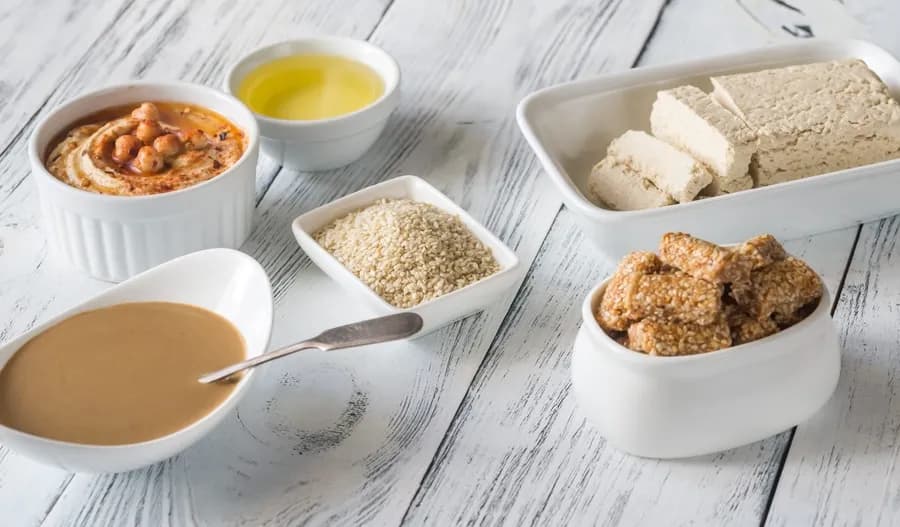
Learn how small amounts of nuts, seeds and ghee can fit into balanced vegetarian meals that support normal function and vitamin absorption.
Healthy fats for brain: soaked almonds and walnuts habit
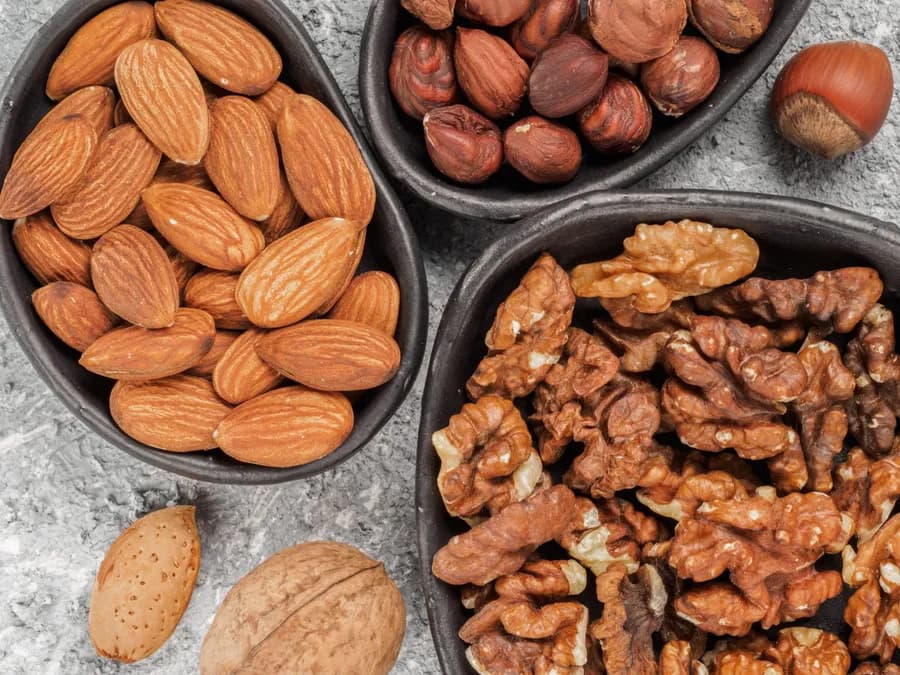
Healthy fats for brain health can come from simple vegetarian foods like almonds, walnuts, seeds and oils. Learn a simple soaked nuts habit.
