
High BP Diet: Foods That Naturally Help Manage Blood Pressure
A high BP diet cuts excess sodium, adds potassium-rich whole foods, and reduces processed items — working alongside medication, not instead of it. See.

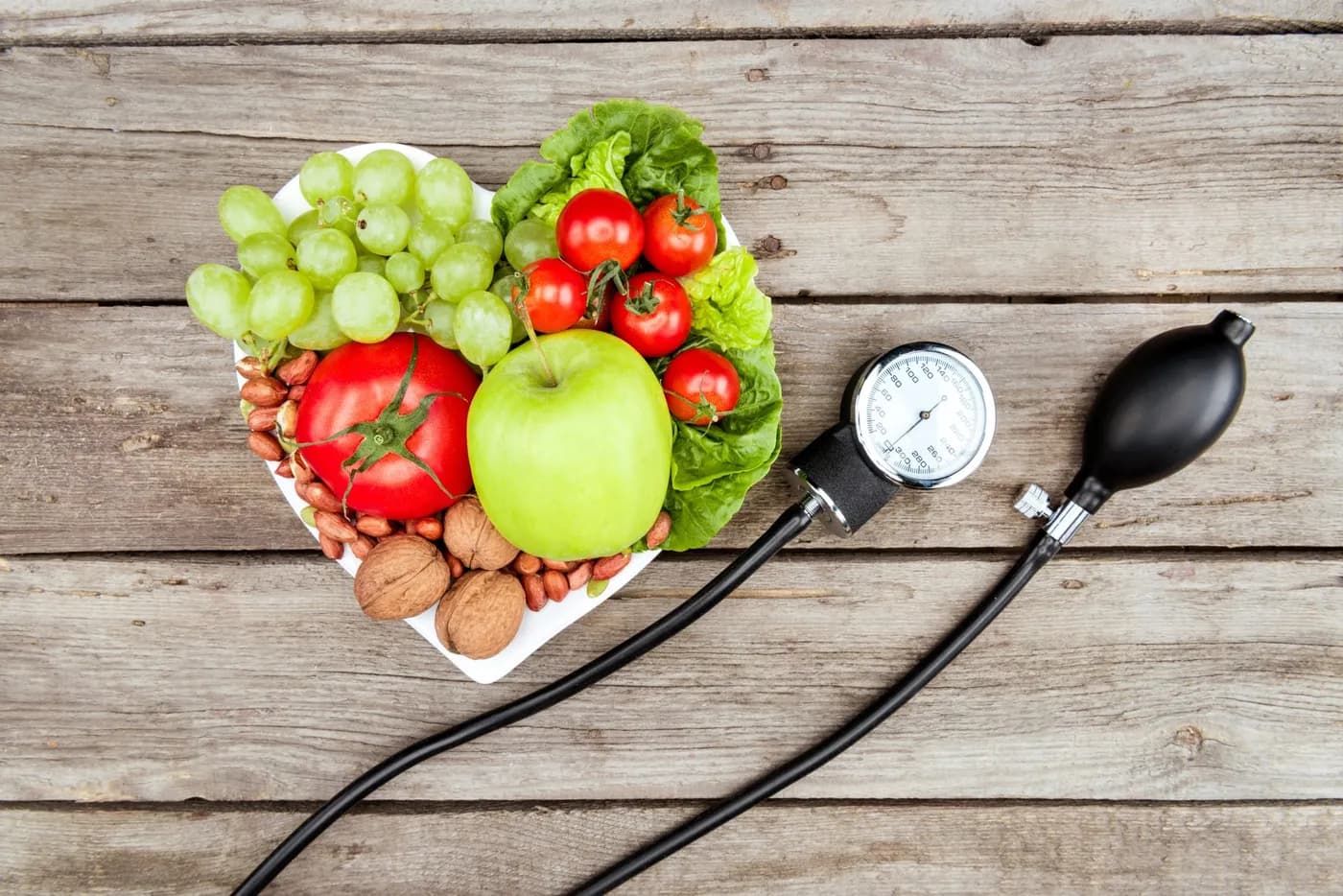
Key Takeaways
- Cutting sodium is the single biggest lever for managing elevated blood pressure through food.
- Most Indian diets exceed the recommended 5g salt once pickles and papad are counted.
- Potassium-rich foods like bananas, spinach, and beans help balance sodium’s effect.
- Garlic has mild blood-pressure-lowering effects when used regularly in cooking.
- Diet works alongside, not instead of, medication and lifestyle habits.
A well-planned high bp diet focuses on cutting excess sodium, adding potassium-rich whole foods, and reducing processed and packaged items. For most people with elevated blood pressure, these food choices work alongside medication and lifestyle habits to keep numbers in a healthier range over time.
What does a high BP diet look like?
At its core, this way of eating is about balance, not deprivation. Here’s a quick snapshot:
- Cut back on sodium — limit packaged snacks, pickles, papad, and instant noodles
- Add potassium-rich foods — bananas, spinach, sweet potatoes, coconut water, and beans
- Choose whole grains over refined flour and polished rice
- Include healthy fats like nuts, seeds, and mustard or olive oil in moderation
- Limit red meat and full-fat dairy, favouring lean protein, dal, and low-fat curd instead
Foods to build your plate around
Vegetables and fruits should form half of every meal — think leafy greens, beetroot, pomegranate, and citrus fruits, all naturally low in sodium and rich in potassium and magnesium. Whole grains such as jowar, bajra, brown rice, and oats provide fibre that supports healthy blood vessels. Legumes and pulses, including moong dal and rajma, offer plant protein without the saturated fat found in red meat. Flaxseed, chia seeds, and walnuts, eaten regularly, bring plant-based omega-3s that support heart health. Garlic, an often-overlooked addition, has mild blood-pressure-lowering effects when used regularly in cooking. Building meals around these ingredients is really what a high bp diet comes down to, day after day.
Dairy matters too — low-fat milk, curd, and paneer supply calcium without excess sodium, as long as you avoid salted or processed versions like cheese slices and flavoured yoghurts.
Following a high bp diet also means limiting these
Reducing sodium is the single biggest lever for anyone managing elevated blood pressure through food. Most Indian diets far exceed the recommended 5g of salt per day once pickles, chutneys, papad, and restaurant food are factored in. Watch out for:
- Table salt added during cooking and at the table
- Processed and packaged foods — chips, namkeen, canned soups, ready-to-eat meals
- Pickles, papad, and salted dry fruits
- Excess caffeine and sugary beverages
- Alcohol, which can raise blood pressure even in moderate amounts
Photo: Martin Ehrensvard, CC BY-SA 2.0, via Openverse (Flickr)
Lifestyle habits that support the diet
A high bp diet alone won’t do the job. Managing weight through regular movement, sleeping seven to eight hours, and finding a daily outlet for stress — even ten minutes of slow breathing or yoga — all measurably lower blood pressure. Limiting alcohol and quitting smoking are two of the fastest ways to see improvement, often within weeks. Regular home monitoring also helps you notice which foods or habits move your numbers, making the diet feel less abstract and more personal.
If you’re tracking your numbers closely, the DASH Diet Chart lays out a similarly structured eating plan you can follow directly. And if anyone in your household deals with the opposite problem, the Low BP Diet guide covers what to eat when readings run low instead of high.
Who Should Be Cautious With a High BP Diet
A high bp diet built around potassium-rich foods works well for most people, but a few groups need extra care before loading up on bananas, spinach, and coconut water. Anyone with kidney disease should check with their doctor first, since impaired kidneys can’t clear excess potassium the way healthy kidneys do, and unusually high levels can affect heart rhythm. The same caution applies if you’re on ACE inhibitors, ARBs, or potassium-sparing diuretics — these medications already raise potassium levels, so combining them with a very high-potassium diet needs medical sign-off on how much is actually safe for you. Pregnant women with high blood pressure, including gestational hypertension or preeclampsia, should follow their obstetrician’s specific dietary guidance rather than a generic online plan, since pregnancy changes how the body handles sodium and fluid. And if blood pressure spikes suddenly alongside a severe headache, blurred vision, or chest pain, that calls for emergency care — no dietary change substitutes for that.
Common Mistakes That Undermine a High BP Diet
A few habits quietly cancel out the benefit of an otherwise careful eating plan:
- Trusting “low sodium” labels without checking the fine print — some packaged foods swap sodium for other additives that aren’t automatically better, especially for anyone with kidney concerns
- Cutting salt at the table but not in cooking or packaged food — most dietary sodium comes from cooking and processed snacks, not the salt shaker, so a diet that only addresses table salt misses the bigger source
- Self-prescribing potassium supplements — getting potassium from whole foods like bananas and spinach is safer than supplement pills, which can push levels too high without medical supervision
- Stopping blood pressure medication because the diet seems to be “working” — a high bp diet supports treatment, it doesn’t replace it; any medication change needs a doctor’s approval first
- Expecting overnight results — dietary changes typically need several weeks of consistency before readings shift meaningfully, so give a high bp diet time before deciding it isn’t helping
Frequently Asked Questions
Related Articles

Diet for Strength Training: a Practical Eating Guide for Muscle and Recovery
Explore protein, carbohydrates, healthy fats and meal planning for strength training, muscle building and recovery.
High BP Kaise Control Kare Yoga Se
High BP kaise control kare yoga se? जानिए 7 असरदार योगासन, सही तरीका और रोज़ाना की दिनचर्या जो BP को संतुलित रखने में मदद करे।

Morning Exercise for High Blood Pressure: 7 Best Workouts to Lower BP Naturally
Consistent low-to-moderate movement — brisk walking, gentle yoga, pranayama, and bodyweight strength without breath-holding — lowers resting blood.