
High-Fibre Foods: Simple Indian Meal Ideas
Find high-fibre Indian foods, easy meal ideas, gradual intake tips and practical advice for constipation and daily health.
Key Takeaways
- Pulses, vegetables, fruit, whole grains, nuts and seeds are useful sources.
- Several moderate sources across the day can add up.
- Increase the amount slowly and drink enough fluid.
- Whole foods provide nutrients beyond fibre alone.
- Persistent constipation or warning signs need medical attention.
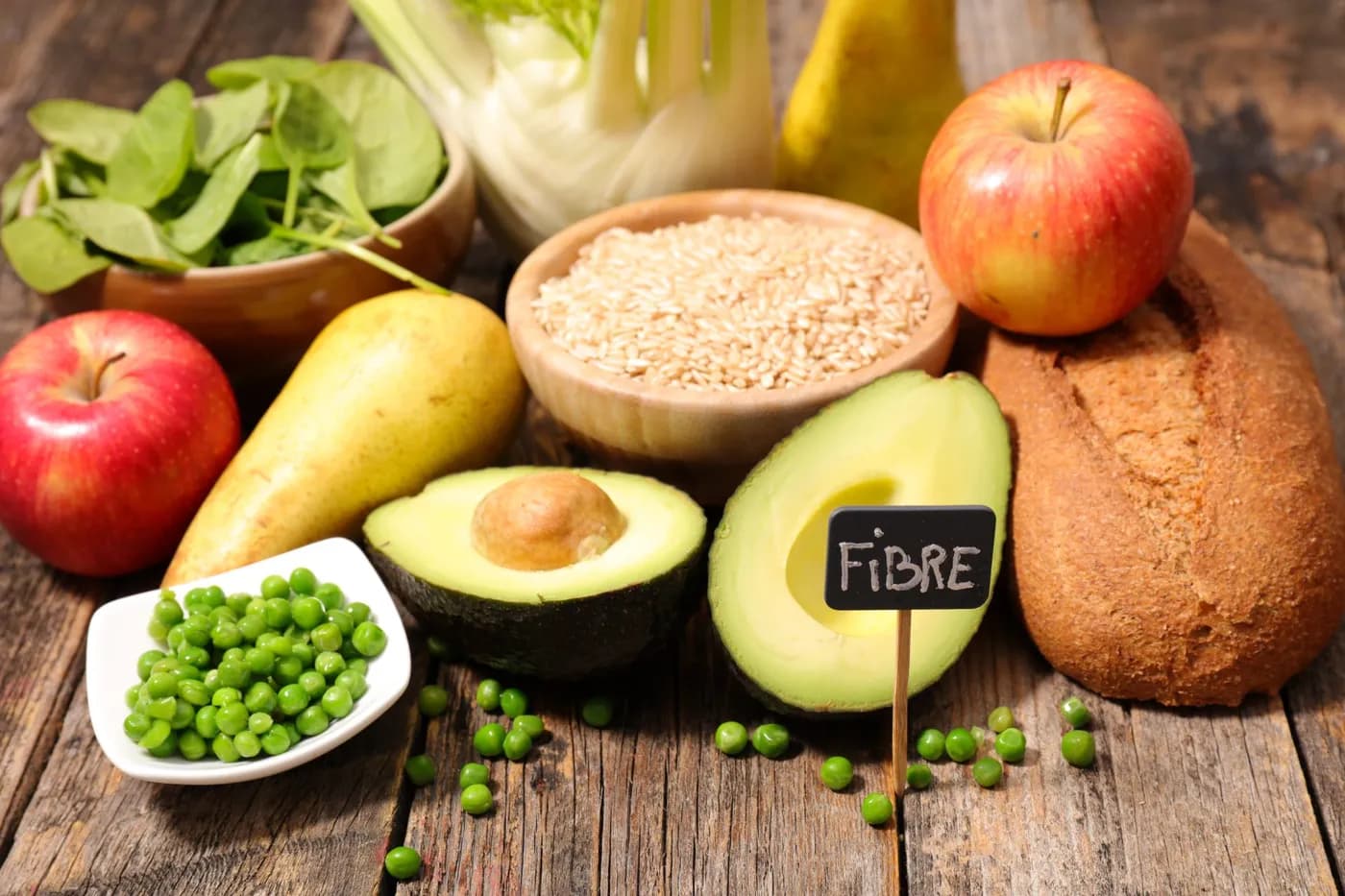
High-fibre foods include familiar pulses, vegetables, fruit, whole grains, nuts and seeds. They support bowel regularity and can help meals feel satisfying without requiring expensive powders or a completely new diet.
Small changes using Indian high-fibre foods can make a meaningful difference. Adding dal to lunch, vegetables to poha or fruit to a snack is often easier to sustain than following a strict plan.
The key is to increase intake gradually. A sudden jump may cause gas, cramps or bloating, particularly when the usual diet contains very little fibre.
What is dietary fibre?
Dietary fibre is the part of plant food that is not completely broken down in the small intestine. It travels into the large intestine, where different types have different effects.
Soluble fibre absorbs water and may form a soft gel, while insoluble fibre adds bulk to stool. Some types are fermented by gut bacteria, which can produce gas when intake rises quickly.
You do not need to calculate each type separately. Eating a varied selection of plant foods is a more practical approach.
Indian high-fibre foods for everyday meals
No single food needs to provide all your daily fibre. A mixture across meals is usually easier to tolerate and brings a wider range of nutrients.
Pulses and legumes
Dal, chana, rajma, lobia, whole moong, masoor and peas also provide vegetarian protein, carbohydrate and minerals.
Begin with a comfortable portion and cook pulses thoroughly.
Whole grains
Oats, barley, whole wheat, brown rice and millets can contribute to daily fibre. “Brown” colour does not always mean a packaged product is mainly whole grain, so check the ingredient list.
Replace part of a refined flour or grain gradually and notice how your digestion responds.
Vegetables
Leafy greens, carrots, beans, peas, okra, cauliflower, cabbage, capsicum and many other vegetables provide fibre, water, vitamins and plant compounds.
Fresh, frozen and cooked vegetables can all be useful. Cooking may make some easier to tolerate.
Fruit
Guava, pear, apple with its edible peel, orange segments, papaya and berries are fibre-rich foods that also contribute water.
Juice contains less structure and can be consumed much faster. Choose whole fruit more often rather than depending on strained juice as the main source.
Nuts and seeds
Almonds, peanuts, walnuts, sesame, flax and chia are fibre-rich foods that also add fat and some protein. Portions still matter because nuts and seeds are energy-dense.
Ground flax can be stirred into curd or oats. Chia should be mixed into enough liquid or moist food, particularly when using more than a light sprinkle.
Do you need a special “high fibre” label?
No. Many ordinary foods contribute useful amounts even when they are not advertised as special products.
Labels can help compare packaged options. Check the serving size first. The FDA’s Daily Value is a comparison reference, not a personalised prescription. (1)
Also review added sugar, sodium and the ingredient list. Added bran does not automatically make a biscuit an ideal everyday choice.
Easy upgrades using Indian high-fibre foods
Breakfast
- Add vegetables to poha, upma or a cheela batter.
- Choose oats with fruit, nuts or seeds instead of a heavily sweetened cereal.
- Add ground flax to curd or porridge.
Lunch
- Include a katori of dal, chana or rajma.
- Add cooked vegetables or salad alongside rice and roti.
- Mix vegetables into khichdi or pulao.
Snacks
- Choose whole fruit instead of strained juice.
- Try roasted chana or a small portion of nuts.
- Pair fruit with plain curd for a more substantial snack.
Dinner
- Add lentils or beans to soup.
- Include a vegetable sabzi rather than relying only on rice or roti.
- Add a small salad if raw vegetables suit your digestion.
You do not need to make all these changes together. Choose one meal and repeat one manageable improvement.
How to increase daily fibre without discomfort
Adding too much too quickly can lead to bloating, gas or cramps. Your digestive system may need time to adjust.
Try this gradual approach:
- Choose one additional source each day.
- Keep the portion moderate for several days.
- Drink enough water across the day.
- Notice changes in gas, pain and bowel movements.
- Increase again only when the current amount feels comfortable.
If a large serving feels uncomfortable, try a smaller portion. Regular movement may also support bowel habits.
Fibre for constipation
Using fibre for constipation may help when it is paired with adequate fluid. NIDDK guidance includes whole grains, legumes, fruit, vegetables and nuts among useful food sources. (2)
Constipation has many causes, including medicines, low fluid intake, pregnancy, reduced movement and medical conditions. More bran or seeds is not always the right response.
Do not ignore the natural urge to pass stool. A regular toilet routine, enough time and an appropriate sitting position may also help.
Are supplements necessary?
Most people can work towards adequate intake through food, but a clinician may recommend a supplement for a specific reason.
Products behave differently, need enough fluid and may affect medicine timing. Follow the label or professional advice and introduce them gradually.
Whole foods remain valuable because they also provide protein, vitamins, minerals and other plant compounds.
When to seek medical advice
Speak with a clinician if constipation is new, persistent, repeatedly returns or is getting worse.
Seek prompt help for:
- Blood in the stool
- Continuing or severe abdominal pain
- Vomiting or fever
- Inability to pass gas
- Unexplained weight loss
- A major, unexplained change in bowel habits
NIDDK advises medical assessment when constipation occurs with concerning symptoms or does not improve with self-care. (3)
A dietitian can help with irritable bowel syndrome, inflammatory bowel disease, kidney disease or another restricted diet.
For more everyday meal-building ideas, read Habuild’s Diet and Nutrition guide.
Editorial sources
Frequently Asked Questions
Related Articles
Protein rich vegetarian foods: the perfect plate habit
Learn how protein rich vegetarian foods support energy, strength and fullness. Use the perfect plate habit with greens, grains and protein.

Iron rich foods need protein: 1/4th plate habit
Eating iron rich foods is important, but protein helps your body use iron better. Learn the 1/4th plate protein habit with simple vegetarian foods.