
High Protein Vegetarian Foods: The Complete Indian Food List
Indian kitchens are already full of high protein vegetarian foods — dals, paneer, tofu, soy, and dairy. See the complete list, with protein counts, and.
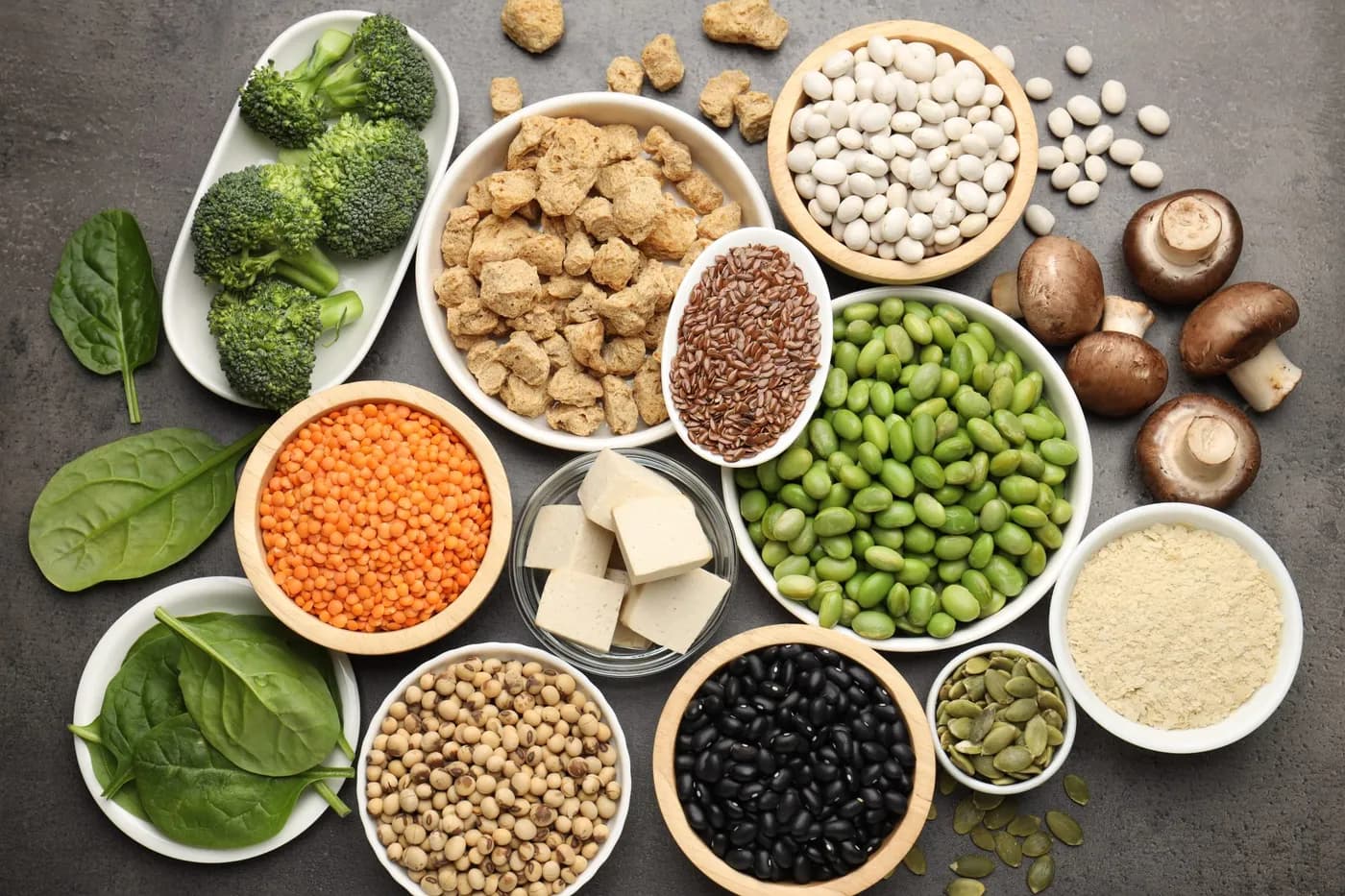
Key Takeaways
- Soybeans/soya chunks are the richest plant protein source at 52g per 100g dry.
- A bowl of cooked dal (150g) provides roughly 9-12g of protein.
- Sprouting lentils before cooking boosts both protein availability and digestibility.
- Vegans can rely on tofu, soy milk, and soya chunks for a complete protein.
- A high-protein breakfast like moong dal chilla can provide 15-20g to start the day.
If you’re vegetarian and worried about hitting your protein targets, this list of high protein vegetarian foods will put your mind at ease. From everyday dals to paneer, tofu, soy, and dairy, Indian kitchens are already full of excellent options — you just need to know how to combine them right.
High Protein Vegetarian Foods: Quick List
Here are some of the best vegetarian protein sources, with approximate protein per 100g (cooked/raw as noted):
- Soybeans/soya chunks – 52g per 100g (dry) — the richest plant based sources of protein
- Paneer – 18g per 100g
- Tofu – 8-15g per 100g depending on firmness
- Moong dal, masoor dal, chana dal – 24-25g per 100g (dry)
- Rajma and chickpeas – 19-23g per 100g (dry)
- Greek yogurt/hung curd – 10g per 100g
- Milk – 3.4g per 100ml
- Quinoa – 14g per 100g (dry), a complete protein
- Peanuts and almonds – 25-26g per 100g
- Chia and pumpkin seeds – 19-24g per 100g
- Sprouted moong and lentils – naturally boosted protein and easier to digest
These high protein foods vegetarian eaters can rely on daily cover every meal of the day, from breakfast to dinner.
Dals, Legumes, and Veggies Rich in Protein
Dals are the backbone of any Indian vegetarian protein plan. A single bowl of dal (150g cooked) gives you roughly 9-12g of protein, and pairing it with rice or roti creates a more complete amino acid profile. Beyond dals, several veggies rich in protein deserve a place on your plate — peas (7-8g per 100g), spinach (3g per 100g), sweet corn, and broccoli all add meaningful amounts when eaten in quantity alongside your main protein sources.
Sprouting lentils and legumes before cooking increases both protein availability and digestibility, which is especially useful if you often feel bloated after a heavy dal meal. Dals alone make up one of the most reliable high protein vegetarian foods you can lean on daily.
Dairy, Soy, and Nuts: Concentrated Protein Sources
Paneer, curd, and milk remain the most accessible high protein vegetarian foods for most Indian households, since they’re already part of daily cooking. For those following a vegan diet, soy products are the single great source of protein for vegans — tofu, soy milk, and soya chunks all deliver a genuinely high, complete protein content, without any dairy.
Nuts and seeds won’t replace a full meal, but a handful of almonds, peanuts, or roasted chana as a snack adds 6-8g of protein with minimal effort. Quinoa and buckwheat are useful grain swaps that quietly raise the protein content of your regular meals. Rotating between these high protein vegetarian foods keeps your plate varied and your protein intake steady.
Photo: CSIRO, CC BY 3.0, via Wikimedia Commons
Building a High Vegan Protein Breakfast
Mornings are where most people fall short. A high vegan protein breakfast could include a bowl of moong dal chilla, tofu bhurji, or soy milk with oats and chia seeds — each easily providing 15-20g of protein to start your day. If you eat dairy, poha with peanuts and curd, or a paneer paratha, works just as well.
The best protein diet for vegetarians isn’t about one “magic” food — it’s about combining dals, dairy, and soy across meals so your total daily intake adds up, rather than relying on a single source. That’s really what makes a good mix of high protein vegetarian foods work over time.
If you’re not sure exactly how many grams you’re aiming for, our daily protein requirement guide walks through the calculation by body weight and goal. And if you’re deciding whether a scoop of powder is worth adding on top of all this, our whey vs plant protein comparison and protein in soya chunks breakdown cover two of the most common questions that come up next.
Common Mistakes When Eating High Protein Vegetarian Foods
A few habits quietly limit how well these high protein vegetarian foods work for you:
- Eating protein at only one meal: Loading up on paneer at dinner but skipping protein at breakfast and lunch makes it harder to hit your daily target, even if the dinner portion looks generous.
- Skipping legumes because they take longer to cook: Dal and rajma are some of the most affordable high protein vegetarian foods available, and batch-cooking a large pot on the weekend solves the time problem.
- Assuming all “protein snacks” are equal: Many packaged vegetarian protein bars and chips are mostly starch with a small protein boost — checking the label matters more than trusting the front-of-pack claim.
- Not pairing grains with legumes: Dal with rice or roti creates a more complete amino acid profile than either eaten alone, one of the simplest upgrades to a vegetarian plate.
- Undereating overall: Even a diet built entirely around high protein vegetarian foods won’t meet your target if total meal portions are too small.
How Much Protein Do Vegetarians Actually Need?
Most adults need roughly 0.8-1g of protein per kilogram of body weight daily for general health, rising to 1.2-1.6g per kilogram if you’re strength training regularly. A 60kg vegetarian aiming for the higher end needs about 72-96g of protein a day — achievable through 2-3 servings of dal, a portion of paneer or tofu, a glass of milk, and a small handful of nuts spread across meals. Spreading high protein vegetarian foods evenly across breakfast, lunch, and dinner, rather than saving them all for one meal, makes hitting this number far more realistic. For a more precise, personalised number based on your weight and activity level, see our daily protein requirement guide.
Frequently Asked Questions
Related Articles
Protein rich vegetarian foods: the perfect plate habit
Learn how protein rich vegetarian foods support energy, strength and fullness. Use the perfect plate habit with greens, grains and protein.

Protein-rich vegetarian foods: 1/4th plate habit
Explore protein, carbohydrates, healthy fats and meal planning for strength training, muscle building and recovery.

Iron rich foods need protein: 1/4th plate habit
Eating iron rich foods is important, but protein helps your body use iron better. Learn the 1/4th plate protein habit with simple vegetarian foods.