
Home Remedies for Pimples: What Helps and What Can Harm Skin
Acne forms when pores become blocked and inflamed, and hormones, oil production, bacteria and genetics can all contribute to it. Learn what helps.
Key Takeaways
- Wash gently no more than twice daily and after heavy sweating.
- For mild acne, ingredients such as benzoyl peroxide, salicylic acid or adapalene may help.
- Introduce one active product at a time and allow several weeks for improvement.
- Avoid toothpaste, lemon juice, baking soda and undiluted essential oils.
- Painful lumps, scarring or persistent acne should be assessed by a dermatologist.
Pimples are common, but the urge to fix them overnight can lead to harsh experiments that leave skin red, dry or darker than before. Effective home remedies for pimples is usually simple: cleanse gently, use one proven treatment consistently, moisturise and protect the skin from the sun.
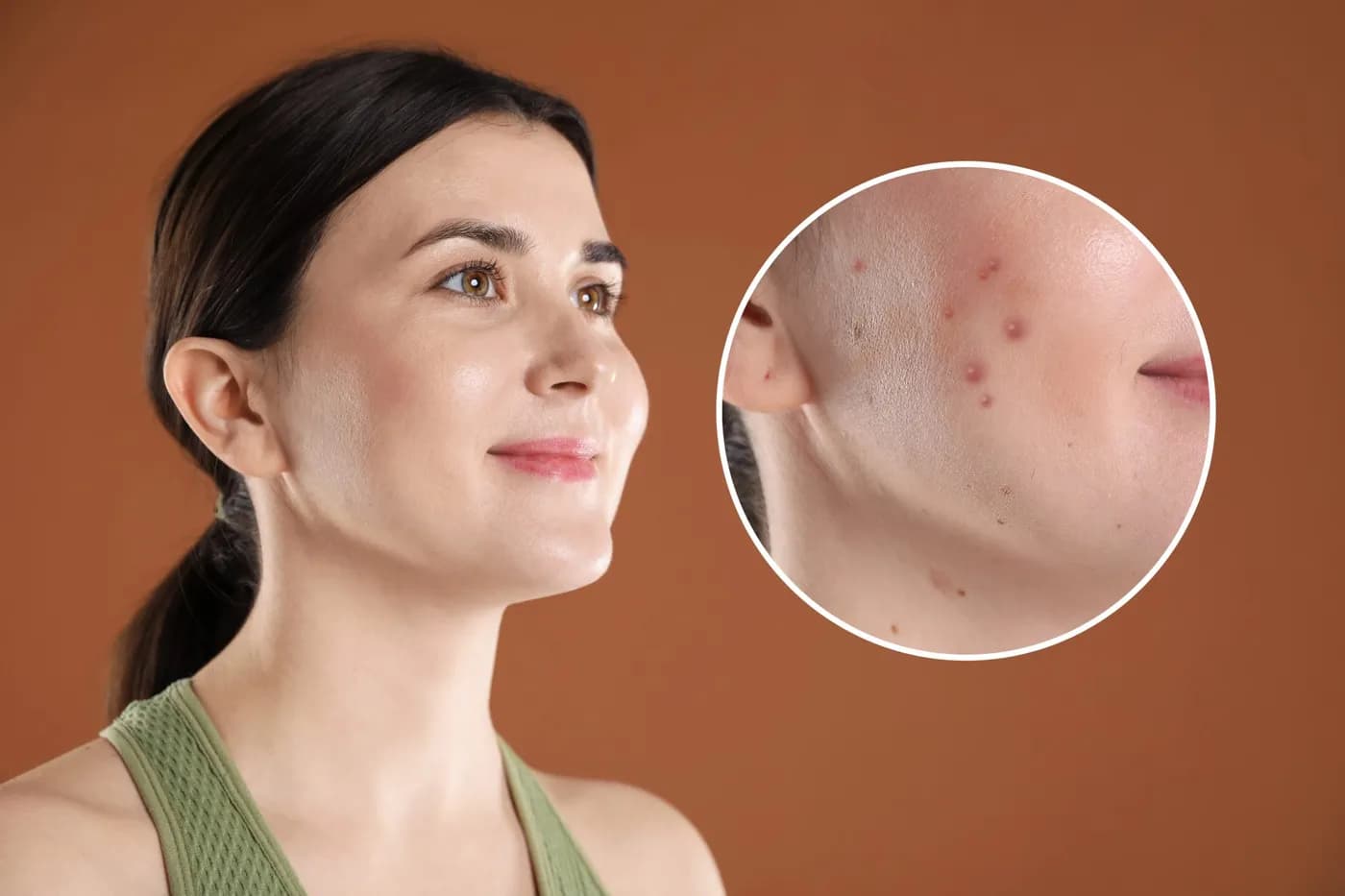
Acne develops when hair follicles become blocked with oil and dead skin cells. Hormones, inflammation, genetics, some medicines and certain skin or hair products may contribute. It is not caused by dirty skin, and scrubbing harder will not clear it faster.
A gentle daily routine
Cleanse without scrubbing
Wash acne-prone areas in the morning and evening with lukewarm water and a mild, non-abrasive cleanser. Use clean fingertips rather than a rough scrub, brush or loofah. Washing repeatedly can strip the skin barrier and increase irritation without removing the blockage inside a pore.
After exercise, rinse or shower when practical and change out of sweaty clothing. Keep oily hair products away from the forehead and remove make-up before bed. Choose products labelled non-comedogenic or oil-free. These are less likely to clog pores, although no label guarantees that every product will suit every person.
Use a light moisturiser and sunscreen
Acne-prone skin still needs moisture. A fragrance-free, non-comedogenic moisturiser can reduce dryness caused by acne treatments and may make it easier to continue them.
During the day, use a broad-spectrum, non-comedogenic sunscreen. Sun exposure does not cure acne and can make post-acne dark marks more noticeable.
Treatments that may help mild pimples
Over-the-counter treatments generally have better evidence than kitchen remedies. Read the label, start slowly and apply the product to the acne-prone area rather than repeatedly dabbing several ingredients on one spot. Using too much can cause peeling or burning.
Benzoyl peroxide
Benzoyl peroxide reduces acne-causing bacteria and inflammation and can help inflamed pimples. Lower-strength products may be easier to tolerate.
Begin with a thin layer on alternate days if your skin is sensitive, then follow the label or a clinician’s advice. It may bleach towels, pillowcases, hair and clothing.
Salicylic acid
Salicylic acid helps clear dead skin cells from pores and may be useful for blackheads and whiteheads. It is available in cleansers and leave-on products.
Choose one format initially. Combining it immediately with scrubs or several other active ingredients can irritate the skin.
Adapalene
Adapalene is a topical retinoid that helps prevent clogged pores. A pea-sized amount is usually spread across the acne-prone area at night rather than used only on visible spots.
Dryness or mild irritation can occur at first, and improvement takes time. Retinoids are not suitable during pregnancy unless specifically advised by a qualified clinician.
Azelaic acid
Azelaic acid can help acne and the dark marks left after spots in some people. It may sting initially. Availability and appropriate strength vary, so a pharmacist or dermatologist can help you choose a suitable product.
Do natural remedies work?
The evidence for most home remedies for pimples is limited. A professionally formulated tea tree oil gel may help some people with mild acne, but it can still cause irritation or allergy. Never apply undiluted tea tree or another essential oil directly to the skin.
Plain aloe vera gel may feel soothing, but it is not a reliable stand-alone acne treatment. Choose a simple formulation and patch-test it first.
Ice wrapped in a clean cloth may briefly ease the discomfort of an inflamed spot, but it will not unclog pores or prevent future acne. Do not apply ice directly to the skin.
Popular remedies that can harm skin
Toothpaste is made for teeth, not facial skin. Its abrasives, flavouring and whitening ingredients can cause dryness and irritation without treating the causes of acne.
Lemon juice and apple cider vinegar are acidic and may burn the skin, especially when sunlight is involved. Baking soda is alkaline and can disrupt the skin barrier.
Harsh sugar or salt scrubs create friction and can worsen redness. Garlic, cinnamon and undiluted essential oils may also cause burns or allergic reactions.
Avoid popping or squeezing spots. This pushes inflammation deeper and increases the chance of infection, scarring and long-lasting dark marks.
How to start safely
- Patch-test a new product on a small area according to its label.
- Introduce only one active ingredient at a time.
- Start less frequently if the product is drying, then increase only if tolerated.
- Keep the rest of the routine gentle and avoid physical scrubs.
- Take a photo in similar lighting every few weeks instead of judging the skin daily.
Acne treatment is gradual. Some products may take six to eight weeks to show a meaningful difference, and fuller improvement can take longer.
Stop using a product and seek urgent medical help if you develop facial or throat swelling, breathing difficulty, faintness or widespread hives.
Do food and lifestyle matter?
No single food causes acne in everyone, and there is no universal acne-clearing diet. Some research links high-glycaemic eating patterns with acne, but changing food alone may not be enough.
Eat regular, balanced meals and notice personal patterns without cutting out several food groups unnecessarily.
Stress does not create every pimple, but it may worsen breakouts in some people. Sleep, movement and a manageable routine can support general wellbeing. Habuild’s everyday wellness approach can help you build consistent habits without treating yoga or diet as a cure for acne.
When to see a dermatologist
Seek professional care if you have painful nodules or cysts, spreading inflammation, scarring or dark marks that concern you.
Also get help if acne:
- Persists despite consistent over-the-counter care
- Begins suddenly
- Continues to worsen
- Causes scarring
- Affects your confidence or mental wellbeing
Earlier treatment can reduce the risk of permanent scars.
A clinician can confirm whether the problem is acne or another condition, such as rosacea, folliculitis or perioral dermatitis. Pregnancy, breastfeeding, other medicines and conditions such as polycystic ovary syndrome can also change which treatment is appropriate.
Frequently Asked Questions
Related Articles
Home Remedies for Insomnia: Natural Ways to Sleep Better
Home remedies for insomnia work best for mild, occasional sleeplessness, not as a fix for long-standing insomnia. See the habits and natural remedies with real evidence behind them.

How to Get Fit at Home: A Complete Guide for Beginners
Getting fit at home doesn’t require a gym membership, expensive equipment, or hours of free time — a structured routine can gradually build strength and.

How to Get Bigger Forearms at Home: 10 Best Exercises
Forearms are one of the most visible and most neglected muscle groups — no gym or heavy dumbbells needed to build them. See 10 best exercises to train.