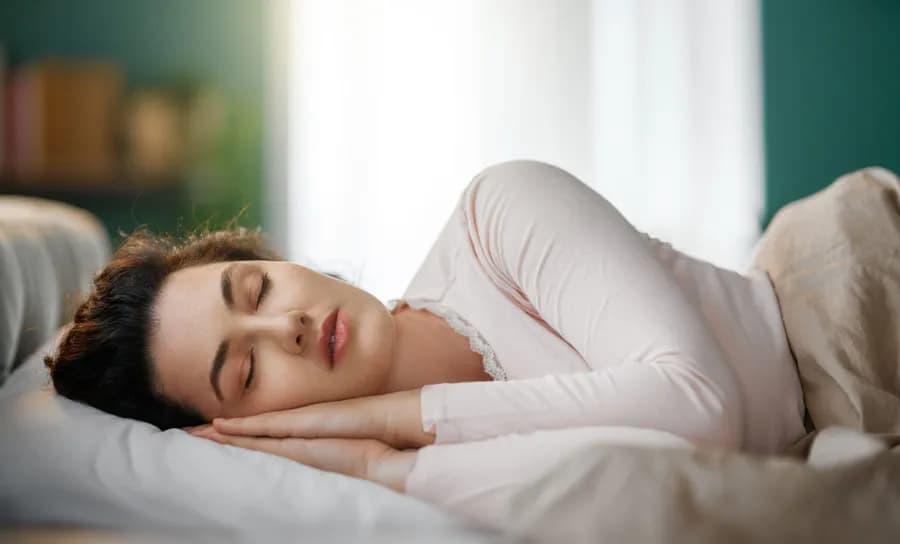
Home Remedies for Insomnia: Natural Ways to Sleep Better
Home remedies for insomnia work best for mild, occasional sleeplessness, not as a fix for long-standing insomnia. See the habits and natural remedies with real evidence behind them.

Key Takeaways
- States home remedies work best for mild, stress-related sleeplessness, not chronic insomnia.
- Recommends stacking two or three remedies together rather than expecting one alone to work.
- States anecdotes like ‘chamomile cured my insomnia’ rarely replicate for others trying it alone.
- Names magnesium glycinate specifically as having reasonable evidence for nervous-system relaxation.
- Recommends journaling to offload racing thoughts specifically when stress is the main driver.
- States a heavy meal within 2-3 hours of bed forces digestion to compete with the wind-down process.
Home remedies for insomnia work best for mild, occasional, or stress-related sleeplessness — the kind most people experience at some point — rather than as a fix for long-standing, chronic insomnia, which usually needs a more structured medical approach.
Foundational home remedies for insomnia
- A consistent sleep and wake schedule, even on weekends, which is one of the single most effective home remedies for insomnia and often overlooked
- A dark, cool, quiet bedroom, reserved for sleep rather than work or scrolling
- Cutting caffeine after early afternoon, since its effects can linger into the evening
- A calming wind-down routine, whether that’s reading, gentle stretching, or breathing exercises, done consistently at the same time each night
Ashwagandha herb, a natural home remedy for insomnia
Why some home remedies for insomnia work better in combination
Rather than picking a single remedy and expecting it to solve sleeplessness alone, most people find better results stacking two or three complementary home remedies for insomnia at once — for instance, a consistent schedule plus a calming herbal tea plus a wind-down breathing routine addresses the timing, the nervous system, and the ritual aspects of sleep simultaneously, rather than any one lever doing all the work. This compounding effect is part of why isolated anecdotes (“chamomile tea cured my insomnia”) often don’t fully replicate for other people trying the same single remedy in isolation — the original result may have come from several habits changing together, not the tea alone.
Natural remedies for sleeplessness worth trying
- Chamomile tea — mildly calming, backed by some real evidence for easing anxiety-linked sleeplessness
- Ayurvedic herbs like ashwagandha and jatamansi — used traditionally for insomnia, with a growing evidence base for stress-related sleep trouble; see ayurvedic medicine for sleep for more detail
- Breathing techniques like 4-7-8 breathing — directly calm the nervous system, useful for racing-mind insomnia specifically
- Magnesium, particularly magnesium glycinate — supports the nervous system’s ability to relax, with reasonable evidence behind it
Tips for insomnia when stress is the main driver
If stress or a racing mind is what’s keeping you up, home remedies for insomnia that address the nervous system directly tend to work better than ones that just optimise the bedroom environment. A brief journaling practice to offload racing thoughts before bed, a calming breathing routine, or a guided relaxation practice all target this specific cause more directly than a change in mattress or blackout curtains would.
Diet and food-timing home remedies for insomnia
Beyond specific foods or teas, the overall pattern of eating affects sleep more than most people realise. A large, heavy meal within 2-3 hours of bed forces digestion to compete with the body’s natural wind-down process, while going to bed genuinely hungry can also disrupt sleep — a small, easily digestible snack (like a banana or a small bowl of warm milk) closer to bedtime often works better than either extreme. Reducing sugar and refined carbohydrates in the evening specifically helps avoid the blood sugar swings that can cause middle-of-the-night waking for some people. None of these food-timing adjustments work as fast as a medication would, but as part of a broader set of home remedies for insomnia, they compound with the other habits already covered.
Technology and environment adjustments as home remedies for insomnia
Modern sleep environments come with disruptions previous generations didn’t face, making a few technology-specific home remedies for insomnia worth adding to the traditional list: using night-mode or blue-light filters on all screens after sunset, keeping phones outside the bedroom entirely (or at minimum, face-down and on silent) to remove the temptation of late-night scrolling, and using a proper alarm clock instead of a phone so there’s no reason to have a screen within reach at 3am. These changes address a genuinely modern category of sleep disruption that older home remedies simply didn’t need to account for.
How to cure insomnia when home remedies aren’t enough
If you’ve consistently tried the above for several weeks without meaningful improvement, or if sleeplessness has become a near-nightly pattern lasting a few months, that’s the point where home remedies for insomnia should be paired with — not replaced by — professional support. Persistent insomnia responds best to structured treatment like CBT-I, which addresses it more thoroughly than home approaches alone typically can.
Frequently Asked Questions
Related Articles

Sleeping Mudra: Best Hand Gestures to Fall Asleep Faster
Practice Sleeping Mudra with Habuild. Follow the best sleep hand gesture steps to relieve insomnia, calm the mind, and promote deep restful sleep. Start today!

How to Sleep Better at Night: 8 Proven Habits for Deeper, More Restful Sleep
Sleep quality is highly responsive to a few specific evening habits — no medication, expensive devices, or complicated protocols required. See all 8 proven habits.