
Homemade Protein Shake Without Protein Powder: Easy Indian Recipe
Blend milk or curd, peanut butter, oats, banana and seeds for a filling shake without protein powder, plus sattu, tofu and paneer variations.

Key Takeaways
- You can make a filling shake from milk, curd, peanut butter, oats and seeds, with no powder.
- ICMR-NIN sets the protein RDA for healthy Indian adults at 0.83 g per kg of body weight a day.
- Whole foods bring fibre, vitamins and minerals along with protein, which powders often lack.
- Sweeten only with ripe banana or dates. Skip sugar, honey and flavoured syrups.
- A shake works best as a breakfast or post-workout snack, not as an extra on top of full meals.
Protein shakes are everywhere now, from gym counters to grocery shelves. Most of them start with a tub of powder. But you do not need one. A homemade protein shake made with milk or curd, peanut butter, oats, banana and seeds is creamy, filling and costs a fraction of the price.
This recipe uses ingredients you already have in the kitchen. It is a good option for busy mornings, after a walk or a yoga session, or for anyone who finds it hard to get enough protein from a mostly cereal-based vegetarian diet. We also share four easy variations, including a desi sattu shake.
Source: ICMR-NIN – A Brief Note on Nutrient Requirements for Indians (2020)
Why a homemade protein shake is a healthy choice
A shake made from whole foods gives you protein along with fibre, healthy fats and natural sweetness from fruit. You know exactly what goes into the glass, and there are no thickeners, sweeteners or flavourings.
Helps you meet your daily protein needs
The ICMR-NIN 2020 nutrient requirements set the Recommended Dietary Allowance for protein at 0.83 g per kg of body weight per day for healthy Indian adults. For their reference sedentary man of 65 kg, that is about 54 g a day, and for a sedentary woman of 55 kg, about 46 g. The same note says that people eating a cereal-based diet with lower-quality protein may need about 1 g per kg. Many vegetarian diets lean heavily on roti and rice, so adding milk, curd, nuts and pulses can help close the gap.
Whole foods first, powder optional
Harvard's Nutrition Source points out that protein comes in a "package" with fats, fibre and other nutrients, and that this package matters for health. It also notes that protein powders are not regulated for safety by the US FDA and may contain added sugars, sweeteners and thickeners. That does not make every powder bad, but for most people, whole foods can cover daily protein needs without one.
Fibre and steady energy
Oats, banana and seeds add fibre, which can slow digestion and help you feel full for longer. Peanut butter brings healthy fats and more protein. Together they make a shake that is far more satisfying than a glass of plain milk and may help you avoid a mid-morning biscuit break.
Ingredients for a homemade protein shake

Prep time: 5 minutes | Cook time: None | Serves: 2 | Difficulty: Easy
This recipe serves 2.
- 1½ cups toned milk (or 1 cup milk + ½ cup thick curd)
- 2 tablespoons unsweetened peanut butter
- 4 tablespoons rolled oats
- 1 ripe banana
- 1 tablespoon chia seeds or ground flax seeds
- A pinch of cinnamon or elaichi powder
- 3–4 ice cubes (optional)
Choosing your ingredients
Pick peanut butter with only peanuts and maybe a little salt on the label. Many brands add sugar and hydrogenated oils. Rolled oats blend smoothly, and you can dry-grind them first for a silkier shake. Toned or double-toned milk keeps it lighter than full-cream milk, while curd makes it thicker and adds a gentle tang. Learn more about the benefits of chia seeds if you are new to them.
Healthy swaps
If you are lactose intolerant, use lactose-free milk or unsweetened soy milk. If you have a peanut allergy, use a spoon of soaked almonds or roasted pumpkin seeds instead. If the banana is not sweet enough, add one soft date, but keep it to one.
How to make a homemade protein shake
- If using chia seeds, soak them in 2 tablespoons of water for 10 minutes.
- Add the oats to a blender and pulse to a coarse powder.
- Add the milk (and curd if using), peanut butter, banana and cinnamon.
- Add the soaked chia or ground flax seeds.
- Blend for 30–45 seconds until smooth and creamy.
- Add ice or a splash of cold water if it is too thick, blend again and pour into two glasses.
The shake should be thick but drinkable. If it feels heavy, add a little more milk or water. If you like it chilled without ice, keep the milk and banana in the fridge the night before. Drink it fresh, since oats and chia thicken the shake further as it sits.
How to eat it for better health
The best time for this shake is breakfast, or within an hour after your morning walk, yoga or strength session. It also works as a mid-morning or evening snack when lunch or dinner is a long way off. For more ideas on starting the day well, see our list of protein-rich breakfast options.
One glass, which is half this recipe, is a sensible portion for most adults. Treat it as a meal or a snack, not as an extra glass alongside a full breakfast, because nut butter, banana and milk add up in calories. If you are watching your weight, use toned milk, keep the peanut butter to one level spoon per glass and skip the date.
If you have diabetes, use half a banana or a small apple instead, avoid dates and check your blood sugar the first few times.
Tips, variations and storage
Sattu shake
Whisk 4 tablespoons of sattu (roasted chana flour) into 1½ cups of chilled water or thin buttermilk with a pinch of roasted jeera powder, black salt and lemon. This is a savoury, cooling summer drink from Bihar and eastern India, and since sattu is made from a pulse, it brings plant protein and fibre.
Soy milk and tofu shake
Blend 1½ cups unsweetened soy milk, 100 g silken or soft tofu, 1 banana and a pinch of cocoa or cinnamon. Harvard's Nutrition Source lists soy as a complete protein, with about 7 g of protein in a cup of soy milk. Read more about tofu benefits for vegetarians.
Paneer and fruit shake
Blend 50 g fresh paneer, 1 cup milk and 1 cup chopped papaya or mango with a pinch of elaichi. Paneer blends smoothly when fresh and soft, and it makes the shake thick, like a lassi.
Storage and sugar caution
A homemade protein shake is best drunk within 30 minutes. If you must store it, keep it covered in the fridge and use it the same day. Avoid adding sugar, honey, jaggery or chocolate syrup. The WHO recommends keeping free sugars, which include honey and fruit juices, below 10% of daily energy, and ideally below 5%.
Who should be careful
People with peanut, tree nut, seed, milk or soy allergies should swap or skip those ingredients. Those with kidney disease may need to limit protein and high-potassium foods like banana, so follow your doctor's advice. If you take diabetes medicines, keep the fruit portion small. If you have a thyroid condition, discuss regular soy intake with your doctor. If you have coeliac disease, choose oats labelled gluten-free.
How Habuild can help
Habuild's live yoga and fitness sessions, together with mindful eating habits like a planned, protein-rich breakfast, can support a healthy and active lifestyle.
Editorial Sources
- ICMR-NIN – A Brief Note on Nutrient Requirements for Indians, the RDA and EAR (2020)
- Harvard T.H. Chan School of Public Health – Protein, The Nutrition Source
- Harvard T.H. Chan School of Public Health – Straight Talk About Soy, The Nutrition Source
- World Health Organization – WHO calls on countries to reduce sugars intake among adults and children (2015)
Health Disclaimer
This article is for general information only and is not medical advice. If you have diabetes, a kidney condition or any food allergy, please talk to your doctor or a registered dietitian before changing your diet.
Frequently Asked Questions
Related Articles
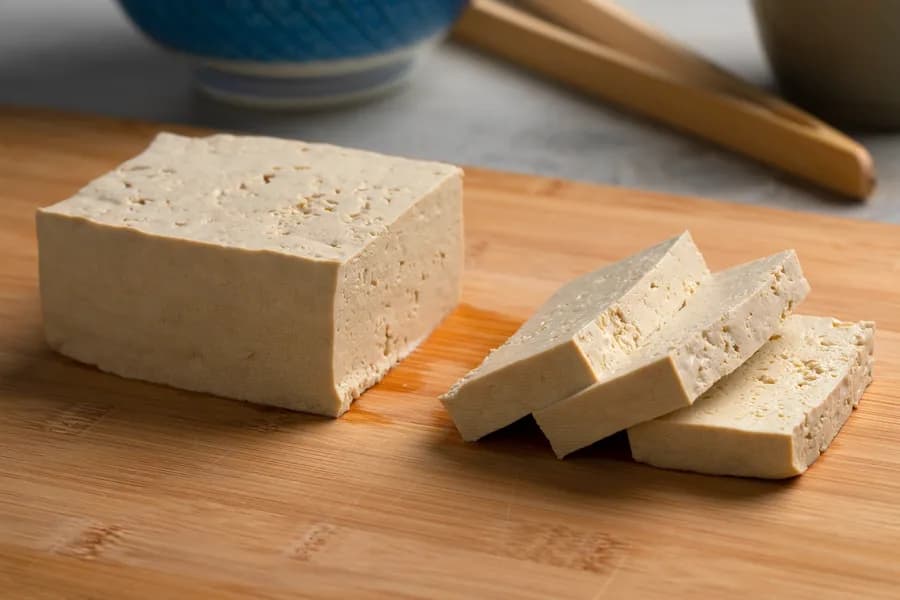
Tofu Benefits,: Protein, Calcium and Safe Use
A practical tofu guide: types, cooking tips, calcium-set versus other tofu, safe storage and who should avoid it because of soy allergy.

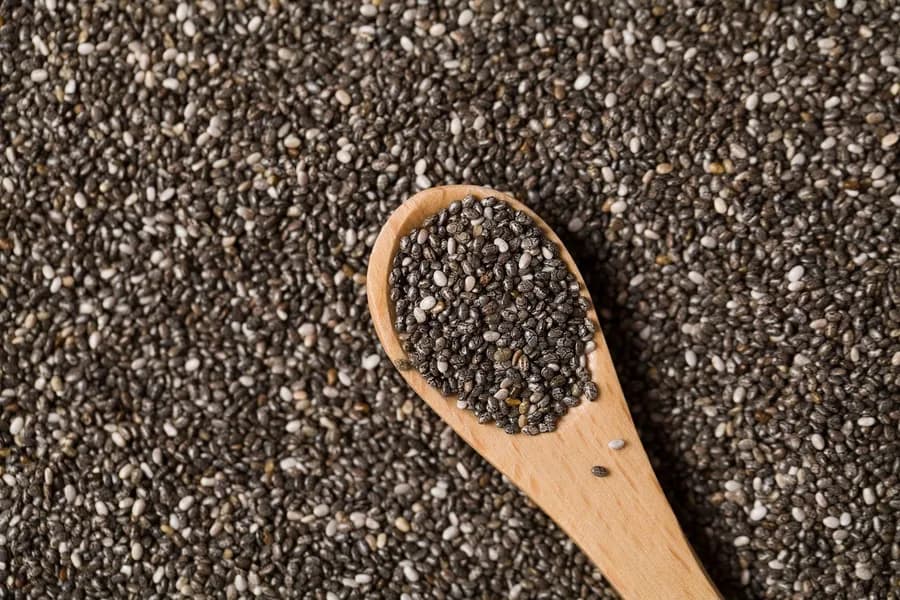
Chia seeds: benefits, nutrition and how to eat them
Chia seeds add fibre, healthy fats and minerals to meals. Learn their real benefits, safe use and simple ways to eat them.

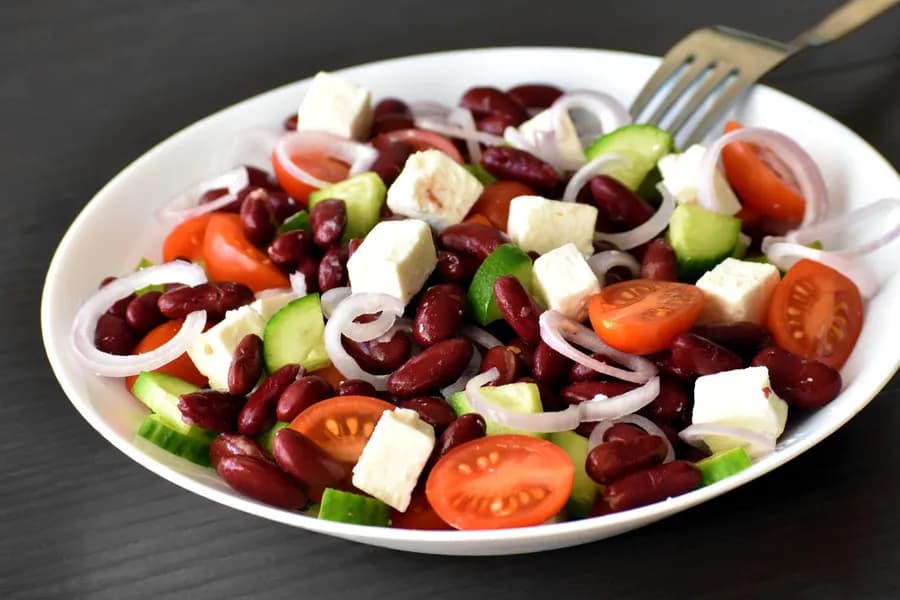
Protein-rich breakfast salad: simple vegetarian recipe
A protein-rich breakfast salad made with chickpeas, rajma, or sprouts, vegetables, peanuts, and hung curd is quick, filling, and easy to build from.