
Idli Nutrition Benefits: What Makes This Dish So Easy to Digest
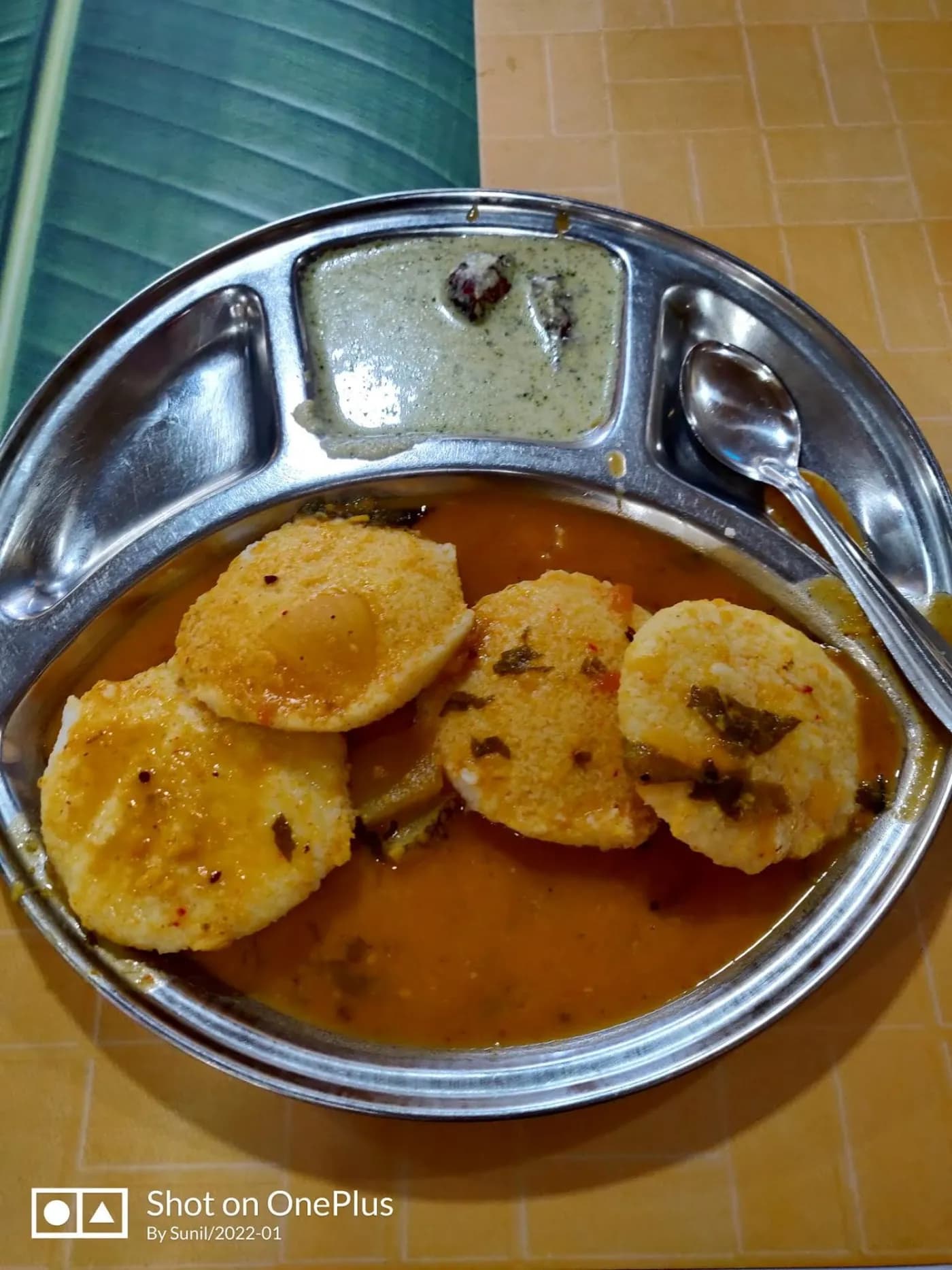
Idli comes from a batter of rice and urad dal left to ferment overnight, then steamed rather than fried — a combination that makes it easy to digest. See.
Key Takeaways
- Overnight fermentation partially pre-digests the batter before you even eat it.
- Rice and urad dal together form a more complete plant-protein profile than rice alone.
- Steaming means virtually no added oil, unlike dosa or uttapam.
- Often the first solid food recommended during recovery from illness or surgery.
- Fermentation also introduces a mild probiotic quality to the dish.
Idli nutrition benefits come down to a simple but clever process: a batter of rice and urad dal (split black gram) left to ferment overnight, then steamed rather than fried. That combination of fermentation and steaming is what sets idli apart from most other grain-based foods, and it’s a big reason this soft, white steamed cake has stayed a breakfast staple across South India for generations, and why it’s often the first solid food recommended to people recovering from illness or digestive upset. Once you understand the fermentation-plus-steaming combination, most of the idli nutrition benefits people talk about start to make a lot more sense.
Idli Nutrition Benefits: At a Glance
- Fermentation pre-digests part of the batter — the natural fermentation process breaks down some starches and proteins before you even eat it, easing the digestive load.
- Rice and lentils together form a fuller protein — urad dal contributes amino acids that rice lacks, giving idli a more complete plant-protein profile than rice alone.
- Steaming means virtually no added oil — unlike dosa or uttapam, idli is cooked with zero fat, keeping it naturally light.
- It’s gentle on sensitive stomachs — the soft texture and fermentation make idli a common recommendation during recovery from illness, post-surgery diets, or general digestive upset.
- Fermentation may modestly improve mineral availability — the process can reduce anti-nutrients like phytic acid in the batter, which may help the body absorb minerals like iron and zinc slightly better.
- It’s naturally low in calories per piece — a standard idli is a moderate-carbohydrate, low-fat food, though the calorie count adds up if paired with a heavily buttered accompaniment.
The Fermentation Process Behind Idli Nutrition Benefits
The overnight fermentation of idli batter isn’t just about getting a fluffy texture — it changes the food at a nutritional level. As the batter sits, naturally occurring yeasts and lactic acid bacteria feed on the starches in the rice and lentils, producing gas (which gives idli its characteristic sponginess) and mildly acidic byproducts. This fermentation partially breaks down complex carbohydrates and proteins into simpler forms, which is one of the central idli nutrition benefits: the food arrives at your plate partially “pre-digested,” asking less of your digestive system than an equivalent amount of unfermented rice and dal would. This is also why idli is so often the go-to food after a stomach bug, a fever, or a surgical recovery — it’s soft, low in fat, and simply easier on the gut than most other cooked-grain options. The fermentation process also introduces some beneficial bacteria, contributing a mild probiotic quality to the dish, similar in principle (though smaller in scale) to other fermented foods like curd or idli’s close cousin, dosa. This probiotic angle is one of the idli nutrition benefits that’s easy to overlook next to the more obvious ones like being steamed and low in fat.
Idli’s fermentation story is really part of a bigger South Indian pattern, one covered in more depth in our south Indian food guide, and it’s just one of many light, digestible options worth having on rotation — our Indian vegetarian breakfast recipes roundup has more ideas along the same lines.
Photo: VeenaNair, CC BY-SA 4.0, via Wikimedia Commons
Protein and Other Idli Nutrition Benefits
A single idli isn’t a protein powerhouse on its own, but the rice-and-urad-dal combination is smarter than it looks. Rice is low in the amino acid lysine, while urad dal is a good source of it, and pairing the two — as idli batter does by design — creates a more complete amino acid profile than either ingredient would provide alone. This is the same principle behind pairing rice with lentils in sambar, just concentrated into a single fermented dish. Beyond protein, idli offers a moderate amount of carbohydrate for steady energy, some fibre from the urad dal, and small amounts of B vitamins, partly generated during fermentation itself. It’s also naturally low in fat, since no oil is used in the steaming process — a meaningful point of difference from dosa, uttapam, or fried snacks, which absorb oil during cooking. For anyone tracking overall fat intake, three to four plain idlis make a substantially lighter meal than the equivalent amount of dosa — one of the simplest idli nutrition benefits to put into practice at an actual meal.
Getting the Most Out of Idli Nutrition Benefits
How you pair idli matters as much as the idli itself. A sambar or a vegetable-forward chutney adds fibre, additional protein, and micronutrients that idli alone doesn’t provide in large amounts, rounding the meal out nutritionally. On the other hand, idli soaked in generous ghee or paired only with a very oily chutney offsets some of its natural lightness. Using a portion of brown rice, millets, or added vegetables (like grated carrot or beetroot) in the batter is a simple way to add fibre and micronutrients without changing the basic preparation. Because idli is gentle and low-fat by nature, it also works well as an evening meal for people who prefer a lighter dinner, not just as a breakfast dish, which is really just another way the idli nutrition benefits carry through the whole day rather than only the morning.
Frequently Asked Questions
Related Articles

Healthy fats: why your body needs fat
Healthy fats help your body absorb vitamins and support brain, hormones, joints, cells and daily meals. Learn simple vegetarian sources and habits.

Good fats vs bad fats: choose fats wisely
Understand good fats vs bad fats in simple words. Learn which vegetarian fats to choose, what to reduce and how to read food labels better.
