
Immunity Boosting Foods: What Actually Supports Your Immune System
No single food boosts immunity beyond what your body can already do — what certain foods can supply is the vitamin C, zinc, protein, and gut support your.
Key Takeaways
- No single food boosts immunity beyond what the body can already do on its own.
- Vitamin C, zinc, and protein are the three nutrients doing most of the real work.
- A genuine deficiency in any of these impairs immune function – correcting it helps.
- A large share of immune activity happens in and around the gut.
- Be skeptical of ‘immunity shots’ promising dramatic, fast results without dietary context.
Search for immunity boosting foods and you’ll find long lists promising to “supercharge” your defenses overnight. The honest picture is more modest: no single food boosts immunity beyond what your body can already do, and no food prevents illness on its own. What certain foods can do is supply the specific nutrients — vitamin C, zinc, protein, and a healthy gut microbiome — that your immune system needs to function normally, day after day.
Immunity Boosting Foods at a Glance
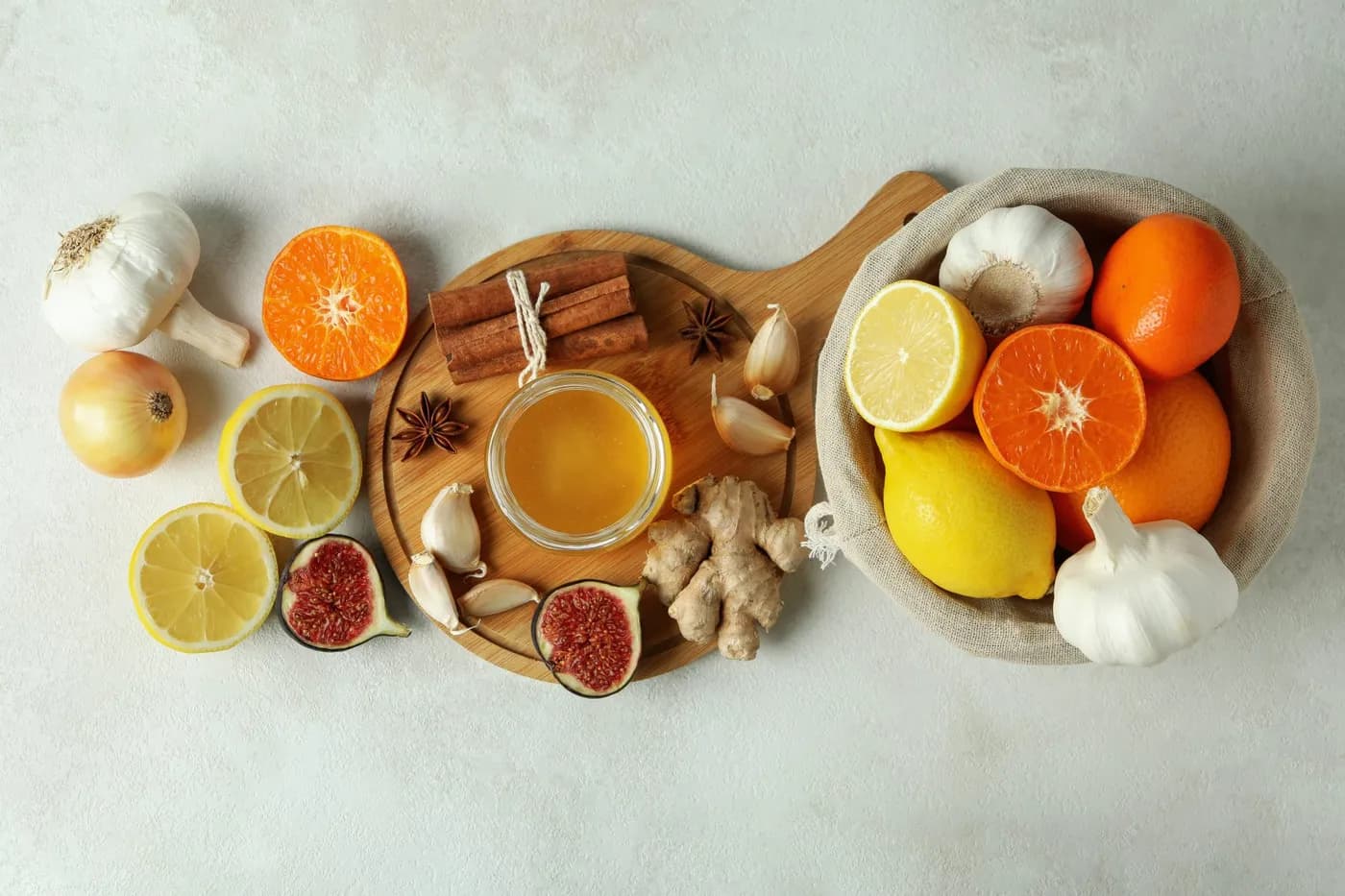
- Vitamin C sources — amla, citrus fruits, guava, bell peppers, and papaya
- Zinc sources — pumpkin seeds, chickpeas, cashews, and lentils
- Protein sources — dal, paneer, soy, tofu, and nuts, needed to build immune cells and antibodies
- Gut-supporting foods — curd, buttermilk, and fiber-rich vegetables and whole grains that feed beneficial gut bacteria
- Other useful nutrients — vitamin D (sunlight and fortified foods), iron (leafy greens, lentils), and selenium (nuts, seeds)
- What to be skeptical of — supplements or “immunity shots” claiming dramatic, fast results with no dietary context
Why No Food Actually “Boosts” Immunity
Your immune system isn’t a dial that goes higher with the right ingredient — it’s a complex network of cells, organs, and signaling molecules that works best when it has consistent access to the right building blocks. Framing any food as something that will “boost” or “supercharge” immunity oversimplifies how the system works and sets up unrealistic expectations. What the evidence actually supports is that specific, sustained nutrient deficiencies — low vitamin C, low zinc, low protein — impair normal immune function, and correcting those deficiencies through food helps the immune system work the way it’s designed to. That’s a meaningfully different claim from saying a food will prevent you from getting sick. It’s exactly why so many so-called immunity boosting foods get marketed with more confidence than the science actually supports.
Vitamin C, Zinc, and Protein: The Core Nutrients
Vitamin C supports the production and function of white blood cells and is found abundantly in amla, citrus fruits, guava, and bell peppers — foods that are easy to include daily rather than needing a supplement. Zinc plays a role in immune cell development and is present in pumpkin seeds, chickpeas, cashews, and lentils; a genuine zinc deficiency, more common in restrictive diets, is linked to weaker immune responses. Protein is often overlooked in this conversation, but antibodies and immune cells are literally built from amino acids, so inadequate protein intake — from dal, paneer, soy, or nuts — can leave the immune system under-resourced regardless of how many “superfoods” are added elsewhere. Vitamin C, zinc, and protein are the three nutrients doing most of the real work behind genuinely effective immunity boosting foods.
Gut Health and Immunity
A large share of the body’s immune activity happens in and around the gut, which is why gut health is a genuine, evidence-backed piece of the immunity conversation rather than a trend. Fermented foods like curd and buttermilk supply beneficial bacteria, while fiber-rich foods — vegetables, fruits with skin, whole grains, and legumes — feed the bacteria already living in your gut. A varied diet with regular fiber and fermented foods supports this ecosystem better than any single “immunity booster” ingredient could on its own. Curd, buttermilk, and fiber-rich produce are quietly some of the most useful immunity boosting foods precisely because they support the gut instead of just supplying a single vitamin.
Antioxidants play a similar supporting role alongside gut health and the vitamin C already mentioned above — Antioxidant Rich Foods covers which foods deliver that, and Vitamin C Benefits goes deeper into that specific nutrient on its own.
Photo: Tulsi leaves, CC BY-SA 4.0, via Wikimedia Commons
Building a Realistic Approach to Immunity Boosting Foods
The most useful way to think about immunity boosting foods is as ongoing nutritional support, not a fast fix during illness. Eating a variety of vitamin C and zinc sources, getting enough protein, sleeping adequately, managing stress, and staying physically active all contribute to normal immune function working as it should. None of these guarantee you won’t catch a cold or infection — that depends on exposure, your immune history, and factors outside of diet — but consistently meeting your nutrient needs gives your immune system the resources it needs to respond appropriately when it does encounter something.
Common Mistakes People Make Chasing Immunity Boosting Foods
A few habits undercut what genuinely works among immunity boosting foods. Relying on a single “superfood” or supplement while ignoring overall diet quality is the most common — no single ingredient compensates for a diet that’s consistently low in protein, vitamins, and fibre. Loading up on vitamin C alone while neglecting zinc and protein is another common imbalance, since immune function depends on several nutrients working together, not one hero ingredient. Turning to expensive “immunity shots” or powders during an active illness, expecting a fast fix, usually disappoints, since nutrition supports immune function over time rather than reversing an infection already underway. And cutting out entire food groups in the name of “boosting immunity” can backfire by creating new nutrient gaps instead of closing existing ones.
Myths vs Facts About Immunity Boosting Foods
- Myth: Certain foods can supercharge your immune system overnight. Fact: immunity boosting foods work by correcting or preventing nutrient gaps over time, not by delivering an instant defensive boost.
- Myth: More vitamin C is always better. Fact: beyond meeting your daily requirement, extra vitamin C from food doesn’t provide additional immune benefit — the body simply excretes what it doesn’t need.
- Myth: Immunity-boosting supplements work better than food. Fact: for most people without a diagnosed deficiency, whole immunity boosting foods provide the same nutrients alongside fibre and other compounds a supplement can’t replicate.
- Myth: You can eat your way out of an active cold or flu. Fact: good nutrition supports recovery and normal immune function, but no food shortens an illness that’s already underway on its own.
Who Should Pay Extra Attention to Immune-Supporting Nutrition
People following restrictive diets — whether for weight loss, medical reasons, or personal choice — should pay closer attention to whether their meals still include enough vitamin C, zinc, and protein, since these gaps are where immunity boosting foods matter most. Older adults, who often eat smaller portions and absorb some nutrients less efficiently, benefit from deliberately including protein and micronutrient-rich foods rather than assuming a smaller diet still covers their needs. And anyone recovering from illness or surgery should lean more heavily on protein and gut-supporting foods during that window, since the body’s nutrient demands rise during recovery even as appetite often falls.
Frequently Asked Questions
Related Articles
Protein rich vegetarian foods: the perfect plate habit
Learn how protein rich vegetarian foods support energy, strength and fullness. Use the perfect plate habit with greens, grains and protein.

Iron rich foods need protein: 1/4th plate habit
Eating iron rich foods is important, but protein helps your body use iron better. Learn the 1/4th plate protein habit with simple vegetarian foods.
Protein-rich vegetarian foods: 1/4th plate habit
Explore protein, carbohydrates, healthy fats and meal planning for strength training, muscle building and recovery.
