
Iodine Deficiency: Causes, Symptoms and Who’s at Risk
Iodine deficiency happens when the body doesn’t get enough iodine to make thyroid hormones — one of the most common, preventable nutrient gaps worldwide..
Key Takeaways
- Iodine deficiency limits thyroid hormone production, which regulates metabolism and growth.
- Inland and hilly regions often have iodine-poor soil, raising local deficiency risk.
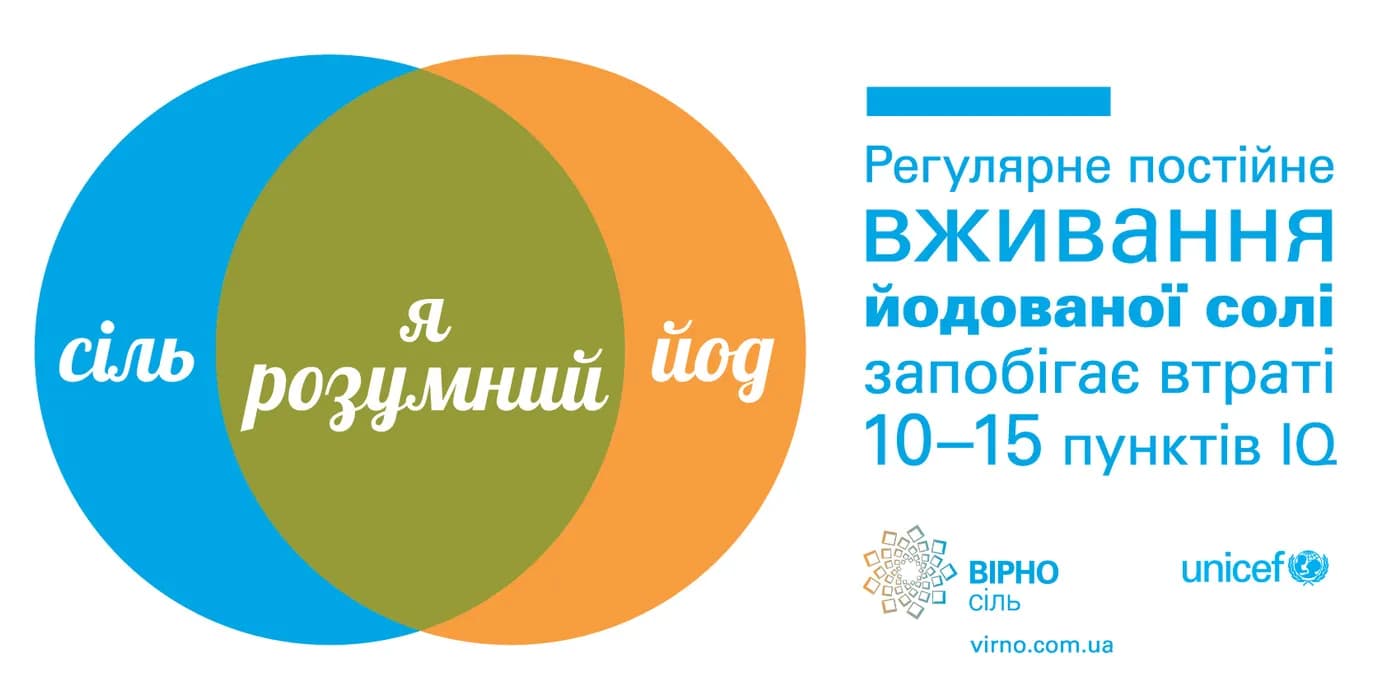
- Not all salt is iodised – rock salt, sea salt, and Himalayan salt often aren’t fortified.
- Goitre is the thyroid visibly enlarging as it struggles to trap scarce iodine.
- Pregnancy and breastfeeding significantly raise the body’s iodine requirements.
Iodine deficiency happens when the body doesn’t get enough iodine to make thyroid hormones, which the thyroid gland needs to regulate metabolism, growth and brain development. It’s one of the most common and preventable nutrient deficiencies worldwide, and in India, certain regions and diets still carry a real risk of it.
What is the main cause of iodine deficiency?
- Low dietary intake — simply not eating enough iodine-rich foods over time is the most common trigger
- Soil and water depletion — iodine occurs naturally in soil and sea water; inland and hilly regions (like parts of the Himalayan belt) often have iodine-poor soil, so locally grown food carries less of it
- Not using iodised salt — switching to non-iodised sea salt, rock salt or artisanal salts without checking the label
- Increased need — pregnancy and breastfeeding raise the body’s iodine requirements significantly
- Goitrogens — compounds in raw cruciferous vegetables (like cabbage, cauliflower) and soy can interfere with iodine uptake in very large amounts
Goitre is caused due to deficiency of iodine — how does that happen?
Goitre is caused due to deficiency of iodine in the diet, which forces the thyroid gland to work harder and enlarge as it tries to trap whatever iodine is available. This visible swelling in the neck is often the first and most recognisable sign that the body has been running low for a while, though it can also have other, less common causes.
Other signs that a lack of iodine leads to
Beyond goitre, iodine deficiency shows up in ways that are easy to miss because thyroid hormone touches nearly every system in the body:
- Fatigue and unexplained weight gain
- Feeling cold more easily than usual
- Dry skin and hair thinning
- Difficulty concentrating or brain fog
- In pregnancy, it can affect the baby’s brain and nervous system development — this is why doctors are especially careful about it during this stage
- In children, chronic shortfall can affect growth and learning
Photo: Couleur, CC0, via Wikimedia Commons
Who is most at risk of iodine deficiency
- People living in hilly or inland regions with iodine-poor soil
- Pregnant and breastfeeding women, due to higher iodine needs
- Those who avoid iodised salt in favour of alternatives without checking labels
- People on strict vegan diets with limited iodine-fortified foods or dairy substitutes
- Anyone eating large amounts of raw goitrogenic vegetables regularly
Common mistakes and myths
A few misconceptions make iodine deficiency easier to miss or dismiss:
- “Any salt is iodised salt” — not true; rock salt, sea salt and Himalayan pink salt are often not fortified with iodine unless labelled so.
- “Only people in remote areas are affected” — modern diets low in dairy, seafood and iodised salt can cause a shortfall anywhere, including cities.
- “Cooking destroys iodine, so it doesn’t matter what salt I use” — some iodine is lost with prolonged high heat, but using iodised salt in normal cooking still meaningfully contributes to daily intake.
If you’d rather build iodine into your diet more deliberately than just relying on the salt shaker, our iodine rich foods guide covers dairy, eggs and other reliable everyday sources, and pairing them with antioxidant rich foods rounds out a diet that supports thyroid health more broadly.
Who should be especially cautious
While mild iodine deficiency is common and usually manageable, certain groups need to take it more seriously. Pregnant and breastfeeding women should never try to self-correct suspected iodine deficiency without medical guidance, since both too little and too much iodine can affect the baby’s developing brain and nervous system. People with existing thyroid conditions — whether underactive or overactive — should get any suspected iodine deficiency evaluated by a doctor before changing salt or supplement intake, since thyroid disease changes how the body handles iodine. Anyone with a visible neck swelling, rapid heartbeat, or unexplained weight change alongside signs of iodine deficiency should get a thyroid function test rather than assuming it will resolve with diet changes alone. And people on strict vegan or salt-restricted diets (often for blood pressure reasons) should talk to a doctor about how to still get adequate iodine without relying on regular table salt.
A simple prevention checklist
Preventing iodine deficiency doesn’t require a complicated plan — a few consistent habits cover most of it. Check that the salt in your kitchen is labelled “iodised” rather than assuming any salt qualifies. Store it away from direct heat and moisture, since both can degrade iodine content over time. Add salt closer to the end of cooking rather than at the very start, to retain more of it. Include a serving of dairy most days, since milk, curd, and paneer contribute meaningfully to daily iodine intake alongside iodised salt. And if you’re pregnant, breastfeeding, or have any thyroid symptoms, get a simple blood test rather than guessing — catching iodine deficiency early makes it far easier to correct through diet alone.
Frequently Asked Questions
Related Articles

Healthy fats: why your body needs fat
Healthy fats help your body absorb vitamins and support brain, hormones, joints, cells and daily meals. Learn simple vegetarian sources and habits.

Good fats vs bad fats: choose fats wisely
Understand good fats vs bad fats in simple words. Learn which vegetarian fats to choose, what to reduce and how to read food labels better.
