
Iodine Rich Foods: The Best Dietary Sources of Iodine
Since the body can’t make iodine on its own, food is the only way to meet your daily needs. See the best dietary sources, from iodised salt to dairy.
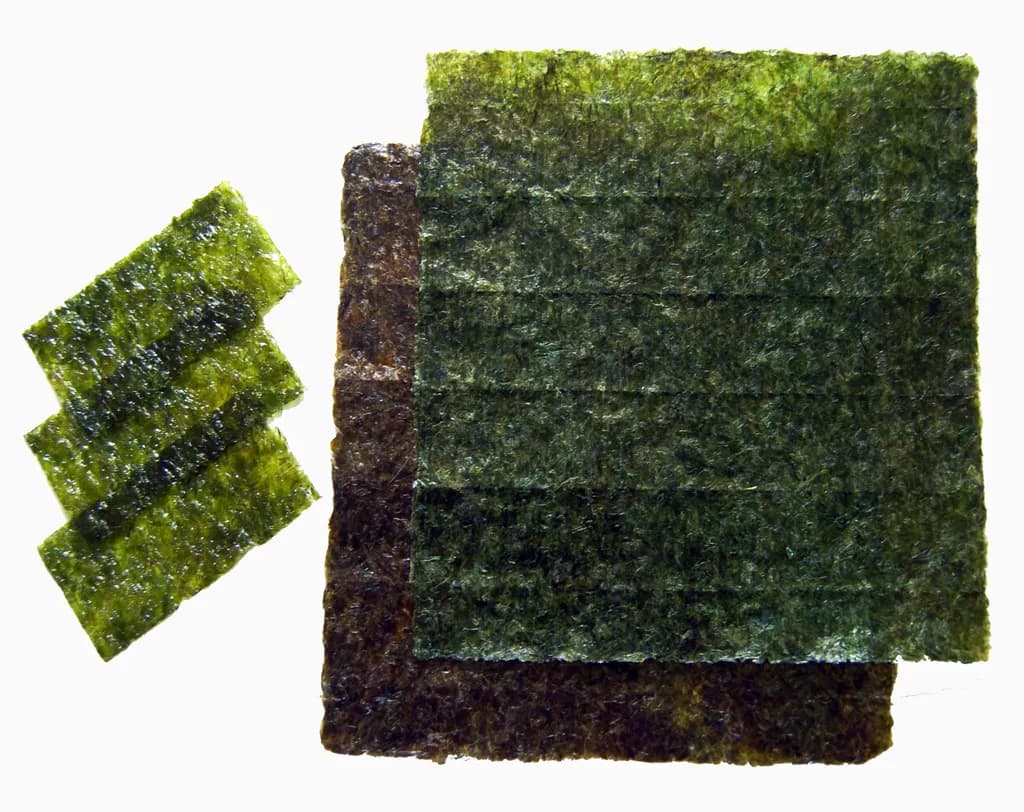
Key Takeaways
- Iodised salt does most of the heavy lifting for iodine in a typical Indian diet.
- Seaweed like nori and kelp is the most concentrated natural source, though less common here.
- Most adults need about 150 mcg daily, rising to 220-250 mcg in pregnancy.
- Prolonged high heat while cooking can reduce the iodine content of iodised salt.
- Too much iodine, like too little, can also disrupt thyroid function.
Iodine rich foods are the easiest way to meet your daily iodine needs without supplements, since the body can’t produce this mineral on its own. From iodised salt to dairy, eggs and seaweed, a few simple additions to an everyday Indian plate can cover most people’s requirements comfortably.
Best iodine rich foods at a glance
- Iodised salt — the single biggest source of iodine in most Indian households
- Dairy — milk, curd and paneer are reliable, commonly eaten sources
- Eggs — one egg carries a meaningful share of daily iodine needs
- Seaweed — nori and kelp are among the most concentrated natural sources of iodine, easy to add as sushi nori sheets, roasted seaweed snacks, or kelp powder stirred into soups, even though they’re less common in traditional Indian cooking
- Fortified foods — some breads and cereals are fortified with iodine
Sources of iodine in food, in more detail
Seaweed, like nori and kelp, tops the list of sources of iodine in food because iodine occurs naturally in ocean water and is absorbed by marine plants as they grow — a small amount added regularly can meaningfully boost intake. For non-coastal, vegetarian Indian households, though, iodised salt and dairy do most of the heavy lifting day to day, which is exactly why universal salt iodisation has been such an effective public health measure.
| Food | Approximate iodine per serving |
| --- | --- |
| Iodised salt (1g) | ~15-20 mcg |
| Milk (1 cup) | ~55-60 mcg |
| Curd (1 cup) | ~40-50 mcg |
| Egg (1 whole) | ~25 mcg |
| Seaweed/nori (1g dried) | varies widely, often 100+ mcg |
How much iodine you actually need
Most adults need around 150 mcg of iodine a day, rising to about 220-250 mcg during pregnancy and breastfeeding. This is a small amount, and a normal Indian diet built around a few iodine rich foods — iodised salt plus a serving or two of dairy or eggs — usually covers it without any special effort.
Photo: Alice Wiegand, CC BY-SA 3.0, via Wikimedia Commons
Common mistakes with iodine rich foods
- Using only non-iodised salt — rock salt, sea salt and gourmet salts are often not fortified, so relying on them exclusively can quietly lower intake over time.
- Over-boiling iodised salt in cooking — prolonged high heat can reduce iodine content somewhat; adding salt closer to the end of cooking helps retain more of it.
- Assuming a vegetarian diet automatically falls short — it doesn’t, as long as iodised salt and dairy are part of the routine.
- Overdoing seaweed supplements — too much iodine can also disrupt thyroid function, so more isn’t automatically better.
- Skipping iodine rich foods altogether on restrictive diets — cutting out salt, dairy and eggs without a substitute plan can quietly leave a gap.
If you’re not sure whether you’re actually falling short, our iodine deficiency guide covers the symptoms and risk factors worth watching for, and antioxidant rich foods is a good next stop once you’re building out the rest of your plate.
Who should be cautious with iodine rich foods
Most people can eat iodine rich foods freely without any special concern, but a few groups should be more deliberate. Anyone with an existing thyroid condition, whether underactive or overactive, should talk to a doctor before significantly increasing iodine rich foods or starting an iodine supplement, since thyroid disease changes how the body handles iodine and sudden large increases can sometimes worsen symptoms. People on salt-restricted diets for blood pressure reasons need a plan for getting enough iodine from dairy or other iodine rich foods, since cutting salt without a substitute can quietly create a gap. Pregnant and breastfeeding women have higher iodine needs and should get dietary guidance on iodine rich foods from their doctor rather than adjusting intake on their own. And anyone already taking an iodine supplement should avoid layering large amounts of seaweed-based iodine rich foods on top without medical advice, since excess iodine can be just as disruptive to thyroid function as too little.
Myths vs facts about iodine rich foods
Myth: You need seafood to get enough iodine. Fact: Iodised salt and dairy are the iodine rich foods that do most of the work in a typical vegetarian Indian diet — seafood is optional, not essential.
Myth: Sea salt and rock salt are naturally high in iodine. Fact: Unless specifically labelled “iodised,” these salts are usually not fortified, so they aren’t reliable iodine rich foods despite coming from the sea.
Myth: More iodine rich foods are always better for your thyroid. Fact: Iodine needs are modest, and consistently overdoing iodine rich foods or supplements can disrupt thyroid function just as much as too little.
Frequently Asked Questions
Related Articles
Protein rich vegetarian foods: the perfect plate habit
Learn how protein rich vegetarian foods support energy, strength and fullness. Use the perfect plate habit with greens, grains and protein.

Iron rich foods need protein: 1/4th plate habit
Eating iron rich foods is important, but protein helps your body use iron better. Learn the 1/4th plate protein habit with simple vegetarian foods.
Protein-rich vegetarian foods: 1/4th plate habit
Explore protein, carbohydrates, healthy fats and meal planning for strength training, muscle building and recovery.
