
Iron Deficiency Diet: What to Eat If You’re Low on Iron
An iron deficiency diet is about correcting a specific shortfall, not just eating healthy — iron-dense foods paired with nutrients that help you absorb.

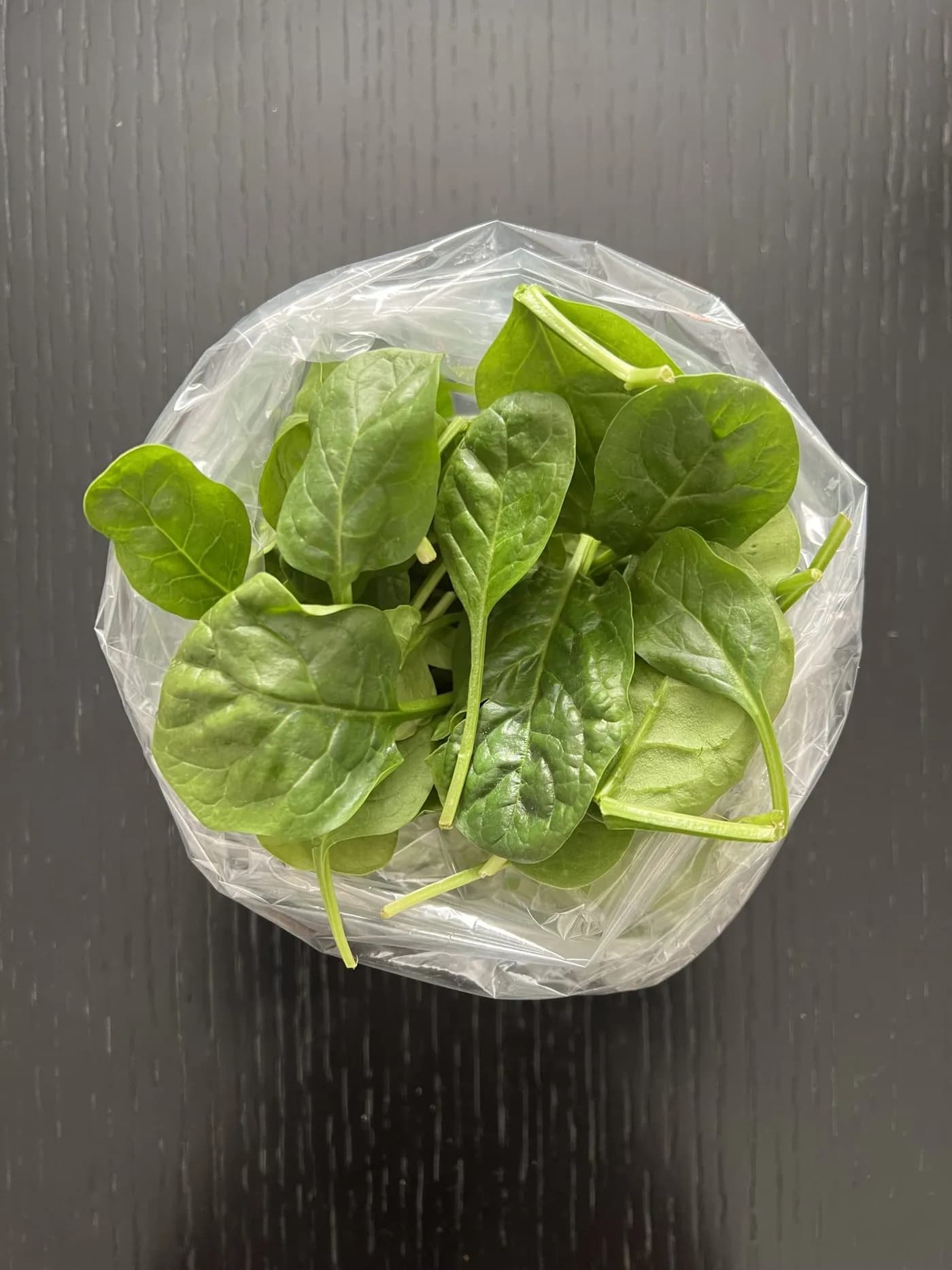
Key Takeaways
- Correcting a confirmed shortfall, not just general healthy eating.
- Fatigue, pale skin, and cravings for ice are signs worth checking with a blood test.
- Pairing iron-rich meals with vitamin C significantly boosts how much iron is absorbed.
- Reduce tea and coffee around mealtimes since tannins interfere with absorption.
- Dietary correction typically takes weeks to months, not days.
An iron deficiency diet is specifically about correcting a shortfall, not just general healthy eating — if you’ve been told you’re low on iron or notice symptoms like fatigue and pale skin, the priority is consistently eating iron-dense foods alongside nutrients that help you absorb them.
Signs you may need an iron deficiency diet
- Persistent tiredness or low energy, even after adequate sleep
- Pale skin, nails, or inner eyelids
- Shortness of breath during normal activity
- Frequent headaches or dizziness
- Brittle nails or unusual hair thinning
- Cravings for ice or non-food items (a less common but notable sign)
If several of these sound familiar, it’s worth getting a simple blood test rather than guessing — an iron deficient diet plan works best when you know your actual levels.
What to eat on an iron deficiency diet
Once low iron is confirmed, the focus shifts to foods that provide iron in meaningful amounts, eaten consistently rather than occasionally. Lentils, rajma, chickpeas, dark leafy greens, jaggery, sesame seeds, and pomegranate are all useful staples. For a fuller breakdown of specific foods and vegetarian options, see our iron rich foods guide — this article focuses specifically on correcting an existing deficiency rather than general sourcing. In short, an iron deficiency diet is about consistent iron intake paired with better absorption, not just occasional iron-rich meals.
Making an iron deficient diet actually work
Simply adding iron-rich food isn’t enough if absorption is poor. Pairing iron-rich meals with vitamin C — a squeeze of lemon, a side of amla, or citrus fruit — significantly boosts how much iron your body actually absorbs, which matters more when correcting a genuine deficiency. At the same time, it helps to reduce tea and coffee around mealtimes, since their tannins interfere with absorption, and this effect is more noticeable when your iron stores are already low. If a deficiency is significant, your doctor may also prescribe an iron supplement alongside dietary changes, since food alone can take longer to rebuild stores. Sticking to an iron deficiency diet consistently, rather than occasionally, is what actually moves your levels over time.
Photo: Shixart1985, CC BY 2.0, via Wikimedia Commons
Lack of iron what to eat: a simple daily pattern
A practical day for someone correcting an iron deficient diet might look like: dal or rajma at lunch and dinner, a leafy green sabzi a few times a week, jaggery instead of sugar, and a citrus fruit or lemon added somewhere in the day. Consistency across weeks matters more than any single “iron-rich” meal, since rebuilding iron stores takes time — that steady repetition is really what an iron deficiency diet comes down to.
Common mistakes when correcting a shortfall
A few habits commonly derail an otherwise solid iron deficiency diet:
- Expecting quick results — dietary correction of iron deficiency typically takes weeks to months, not days
- Ignoring the vitamin C pairing, which meaningfully limits how much iron actually gets absorbed
- Self-prescribing iron supplements without a blood test, since excess iron also causes problems
For the fuller list of vegetarian iron sources to build these meals around, see our iron rich foods guide, and if hemoglobin itself is what you’re tracking rather than just iron intake, how to increase hemoglobin naturally covers the habits that support both together.
Who should be cautious
An iron deficiency diet is generally safe to start on your own, but a few situations call for medical guidance first. Anyone with a condition like hemochromatosis, where the body stores too much iron, should never follow a high-iron diet or take iron supplements without a doctor’s explicit direction, since more iron is actively harmful in that case. People with chronic digestive conditions such as celiac disease or inflammatory bowel disease often have iron deficiency rooted in poor absorption rather than poor intake, so an iron deficiency diet alone may not fully correct the shortfall without treating the underlying condition. Pregnant women following an iron deficiency diet should still get regular blood tests, since pregnancy iron needs are high enough that food alone often isn’t sufficient. And if fatigue, dizziness, or pale skin persist for more than a few weeks despite consistent dietary changes, that’s a sign to revisit your doctor rather than adjusting the diet further on your own.
Myths vs facts
Myth: Any iron-rich food works equally well for an iron deficiency diet. Fact: Plant-based iron is absorbed less efficiently than some other forms, which is why an iron deficiency diet pairs lentils and greens with vitamin C to meaningfully boost how much iron your body actually takes in.
Myth: Once you feel better, you can stop following the diet. Fact: Iron stores take longer to rebuild than symptoms take to improve, so sticking with an iron deficiency diet for the full recommended period matters even after you start feeling more energetic.
Myth: Coffee and tea don’t really make a difference. Fact: Their tannins measurably reduce iron absorption, which is why spacing them away from meals is a core part of any effective iron deficiency diet.
Frequently Asked Questions
Related Articles
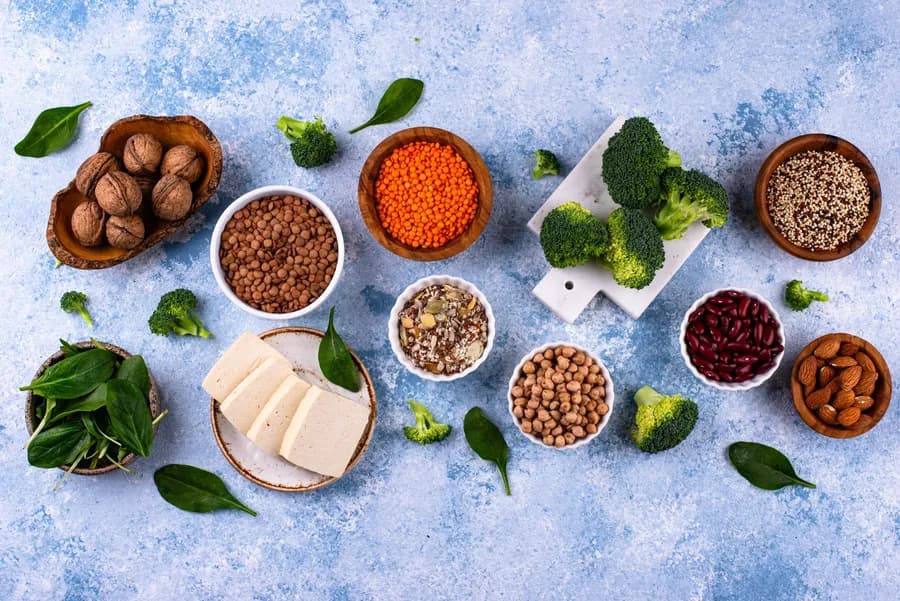
Iron rich foods need protein: 1/4th plate habit
Eating iron rich foods is important, but protein helps your body use iron better. Learn the 1/4th plate protein habit with simple vegetarian foods.


Diet for Strength Training: a Practical Eating Guide for Muscle and Recovery
Explore protein, carbohydrates, healthy fats and meal planning for strength training, muscle building and recovery.
Iron rich foods need protein: 1/4th plate habit
Learn why iron-rich vegetarian foods work better when paired with protein and simple Indian meal habits.