
Iron Rich Foods: The Complete Vegetarian Food List
Lentils, chickpeas, dark leafy greens, jaggery, and seeds cover the full daily iron requirement for most people — no meat or fish needed. See the.
Key Takeaways
- Lentils, chickpeas, dark greens, jaggery, and seeds cover most people’s iron needs.
- Plant-based (non-heme) iron absorbs less efficiently than iron from animal foods.
- Vitamin C at the same meal dramatically boosts non-heme iron absorption.
- Cooking in a cast-iron kadhai adds a small but real amount of iron over time.
- Tea and coffee tannins block absorption if drunk too close to meals.
Iron rich foods are easy to build a diet around once you know the vegetarian staples that deliver the most — lentils, chickpeas, dark leafy greens, jaggery, and seeds cover the full daily requirement for most people, no meat or fish needed. The one thing worth knowing going in: plant-based iron (called non-heme iron) is absorbed a little less efficiently by the body than the iron found in animal foods, which is exactly why pairing these foods with vitamin C matters so much — more on that below.
Iron rich foods at a glance
Vegetarian iron sources (non-heme iron): – Lentils, chickpeas, and rajma (kidney beans) – Spinach, methi, and other dark leafy greens – Jaggery (gur), especially over refined sugar – Sesame seeds and pumpkin seeds – Ragi and whole grains – Dried fruits like raisins and dates – Fortified cereals (check labels for added iron)
Iron foods vegetarian guide: getting the most out of plant sources
An iron rich diet built around lentils, dark leafy greens, jaggery, seeds, and fortified cereals is entirely sufficient on its own — it just needs a little more attention to preparation and pairing than a diet that includes heme iron, since non-heme iron from plants is absorbed less efficiently. That gap closes significantly with the right habits: vitamin C dramatically boosts absorption of non-heme iron, so adding lemon juice to dal, having amla or citrus fruit alongside a meal, or cooking greens with a squeeze of lime all help. Cooking in a cast-iron kadhai also adds a small but meaningful amount of iron to food over time — a traditional Indian practice that turns out to have real nutritional logic behind it. The best iron rich foods, in other words, are less about any single “superfood” and more about pairing and preparation done consistently.
Building a practical iron rich diet
Building a day around a handful of iron rich foods keeps this simple: a bowl of dal, a serving of leafy greens, a handful of seeds or nuts, and jaggery instead of sugar in tea or dessert. Spacing tea and coffee away from meals also helps, since the tannins in them can block iron absorption — a common issue in Indian diets where chai often accompanies food.
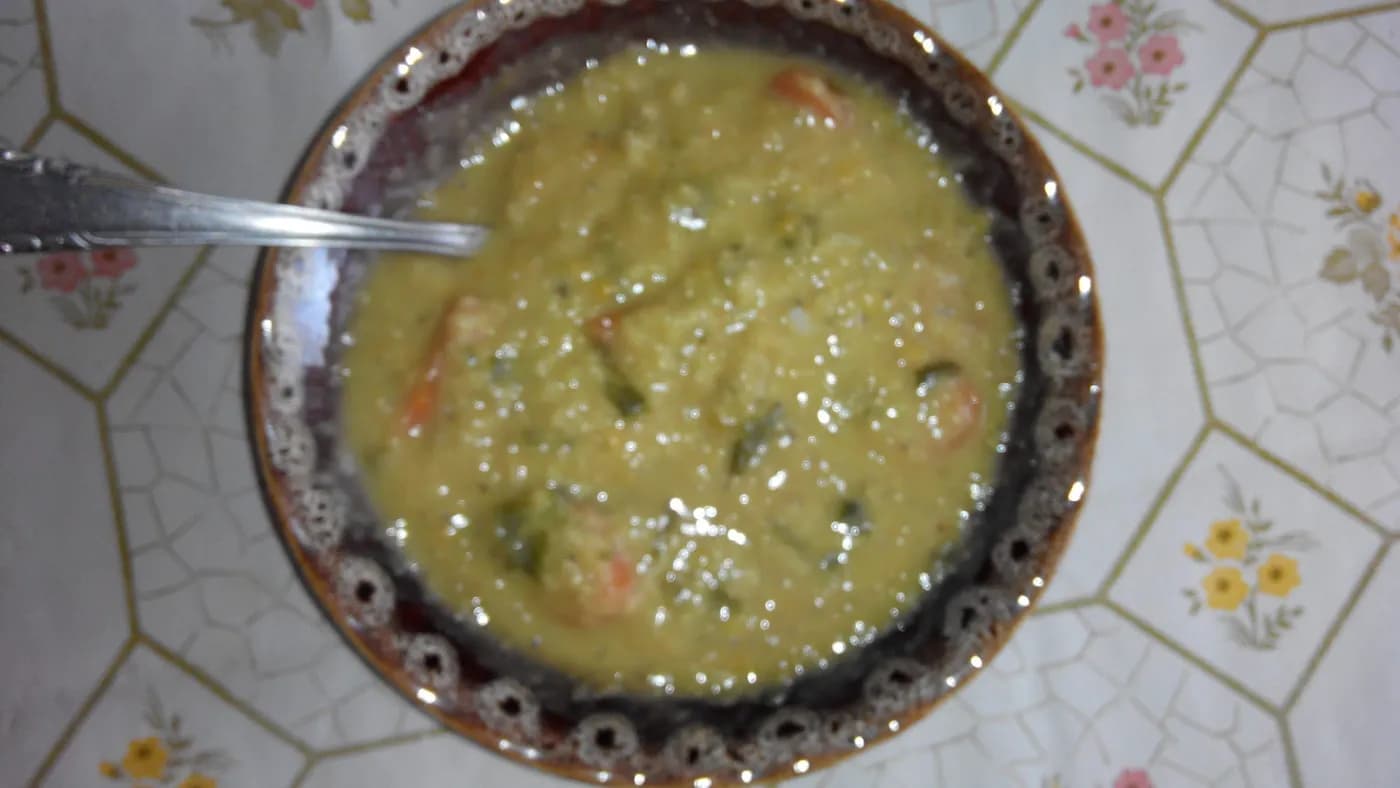
Photo: Dal curry, CC BY-SA 4.0, via Wikimedia Commons
Common mistakes with an iron rich diet
Even with the right iron rich foods on your plate, a few habits can quietly cancel out the benefit:
- Drinking tea or coffee right after meals, which reduces iron absorption
- Relying only on spinach, which is popular but not as iron-dense as lentils, sesame, or jaggery
- Skipping vitamin C pairings, which are essential for absorbing iron foods vegetarian sources provide
If a blood test has already confirmed you’re running low, our iron deficiency diet guide is more specific about correcting an existing shortfall, and how to increase hemoglobin naturally covers the absorption habits that make these same foods work harder.
Who should be cautious with iron rich foods
Most people benefit from eating more iron rich foods, but a small group needs to be careful. Hemochromatosis, a genetic condition that causes the body to store too much iron, means extra supplementation on top of an already-high level can do real harm rather than good. Anyone with this condition, or a family history of it, should get iron levels checked with a doctor before increasing intake or starting an iron supplement. The same caution applies if you’re already taking a prescribed iron supplement for a diagnosed deficiency — piling on more isn’t necessary and is worth mentioning at your next check-up. For everyone else without a specific medical reason to limit iron, these vegetarian iron rich foods are safe to eat daily, with no upper limit to worry about from food alone.
Iron rich foods: myths vs facts
Myth: Only meat and fish provide enough iron. Fact: Lentils, dark leafy greens, jaggery and sesame seeds are among the most concentrated iron rich foods available, and a vegetarian diet built around them easily meets daily iron needs without any animal source.
Myth: Spinach alone covers your iron needs. Fact: Spinach is a solid contributor, but sesame seeds, jaggery and lentils actually pack more iron per serving — leaning on spinach alone means missing out on richer options already sitting in most Indian kitchens.
Myth: Once you’re eating well, absorption takes care of itself. Fact: Non-heme iron from plant-based iron rich foods needs vitamin C to absorb well, so pairing still matters as much as the food choice itself.
Myth: A supplement works better than food. Fact: Supplements are for diagnosed deficiencies confirmed by a blood test — for everyday needs, a consistent plate of dal, greens and jaggery paired with vitamin C is the safer, more sustainable route for most people.
Frequently Asked Questions
Related Articles
Iron rich foods need protein: 1/4th plate habit
Eating iron rich foods is important, but protein helps your body use iron better. Learn the 1/4th plate protein habit with simple vegetarian foods.

Iron rich foods need protein: 1/4th plate habit
Learn why iron-rich vegetarian foods work better when paired with protein and simple Indian meal habits.
Protein rich vegetarian foods: the perfect plate habit
Learn how protein rich vegetarian foods support energy, strength and fullness. Use the perfect plate habit with greens, grains and protein.