
Is Red Bull Good for Health? Caffeine, Sugar and Safety Explained
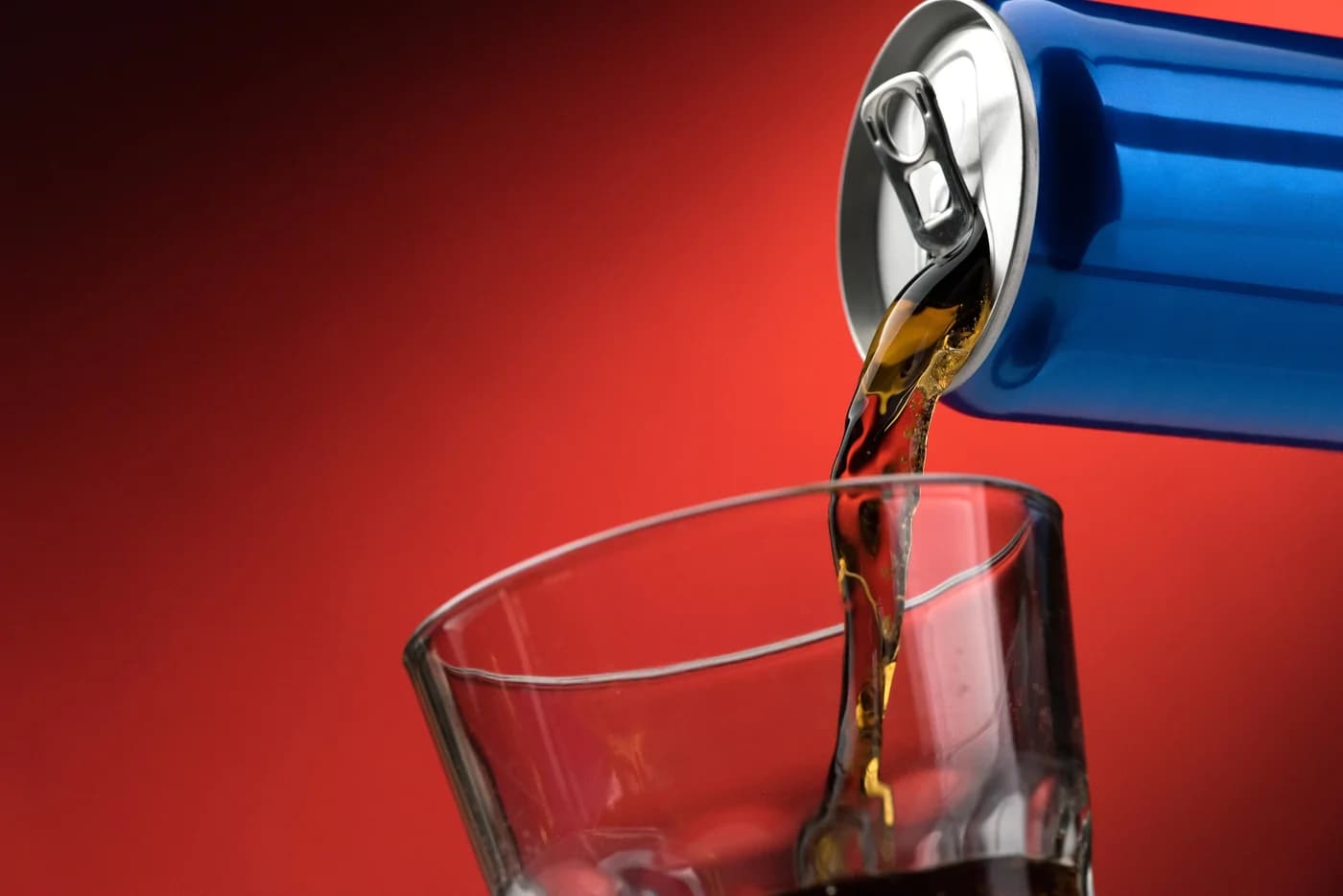
Red Bull is an energy drink, not a health drink. Its caffeine can briefly increase alertness, but sugar, serving size and total caffeine matter.
Key Takeaways
- Energy drinks give a short caffeine lift but do not replace sleep, food or water.
- Check the whole can's caffeine and sugar, and count coffee, tea and supplements too.
- Never mix energy drinks with alcohol; feeling alert does not mean you are less impaired.
- Children, teens, pregnant people and those with heart problems should avoid or limit them.
Is Red Bull good for health? In short, it is an energy drink, not a health drink. Its caffeine can temporarily increase alertness, but sugar, serving size, total daily caffeine and individual sensitivity decide whether the drink brings more drawbacks than benefits.
What is inside an energy drink?
Typical versions contain caffeine, sugar, taurine, B vitamins and flavouring; sugar-free versions replace sugar with sweeteners. B vitamins help normal metabolism when needs are met, but adding them to a drink does not create limitless energy. Taurine is an amino-sulfonic compound and is not a stimulant. Guarana, found in some energy drinks, is another source of caffeine rather than a separate kind of harmless energy.
Read the can as a dose, not just a drink
Energy drinks vary in size and caffeine content, and some cans contain more than one labelled serving. Check total caffeine for the entire container as well as sugar and other stimulants. Drinking two different caffeinated products close together can make the combined dose easy to miss.
The FDA cites 400 mg of caffeine a day as an amount not generally associated with negative effects for most healthy adults, but sensitivity varies and the total includes coffee, tea, cola and supplements.
Caffeine and alertness
Caffeine can reduce perceived tiredness and improve attention for a few hours. It can also cause jitteriness, anxiety, palpitations, headache, reflux and sleep disruption.
The lift often borrows from later. Used late in the day, caffeine may delay sleep or make it lighter, leading to more tiredness and another drink the next day. For study or office work, daylight, a brief walk, water, a balanced meal and a short planned rest can address common causes of sluggishness without escalating stimulant intake.
Sugar, calories and teeth
A regular energy drink can supply substantial added sugar without much fullness. Frequent intake can contribute to excess energy intake and dental decay. Sugar-free versions lower sugar and calories, but the caffeine remains, and acidity can still affect teeth, especially when the drink is sipped over hours. Rinse with water afterwards and avoid brushing immediately after an acidic drink.
Exercise and hydration
An energy drink is not the same as an electrolyte sports drink designed mainly to provide fluid and carbohydrate. Caffeine may improve some athletic performance, but a branded energy drink is not required. A fizzy, concentrated drink can cause stomach discomfort, a racing heartbeat or shakiness during hard exercise, so avoid stacking it with pre-workout products.
Water is sufficient for many ordinary workouts. People exercising in heat or for long, intense sessions should follow a planned hydration and sports-nutrition approach.
Never mix with alcohol
Caffeine can make a person feel less sleepy without reducing alcohol impairment. Mixing the two can encourage heavier drinking and risky decisions, because feeling alert does not mean coordination or judgement has recovered. Avoid the combination, and never use caffeine to judge whether it is safe to drive.
Who should avoid or limit energy drinks?
Children and adolescents should avoid energy drinks. Pregnant people and anyone with heart-rhythm problems, uncontrolled blood pressure, anxiety, sleep disorders or caffeine-sensitive migraines should be especially cautious or avoid them according to professional advice. Sensitivity also varies among healthy adults, and caffeine can interact with medicines and other stimulants.
Chest pain, fainting, a sustained rapid heartbeat, severe agitation or breathing difficulty needs urgent medical attention rather than another drink or home remedy.
Cutting back
So, is Red Bull good for health? It is not needed for health, and regular use mainly adds caffeine, sugar or acidity. If daily use has become automatic, tapering gradually can reduce withdrawal headache and irritability. Replace the ritual as well as the beverage, for example by keeping chilled water or unsweetened lemon water ready at the usual time.
Editorial sources
Frequently Asked Questions
Related Articles

Coffee Benefits: Caffeine, Timing, Portions and Safety
Coffee contains caffeine and many plant compounds, and brewing method, cup size, milk and sugar all change the drink. Learn safe timing.

Electrolyte Drinks: When They Help, Ingredients and Safety
Electrolytes such as sodium and potassium help regulate fluid balance, nerves and muscles.

Is Carbonated Water Healthy? Benefits, Teeth and Digestion
Plain carbonated water is water containing dissolved carbon dioxide. Learn about practical uses, portions and safety.
