
L-Carnitine Benefits: Uses, Weight-Loss Claims and Safety
Carnitine helps move fatty acids into mitochondria for energy. The body makes it, and it is also found mainly in animal foods.


Key Takeaways
- The body normally produces the L-carnitine it needs.
- It helps move fatty acids into mitochondria for energy production.
- Vegetarians may consume less from food but do not automatically need supplements.
- Evidence for meaningful weight loss is limited.
- Exercise and recovery benefits are inconsistent.
- Supplements may cause nausea, diarrhoea and a fishy body odour.
- People with medical conditions or regular medicines need professional guidance.
L-carnitine is a compound that helps transport fatty acids into cells so they can be used to produce energy. The body normally makes it from the amino acids lysine and methionine, mainly in the liver and kidneys.
L-carnitine supplements are promoted for weight loss, energy and exercise performance. However, most healthy people produce enough naturally, and evidence supporting many supplement claims is mixed.
What is L-carnitine?
L-carnitine is stored mainly in skeletal and heart muscle. It supports the movement of long-chain fatty acids into mitochondria, often described as the energy-producing parts of cells.
This biological role has led to the claim that taking more L-carnitine will automatically make the body burn more fat. Human metabolism is more complicated. Extra supplementation does not necessarily increase fat loss in someone who already has adequate levels.
The kidneys also help conserve carnitine by returning much of it to the bloodstream instead of allowing it to leave through urine.
Where does L-carnitine come from?
The body can make carnitine when it has enough lysine, methionine, vitamin C, iron, vitamin B6 and niacin.
Food sources are mainly animal-derived, particularly red meat. Dairy contains smaller amounts, while most plant foods provide very little.
This does not mean that every vegetarian or vegan is deficient. The body can adjust its production and reduce urinary loss when dietary intake is low.
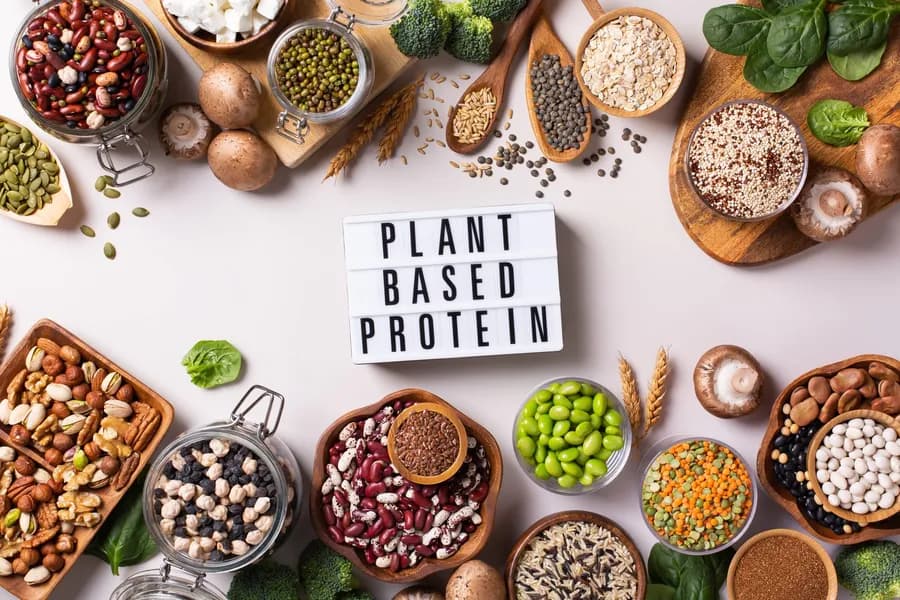
Vegetarian foods providing protein and the required supporting nutrients include:
- Dal and other pulses
- Chickpeas, rajma and lobia
- Soy foods
- Nuts and seeds
- Whole grains
- Dairy foods, when consumed
- Fruits and vegetables providing vitamin C
Habuild’s protein-rich vegetarian foods guide offers practical meal combinations.
Possible L-carnitine benefits
Correcting a diagnosed deficiency
The clearest use of L-carnitine is treating specific deficiencies under medical supervision.
Primary carnitine deficiency is a rare inherited condition. Secondary deficiency may occur with certain genetic disorders, severe kidney disease, dialysis, some medicines or other medical problems.
These situations require diagnosis and an individual treatment plan. Tiredness or poor exercise performance alone does not prove a deficiency.
L-carnitine for weight loss
L-carnitine is frequently sold as a fat-burning supplement because of its role in transporting fatty acids.
Some research reviews have found a small average reduction in body weight in selected groups. Results differ between studies, and any effect is generally modest.
L-carnitine for weight loss does not replace a balanced diet, physical activity, sleep or medical care. It cannot target belly fat or cancel excess calorie intake.
Products combining it with caffeine or other stimulants may create additional side effects without producing sustainable weight loss.
Exercise performance
Researchers have studied whether supplementation improves endurance, reduces muscle soreness or supports recovery.
Results are inconsistent. Some studies report small changes in recovery markers, while others find little or no performance advantage.
The amount stored in muscle does not necessarily increase quickly after taking a capsule. Training, total food intake, carbohydrates, protein, hydration and sleep remain more important.
Heart health
Carnitine plays a role in heart-muscle metabolism, and medical researchers have studied it in people with certain cardiovascular conditions.
Evidence does not support using an over-the-counter supplement to prevent or treat heart disease independently.
People with chest pain, heart failure, abnormal heart rhythms or previous heart attacks should follow their medical plan and discuss supplements with their cardiologist.
Brain and nerve health
Acetyl-L-carnitine is a related form that can enter the brain more readily. It has been studied for nerve pain, memory and cognitive conditions.
Findings are mixed, and it is not an established cure for dementia, depression or neuropathy.
L-carnitine and acetyl-L-carnitine should not be assumed to have identical uses simply because their names are similar.
How much L-carnitine do you need?
There is no established recommended daily dietary allowance for healthy people because the body can normally produce enough.
Supplement products commonly provide amounts ranging from a few hundred milligrams to several grams. A higher dose is not necessarily more effective.
Do not copy a bodybuilding or weight-loss dose without considering your health, medicines and actual reason for taking it.
Possible side effects
Higher supplemental doses may cause:
- Nausea
- Vomiting
- Abdominal cramps
- Diarrhoea
- Headache
- A fishy smell in sweat, breath or urine
Taking more than approximately 3 grams daily may increase the likelihood of digestive symptoms and odour.
Stop using the product if it repeatedly makes you unwell. Seek urgent medical help for breathing difficulty, facial swelling, fainting or another severe reaction.
L-carnitine and TMAO
Gut bacteria can convert some carnitine into trimethylamine, which the liver can then turn into trimethylamine N-oxide, or TMAO.
Higher blood TMAO levels have been associated with cardiovascular risk in some studies. However, the relationship is complex and does not prove that a carnitine supplement directly causes heart disease.
This uncertainty is another reason to avoid unnecessary high-dose or long-term use.
Medicine interactions
L-carnitine supplements may interact with certain medicines.
Particular caution is required for people using:
- Warfarin or other blood-thinning treatment
- Thyroid hormone
- Medicines associated with carnitine deficiency
- Multiple supplements or sports products
Carnitine may affect how warfarin works, potentially altering blood-clotting tests. It may also interfere with thyroid-hormone activity in some circumstances.
A pharmacist or clinician can assess the specific product and dose.
Seizure disorders
There have been concerns that carnitine products may increase seizure frequency in people with a seizure disorder, although evidence is not completely clear.
Anyone with epilepsy or a history of seizures should avoid self-prescribing it and consult their treating clinician.
Do not stop anti-seizure medicine or replace it with a supplement.
Kidney and liver conditions
The kidneys are closely involved in regulating carnitine. People receiving dialysis may develop low levels, but supplementation should be prescribed and monitored by their medical team.
Someone with kidney disease should not take an over-the-counter product simply because carnitine is sometimes used during dialysis.
People with significant liver disease should also seek individual guidance before using concentrated supplements.
Pregnancy, breastfeeding and children
Normal production and food intake are different from taking a concentrated supplement.
There is insufficient evidence to recommend routine L-carnitine supplementation during pregnancy or breastfeeding unless a clinician identifies a medical need.
Children should not receive sports, weight-loss or energy supplements without advice from a paediatric professional.
Choosing an L-carnitine supplement
If a qualified professional recommends one, check:
- The exact form of carnitine
- Amount per serving
- Complete ingredient list
- Added caffeine or stimulants
- Vegetarian or vegan suitability
- Allergen information
- Independent quality testing
- Manufacturer and batch details
Carnitine may be produced synthetically, but capsule shells, flavourings and other ingredients may not be vegetarian. Check the full label.
Avoid products promising instant fat loss, extreme energy or guaranteed athletic performance.
Do vegetarians need L-carnitine supplements?
Most healthy vegetarians do not automatically need them. Although dietary intake is lower, the body normally produces carnitine and conserves it effectively.
People eating a restrictive diet should focus on adequate protein, vitamin C, iron and overall nutrition rather than taking one compound in isolation.
Habuild’s everyday diet and nutrition guide can help build a varied vegetarian eating pattern.
What L-carnitine benefits cannot do
L-carnitine cannot melt fat, build muscle without training or provide unlimited energy.
It cannot replace balanced meals, adequate sleep or treatment for a medical condition.
Its most established role is correcting particular deficiencies under professional supervision. For healthy people, the benefits of routine supplementation remain uncertain.
Sources
Frequently Asked Questions
Related Articles
Protein-rich vegetarian foods: 1/4th plate habit
Explore protein, carbohydrates, healthy fats and meal planning for strength training, muscle building and recovery.


Healthy fats: why your body needs fat
Healthy fats help your body absorb vitamins and support brain, hormones, joints, cells and daily meals. Learn simple vegetarian sources and habits.