
Lentils Nutrition: Protein, Fibre, Cooking Tips and Easy Meals
Lentils provide plant protein, fibre, folate, iron and potassium. Different dals cook at different speeds but share a useful nutrition profile.

Key Takeaways
- Lentils provide plant protein, fibre, folate, iron and potassium.
- Split dals generally cook faster than whole pulses.
- Pairing lentils with vitamin C can improve the absorption of plant iron.
- Increase portions gradually if you are not used to eating much fibre.
- Lentils can support a balanced vegetarian meal but do not need to be eaten in unlimited quantities.
Lentils are a familiar part of Indian meals, appearing in everything from dal and khichdi to soups, chillas and salads. They provide plant protein, fibre, folate, iron and potassium without requiring complicated recipes.
Different varieties have slightly different colours, textures and cooking times, but their overall nutritional value is similar. Understanding lentils nutrition can help you use them as a reliable meal ingredient rather than expecting them to act as a cure or special “superfood.”
What are lentils?
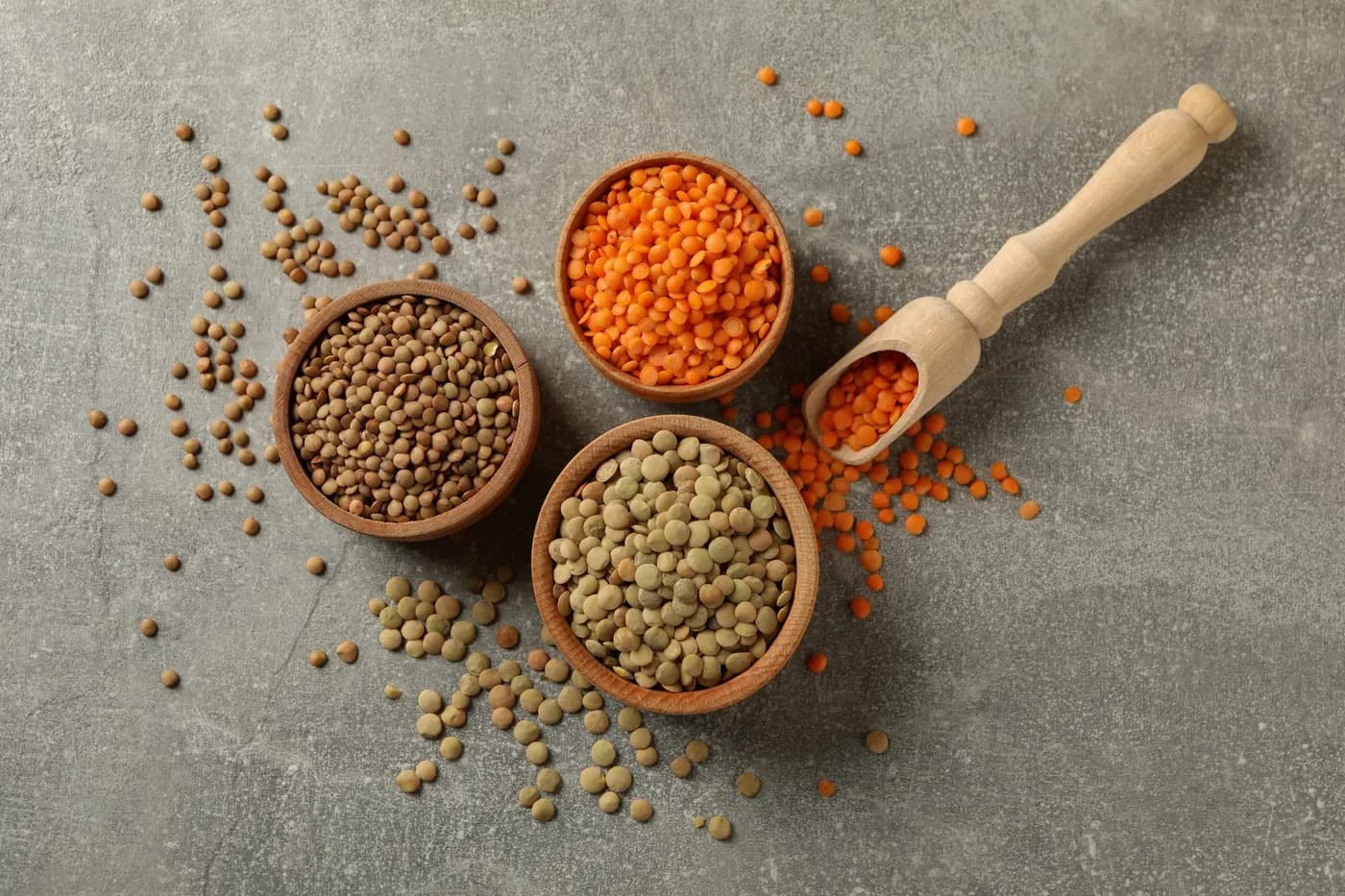
Lentils are edible seeds from the legume family. In Indian kitchens, the word “dal” may refer to the dried pulse as well as the cooked dish prepared from it.
Common varieties include:
- Masoor dal or red lentils
- Moong dal
- Whole green moong
- Toor or arhar dal
- Urad dal
- Chana dal
- Brown or green lentils
Split and skinned lentils usually cook more quickly and produce a softer texture. Whole varieties retain more structure and may take longer to soak or cook.
Beans, chickpeas and peas also belong to the legume family, but their cooking times and textures differ. Habuild’s guide to beans and legumes explains how these foods can fit into everyday vegetarian meals.
Lentils nutrition at a glance
Cooked lentils provide carbohydrates, plant protein and fibre. They also contribute folate, iron, potassium, magnesium and other nutrients in varying amounts.
The exact lentils nutrition profile depends on the variety, serving size and cooking method. A thick bowl of plain dal is different from a watery preparation containing only a small quantity of lentils. Added oil, ghee, cream, salt and fried toppings also change the final meal.
Lentils do not provide every nutrient in ideal amounts. They should be eaten as part of a varied vegetarian diet containing vegetables, fruits, grains, dairy or suitable alternatives, nuts and seeds.
Possible lentils nutrition benefits
Plant protein
Lentils provide useful plant protein and can help strengthen a vegetarian meal. However, one spoonful of dal is not enough to meet an adult’s entire protein requirement.
Serve dal with roti, rice, vegetables, curd, paneer, tofu, nuts or seeds according to your dietary needs. You do not need to combine specific proteins at every mouthful. Eating varied plant foods across the day can provide the essential amino acids the body needs.
For more options, see Habuild’s guide to protein-rich vegetarian foods.
Fibre and digestion
Lentils contain soluble and insoluble fibre. Fibre supports bowel regularity, adds bulk to stool and provides food for some beneficial gut bacteria.
The same fibre may cause gas, bloating or cramps when portions rise suddenly. Start with a modest serving and increase it gradually. Drinking appropriate fluids and remaining physically active may also support digestion.
Persistent abdominal pain, vomiting, blood in the stool or an unexplained change in bowel habits needs medical assessment rather than a home remedy.
Folate
Folate supports normal cell division and red-blood-cell formation. Needs increase during pregnancy, but eating lentils does not replace a folic acid supplement prescribed before or during pregnancy.
Anyone planning a pregnancy should follow their clinician’s advice about folic acid and prenatal nutrition.
Iron
Lentils contain non-haem iron, the form found in plant foods. The body generally absorbs it less efficiently than haem iron.
Pairing dal with a source of vitamin C may improve absorption. Try adding lemon after cooking or serving the meal with tomatoes, capsicum, amla, guava or citrus fruit.
Tea and coffee may reduce iron absorption when consumed with an iron-rich meal. People being treated for iron deficiency should follow their prescribed plan instead of relying on lentils alone.
Fullness and meal quality
The combination of protein, carbohydrate and fibre may help a meal feel satisfying. This can make lentils a useful replacement for some highly refined or fried foods.
However, lentils nutrition does not guarantee weight loss. Results depend on the serving size, preparation, total diet, activity and other individual factors.
Whole, split or sprouted lentils?
Whole lentils retain their outer covering and generally provide a firmer texture. Split or skinned dals cook more quickly and may feel easier to digest for some people.
Sprouting changes the texture and nutrient profile, but sprouts require careful handling. Wash hands and utensils, use clean water and refrigerate sprouts promptly. People who are pregnant, older, immunocompromised or very young may be advised to avoid raw sprouts because of foodborne-illness risk.
Cooking sprouts thoroughly can reduce this risk. Sprouted foods are an option, not a requirement for obtaining lentils nutrition benefits.
How to use lentils in everyday meals
If you are learning how to use lentils, begin with meals you already enjoy:
- Cook masoor dal with tomatoes, spinach or bottle gourd.
- Use moong dal in vegetable khichdi.
- Make moong or mixed-dal chilla.
- Add cooked lentils to soups and vegetable stews.
- Prepare dal dhokli with vegetables and measured oil.
- Mix cooked whole moong into a salad or chaat.
- Use lentils in vegetarian kebabs or cutlets.
- Add chana dal to lauki, cabbage or other sabzis.
- Serve sambar with vegetables, idli or dosa.
- Use leftover dal in atta for savoury parathas.
Keep the full meal in mind. A lentil dish prepared with large amounts of oil, butter or cream will have a different energy and saturated-fat content from a simpler preparation.
Habuild’s high-fibre foods guide contains more ideas for gradually increasing fibre through familiar Indian foods.
Soaking and cooking tips
Split lentils may not require long soaking, although rinsing removes dust and loose starch. Whole lentils and larger pulses often benefit from soaking because it shortens cooking time and helps create a softer texture.
Discard damaged pieces and wash the lentils under clean running water. Cook them until properly soft, especially when preparing food for children, older adults or anyone who has difficulty chewing.
A pressure cooker is convenient, but regular boiling also works. Follow appliance instructions and allow pressure to release safely.
Salt, turmeric, cumin, coriander, ginger, garlic and other spices can add flavour. Tempering can be used in a measured amount rather than turning the surface of the dish into a thick layer of oil.
How to reduce gas from lentils
Gas is a normal result of gut bacteria fermenting certain carbohydrates. It does not automatically mean that lentils are harmful or that you must remove them completely.
You can try the following:
- Begin with a smaller portion.
- Increase the amount over several weeks.
- Choose softer, well-cooked preparations.
- Try split moong or masoor before larger whole pulses.
- Chew the meal slowly.
- Avoid increasing several high-fibre foods at once.
- Notice which variety and portion suit you best.
Soaking, rinsing and cooking thoroughly may improve tolerance, although they do not remove every fermentable carbohydrate.
People with irritable bowel syndrome may tolerate specific types and portions differently. A qualified dietitian can help identify suitable amounts without unnecessarily restricting the diet.
Portions and frequency
There is no single correct lentil portion for everyone. The right amount depends on appetite, age, activity, digestive tolerance and the other foods in the meal.
Around half to one cup of cooked lentils may be a practical range for many adults, but individual requirements vary. Someone eating dal as the main protein source may need a different amount from someone also having tofu, paneer or curd.
Lentils can be eaten regularly if they suit your health and digestion. Rotate different dals and combine them with vegetables and other vegetarian protein sources instead of depending on one variety every day.
Who should be careful?
People with chronic kidney disease may need personalised advice about potassium, phosphorus, protein and fluid intake. Do not remove lentils automatically, but follow the plan given by a renal clinician or dietitian.
Anyone with a diagnosed pulse or legume allergy should avoid the relevant food. Seek urgent help for breathing difficulty, facial swelling, faintness or widespread hives.
People with gout do not always need to avoid all lentils. Plant sources of purines may not affect risk in the same way as certain other foods, but individual medical advice is important during frequent attacks or treatment.
Packaged lentil snacks, instant soups and ready-made dals may contain substantial sodium, oil or additives. Check the label rather than assuming every lentil product has the same nutritional value as home-cooked dal.
What lentils cannot do
Lentils cannot cure anaemia, reverse diabetes, detoxify the body or guarantee weight loss. They also cannot meet every protein, vitamin and mineral requirement by themselves.
The most useful lentils nutrition benefits come from making meals more balanced, filling and varied. The value lies in consistent use within an appropriate eating pattern, not in unusually large portions.
Habuild’s guide to building sustainable food habits can help turn practical meal choices into repeatable routines.
A simple habit to try
Choose one lentil that your household already enjoys and prepare an extra portion once a week. Refrigerate it promptly and use it the next day in a soup, chilla batter, vegetable bowl or simple dal meal.
This reduces cooking effort and makes a nourishing vegetarian option easier to choose during a busy day.
Editorial sources
Frequently Asked Questions
Related Articles
Protein-rich vegetarian foods: 1/4th plate habit
Explore protein, carbohydrates, healthy fats and meal planning for strength training, muscle building and recovery.


Healthy fats: why your body needs fat
Healthy fats help your body absorb vitamins and support brain, hormones, joints, cells and daily meals. Learn simple vegetarian sources and habits.