
Low Calorie Foods: Filling Choices for Everyday Indian Meals
No ordinary food is truly calorie-free, but vegetables, fruit, soups and lean protein foods can provide volume for fewer calories.
Key Takeaways
- Vegetables and fruit can provide volume, water and fibre.
- Dal, beans, tofu, paneer and curd help make lighter meals more complete.
- Cooking methods and toppings can change a meal’s energy content.
- Low calorie foods are not foods that can be eaten without limits.
- Very-low-calorie diets require medical supervision.
Low calorie foods can make meals feel generous without adding excessive energy. Vegetables, fruit, soups and protein-rich vegetarian foods are useful examples, but no ordinary food is literally calorie-free.
The goal is not to eat as little as possible. A satisfying meal should still provide protein, fibre, carbohydrates, fats, vitamins and minerals. Choosing low calorie foods works best as part of a balanced routine rather than a restrictive short-term diet.
What does low calorie mean?
Calories measure the energy supplied by food. Foods that contain plenty of water or fibre often provide fewer calories for the same volume than foods concentrated in fat or sugar.
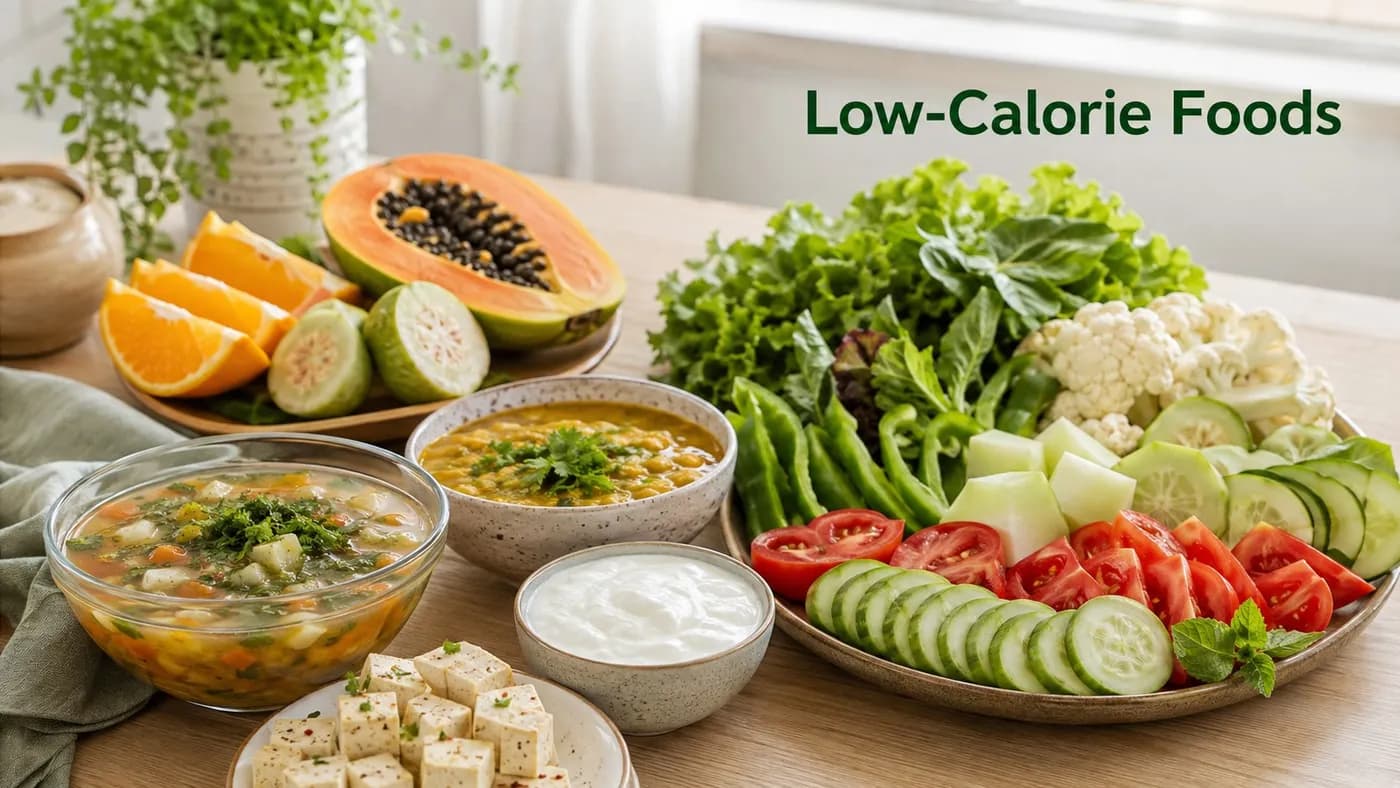
Cucumber, tomato, lauki, leafy vegetables, mushrooms, melon and clear vegetable soup are examples. Nuts, seeds and oils are nutritious but more energy-dense, so a smaller portion provides more calories.
This difference does not make one food good and another bad. It simply helps explain why combining low calorie foods with measured amounts of energy-dense ingredients can create a satisfying meal.
How low calorie foods may help
Meal volume and fullness
A large bowl of vegetables occupies more space than a small portion of fried snacks with similar or greater energy. Water and fibre add volume, while chewing slows the eating process.
Fullness also depends on protein, flavour and appetite. A vegetable-only meal may leave you hungry without dal, beans, tofu, paneer or curd. Low calorie foods should support a complete meal, not replace its nourishing parts.
Fibre and digestion
Vegetables, fruit, pulses and whole grains contribute fibre. Fibre supports regular bowel movements and may help meals feel satisfying.
Increasing it suddenly can cause gas, cramps or bloating. Add high-fibre low calorie foods gradually and drink enough fluid. Habuild’s high-fibre foods guide offers practical Indian meal ideas.
Weight management
Using low calorie foods to replace some fried snacks, sugary desserts or large portions of refined foods may reduce a meal’s energy density. This can support weight management when the overall pattern remains satisfying and sustainable.
No individual vegetable burns fat. Weight also reflects total intake, activity, sleep, stress, medicines and health conditions. Extreme restriction may lead to fatigue, nutrient gaps and rebound eating.
Useful vegetarian low calorie foods
Non-starchy vegetables
Leafy greens, gourds, capsicum, tomato, cucumber, cauliflower, cabbage, beans and mushrooms can add colour and volume. Prepare them as sabzi, salad, soup, stir-fry or a side dish.
Cooking method matters. Deep-frying or adding large amounts of oil, cream or cheese can change the energy content substantially.
Low calorie foods from fruit
Guava, oranges, papaya, watermelon, muskmelon, berries, apples and pears can fit as snacks or part of breakfast. Whole fruit usually retains more fibre and requires more chewing than juice.
Fruit still contains carbohydrate and calories. It does not need to be avoided, but unlimited juice or large dried-fruit portions are different from eating one whole fruit. Habuild’s guide to healthy fruits explains variety and portions.
Soups and other low calorie foods
Broth-based vegetable soups can add warmth and volume. Include beans, lentils or tofu when soup is the main meal.
Cream, butter, fried toppings and excess salt can change the nutritional profile. Packaged soup powders may also contain considerable sodium.
Protein-rich choices
Dal, chickpeas, rajma, tofu, low-fat paneer and plain curd provide more calories than watery vegetables but also add valuable protein. Calling only the lowest-calorie item healthy misses this balance.
Pairing protein with low calorie foods can make a meal more complete. Habuild’s protein-rich vegetarian foods guide can help you choose suitable meal anchors.
Foods marketed as zero-calorie
Products labelled zero-calorie or diet may use sweeteners, flavouring or very small serving sizes. The label does not automatically mean the product is nutritious or useful for everyone.
Diet drinks may reduce sugar compared with regular versions, but they do not supply the fibre or nutrients found in whole foods. Read the ingredient list and serving size instead of relying only on the front label.
How to build a lighter Indian meal
Start with the meal you already eat and adjust its balance:
- Fill a generous part of the plate with cooked vegetables or salad.
- Add dal, chana, rajma, tofu, paneer or curd for protein.
- Include a sensible portion of roti, rice, millet or another grain.
- Measure oil instead of pouring it directly from the bottle.
- Use lemon, herbs, spices and chutney for flavour.
- Choose fruit more often than sweetened juice or dessert.
- Keep fried toppings and creamy sauces occasional.
These changes use low calorie foods without turning the meal into a bowl of plain vegetables. Habuild’s everyday nutrition guide can help with the overall pattern.
Portion size still matters
Low calorie foods are not unlimited foods. Large smoothie bowls, repeated snacks and heavily dressed salads can provide more energy than expected.
Eat slowly and notice hunger and fullness. Serve a balanced portion first, then take more if genuinely hungry. There is no need to weigh every vegetable or chase the lowest number on a tracking app.
Children, adolescents, pregnant people, older adults and athletes may have higher energy or nutrient needs. They should not copy a restrictive adult weight-loss plate without suitable guidance.
Safety of very-low-calorie diets
A very-low-calorie diet is a clinical intervention, not a collection of ordinary light recipes. It may cause fatigue, dizziness, constipation, gallstones, nutrient deficiencies and loss of muscle when used without supervision.
People with diabetes, kidney disease, eating disorders or regular medicines need individual advice before making a major energy reduction. Pregnancy, breastfeeding and adolescence are not appropriate times for unsupervised restrictive dieting.
Seek help if food rules cause fear, guilt, binge eating, faintness or disruption to daily life. Health goals should not require persistent hunger or anxiety.
What low calorie foods cannot do
Low calorie foods cannot detoxify the body, target belly fat or guarantee weight loss. They also cannot compensate for inadequate protein, poor sleep or an eating pattern that is difficult to sustain.
The practical value of low calorie foods is adding volume, fibre, water, colour and variety. The best choices are affordable and enjoyable.
Sources
Frequently Asked Questions
Related Articles
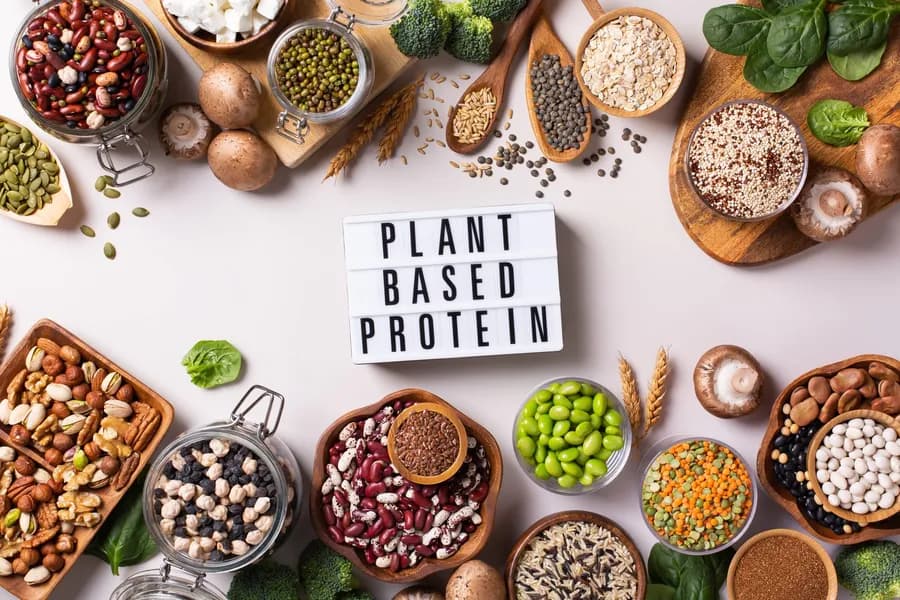
Protein-rich vegetarian foods: 1/4th plate habit
Explore protein, carbohydrates, healthy fats and meal planning for strength training, muscle building and recovery.

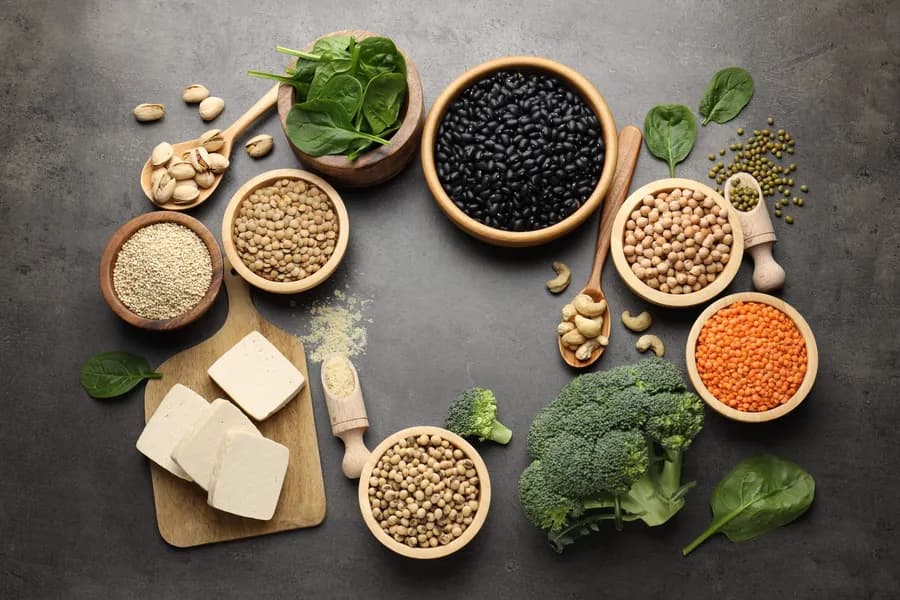
Protein rich vegetarian foods: the perfect plate habit
Learn how protein rich vegetarian foods support energy, strength and fullness. Use the perfect plate habit with greens, grains and protein.

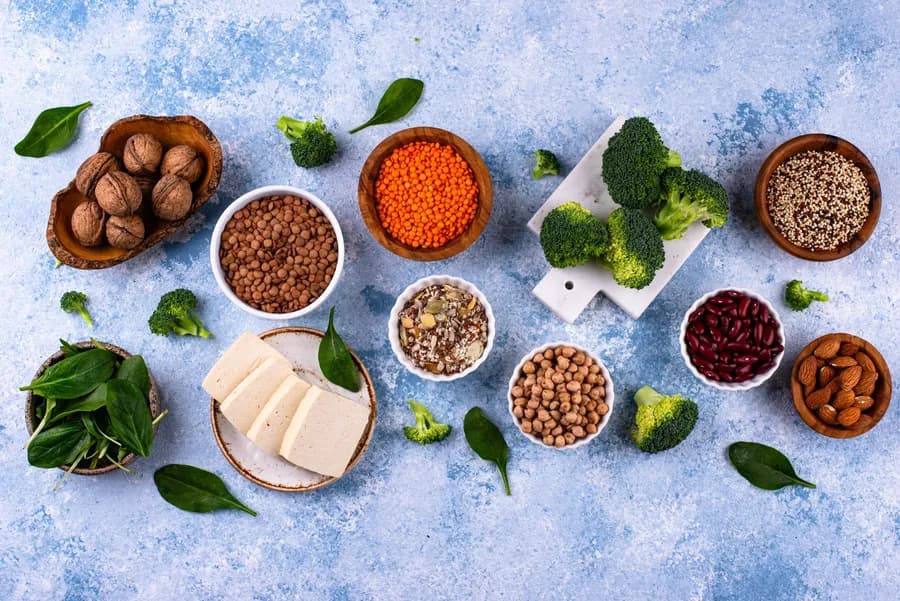
Iron rich foods need protein: 1/4th plate habit
Eating iron rich foods is important, but protein helps your body use iron better. Learn the 1/4th plate protein habit with simple vegetarian foods.