
Low Carb Diet Foods List for Everyday Indian Meals
A low carb foods list shifts your plate toward protein, vegetables, and healthy fats, while going easy on rice, roti, and sugar. See what to stock up on.
Key Takeaways
- Shifts the plate toward protein, vegetables, and healthy fats – not strict keto rules.
- Fill half the plate with non-starchy vegetables, a quarter with protein, a quarter with grains.
- Cauliflower rice and besan or almond flour are easy swaps for rice and maida.
- Very sweet fruits like mango, banana, and grapes are best in smaller portions.
- Gentler and more flexible than strict keto, since some carbs still come from dal and grains.
If you’re trying to eat lighter without giving up Indian flavours, a good low carb diet foods list makes it much easier to plan meals. This isn’t about strict keto rules—it’s about shifting your plate toward protein, vegetables, and healthy fats, while going easy on rice, roti, and sugar.
Quick Answer: What Counts as Low Carb Diet Foods
At a glance, here’s what to stock up on—most of it is already in your kitchen:
- Proteins: paneer, tofu, soy chunks, and dal in moderate portions
- Non-starchy vegetables: spinach, methi, cauliflower, bottle gourd, capsicum, cabbage, cucumber
- Dairy (in moderation): curd, buttermilk, small amounts of milk
- Healthy fats: ghee, coconut, nuts, seeds, olive or mustard oil
- What to limit: white rice, roti/wheat flour, sugar, sweets, fruit juices, and starchy vegetables like potato
Building a Low Carb Indian Plate
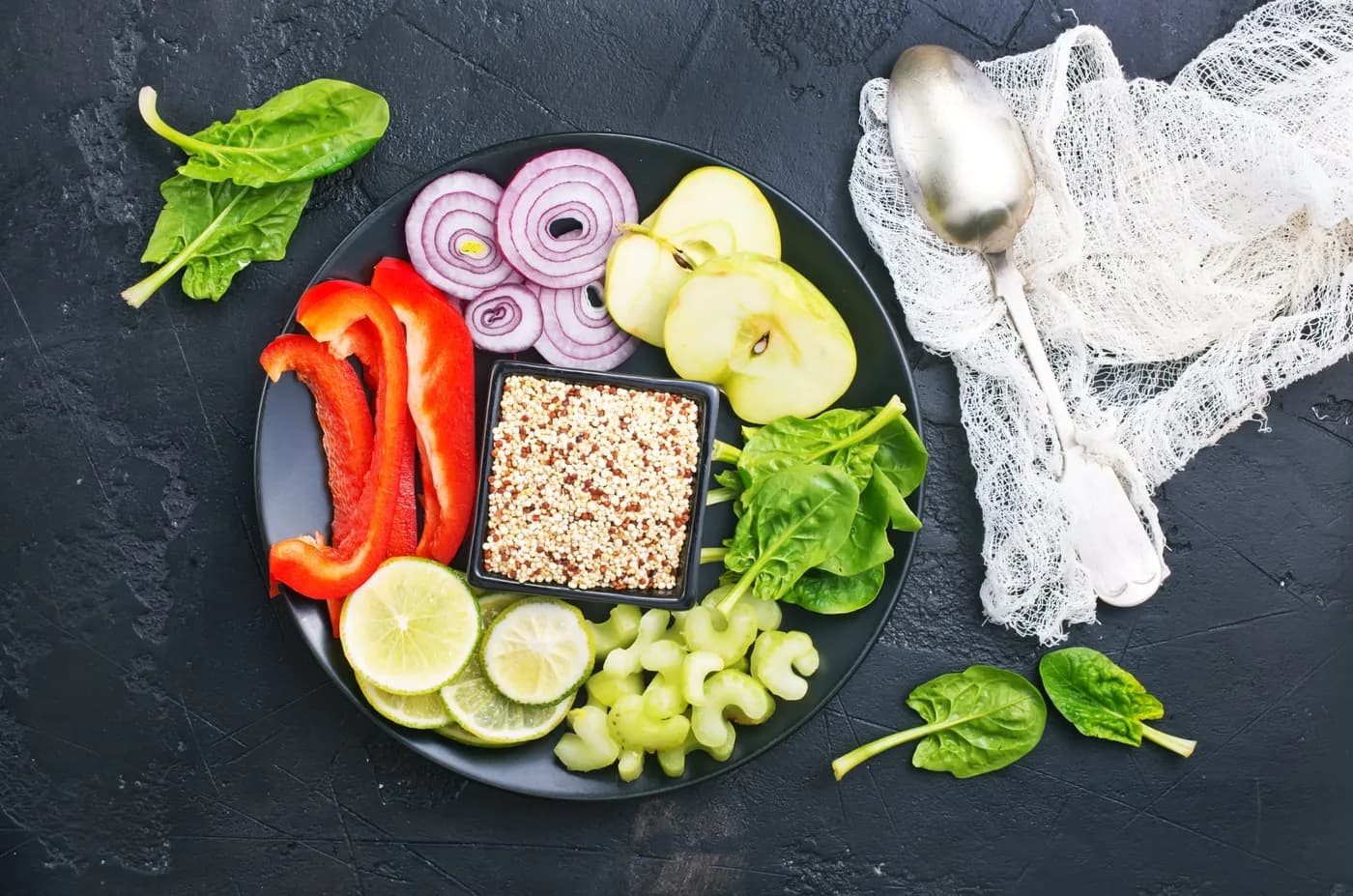
You don’t need imported ingredients to eat this way. A simple approach: fill half your plate with non-starchy vegetables, a quarter with protein like paneer, tofu, or dal, and keep grains to a small side portion instead of the main event. Swap white rice for cauliflower rice or a smaller bowl of brown rice, and use besan or almond flour occasionally instead of maida for snacks. Dal, sprouts, and curd are everyday staples that fit naturally into this way of eating and don’t need any special shopping. This structure is really the essence of any low carb diet foods approach, more than any specific ingredient list.
Spices and cooking methods matter too. Grilling, steaming, and sautéing in ghee or oil keep meals satisfying without added carbs, while pickles, chutneys, and papads made with minimal sugar can still find a place in moderation.
Low Carb Diet Foods to Limit or Rethink
Lowering carbs doesn’t mean eliminating them entirely—it means being selective. The biggest contributors to a high-carb Indian plate are refined grains (white rice, maida-based items), sugar (in tea, sweets, and packaged snacks), and deep-fried snacks made with besan or flour batters. Fruits are healthy, but very sweet ones like mango, banana, and grapes are best eaten in smaller portions if you’re watching carbs closely. Starchy vegetables such as potato, sweet potato, and raw banana can stay on the table occasionally rather than daily. Being mindful about these items, rather than cutting them out completely, is the realistic way to work more low carb diet foods into your week.
Photo: rovingI, CC BY 2.0, via Openverse (Flickr)
Who This Way of Eating Suits
A list of low carb diet foods works best as part of a moderate approach, and it suits most healthy adults wanting better energy, easier digestion, or gradual weight management. It’s gentler and more flexible than a strict ketogenic diet, since you still get carbs from vegetables, dal, and small amounts of whole grains. If you have diabetes, are pregnant, or manage any chronic condition, check with a doctor or dietitian before making major changes to your carb intake.
If you’d rather go stricter than this, our Indian Keto Diet Meal Plan guide breaks down the macros and sample day for that much lower-carb approach.
How Many Carbs Actually Counts as “Low”
There’s no single universal number, but a few practical bands help make sense of low carb diet foods in the Indian context. A moderate approach — the one most sustainable for daily life — usually means 100-150g of carbs a day, achieved simply by having one modest serving of rice or roti per meal instead of two, and filling the rest of the plate with protein and vegetables. A stricter approach brings this down to 50-100g, which usually means grains at only one meal a day. Below 50g moves into ketogenic territory, which is a different, much stricter protocol altogether (see our Indian keto diet meal plan guide for that version). For most people wanting better energy and easier weight management, staying in the 100-150g range with generous low carb diet foods like dal, paneer, and vegetables is realistic without feeling restrictive.
Common Mistakes When Choosing Low Carb Diet Foods
A few habits quietly sabotage an otherwise good low carb diet foods list. Treating “gluten-free” or “multigrain” labels as automatically low-carb is a common trap — many packaged multigrain items are still primarily refined flour with minor additions. Overdoing fruit is another; even naturally sweet fruits like mango and grapes add up in carbs quickly if eaten in large bowls rather than modest portions. Relying too heavily on nuts and dried fruit as snacks can backfire too, since they’re calorie-dense even if technically lower in carbs than a samosa. Finally, cutting carbs from meals but not from beverages — sweetened tea, coffee, or packaged juices — undoes a lot of the effort that goes into planning low carb diet foods for the rest of the day.
Frequently Asked Questions
Related Articles
Protein rich vegetarian foods: the perfect plate habit
Learn how protein rich vegetarian foods support energy, strength and fullness. Use the perfect plate habit with greens, grains and protein.

Iron rich foods need protein: 1/4th plate habit
Eating iron rich foods is important, but protein helps your body use iron better. Learn the 1/4th plate protein habit with simple vegetarian foods.
Protein-rich vegetarian foods: 1/4th plate habit
Explore protein, carbohydrates, healthy fats and meal planning for strength training, muscle building and recovery.
