
Low Glycemic Index Foods: What They Are and Why They Matter for Blood Sugar
Low glycemic index foods raise blood sugar slowly and steadily instead of causing a sharp spike. See what glycemic index actually measures, and everyday.
Key Takeaways
- GI ranks carbs 0-100 by how quickly they raise blood glucose versus pure glucose.
- Low GI is 55 or below; most millets, legumes, and non-starchy vegetables qualify.
- Al dente pasta has a lower GI than overcooked pasta – cooking method matters too.
- Pairing a higher-GI food with protein or fat blunts the blood sugar response.
- Glycemic load (which factors in portion) matters just as much as the GI number alone.
Low glycemic index foods raise blood sugar slowly and steadily instead of causing a sharp spike, which makes them useful for anyone watching their glucose levels, energy dips, or weight. This guide explains what glycemic index actually measures and lists everyday Indian foods that fall into the low-GI range.
What Does Glycemic Index Actually Mean?
Glycemic index (GI) ranks carbohydrate-containing foods on a 0-100 scale based on how quickly they raise blood glucose compared to pure glucose (100). Foods are generally grouped as:
| GI category | Score | What it means |
| --- | --- | --- |
| Low GI | 55 or below | Digests slowly, gradual blood sugar rise |
| Medium GI | 56-69 | Moderate rise |
| High GI | 70 and above | Quick spike, quick drop |
Choosing low glycemic index foods more often, rather than tracking every number, is the practical takeaway from this scale, and it helps keep blood sugar and energy levels steadier through the day rather than swinging between spikes and crashes.
A Practical List of Low Glycemic Index Foods for Indian Diets
You don’t need imported ingredients to eat low GI — many kitchen staples already qualify:
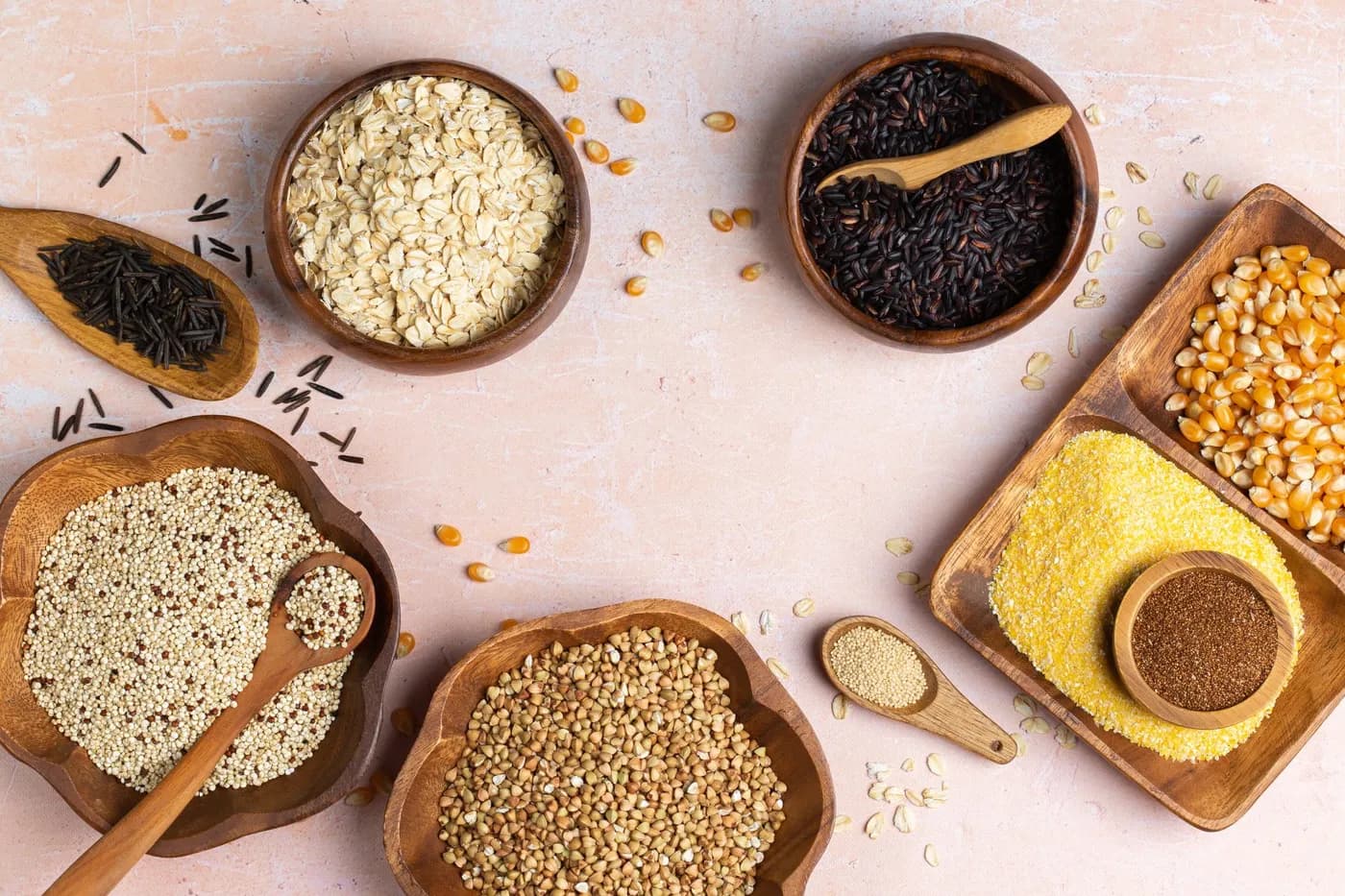
- Whole grains: whole wheat (atta with bran), steel-cut oats, brown rice, quinoa, barley (jau)
- Millets: ragi, jowar, bajra — all lower GI than polished white rice
- Legumes: moong dal, chana, rajma, masoor dal, soybeans — fiber and protein slow digestion further
- Vegetables: most non-starchy vegetables (spinach, methi, bhindi, cauliflower, cabbage, cucumber) are naturally low GI
- Fruits: apple, guava, pear, orange, and most berries, especially eaten whole with skin
- Dairy: curd and milk are generally low GI when unsweetened
Highly processed or overcooked starches tend to sit at the higher end — white bread, white rice, instant noodles, and overripe bananas among them. Cooking method matters too: al dente pasta has a lower GI than overcooked pasta, and whole fruit has a lower GI than fruit juice. Building meals around low glycemic index foods most of the time, while still allowing occasional exceptions, is a realistic long-term approach.
Photo: nerissa’s ring, CC BY 2.0, via Openverse (Flickr)
How Low Glycemic Index Foods Fit Into Blood Sugar Management
Glycemic index is a useful lens, but it’s only one piece of the picture — glycemic load (which factors in portion size) and overall meal composition matter just as much. Pairing a higher-GI food with protein, fat, or fiber, like dal with rice or peanut butter with fruit, blunts the blood sugar response. This is exactly the kind of plate-building principle used in structuring full meals for diabetes management — if you want a complete day’s worth of meals built around this idea, our diabetic meal plan guide walks through breakfast to dinner with portions and timing. Here, the focus stays on the food list and the GI concept itself rather than repeating that meal-by-meal plan. Either way, the goal is the same — building a plate around low glycemic index foods without turning every meal into a calculation.
For most people, and especially anyone managing diabetes, prediabetes, or PCOS, leaning toward low glycemic index foods most of the time — without eliminating every high-GI food entirely — is a sustainable, evidence-based approach.
Myths vs Facts About Low Glycemic Index Foods
Myth: All natural sugars are automatically low GI. Fact: Natural doesn’t equal low glycemic — watermelon and very ripe bananas are natural but sit at the higher end of the scale, while some processed foods with added fibre can rank lower than expected. Myth: Low glycemic index foods alone are enough to manage blood sugar. Fact: Total carbohydrate amount, portion size, and what’s eaten alongside a food all matter as much as GI ranking; a large bowl of a low-GI food can still raise blood sugar more than a small portion of a higher-GI one. Myth: Brown and whole-grain versions of a food always have a meaningfully lower GI. Fact: This is often true but not universal — some whole-grain breads are milled so finely that their GI barely differs from white bread, so checking labels or reliable charts matters more than assuming “brown means low GI.”
Practical Ways to Lower the Glycemic Load of Any Meal
Beyond choosing low glycemic index foods outright, a few kitchen techniques lower the effective GI of meals you’re already eating. Adding an acidic element — a squeeze of lemon, a spoon of curd, or a splash of vinegar in a salad — slows starch digestion and blunts the blood sugar rise. Cooling cooked rice or potatoes in the fridge for a few hours before reheating creates resistant starch, which digests more slowly than freshly cooked versions of the same food. Eating vegetables or protein before the carb-heavy part of a meal, rather than starting with rice or bread, has been shown to reduce the glucose spike that follows. Even chewing more slowly and eating unhurried meals gives digestion more time to respond gradually rather than all at once. None of these replace choosing low glycemic index foods as a baseline, but they stack usefully on top of good choices.
Frequently Asked Questions
Related Articles
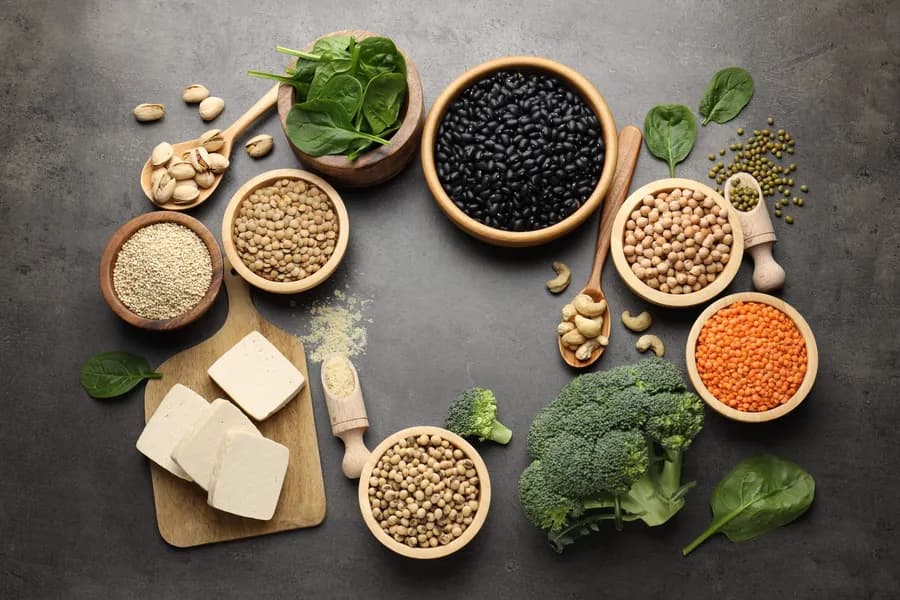
Protein rich vegetarian foods: the perfect plate habit
Learn how protein rich vegetarian foods support energy, strength and fullness. Use the perfect plate habit with greens, grains and protein.

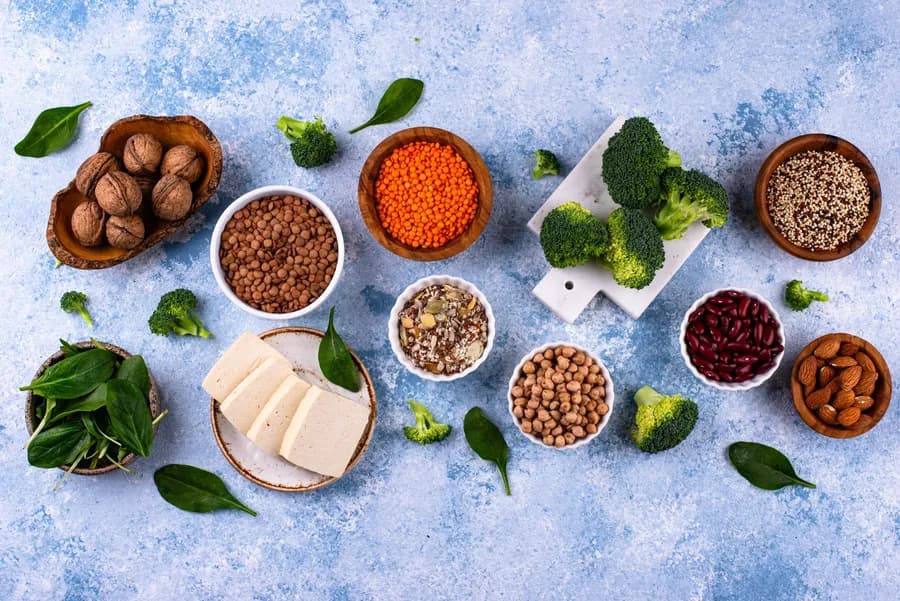
Iron rich foods need protein: 1/4th plate habit
Eating iron rich foods is important, but protein helps your body use iron better. Learn the 1/4th plate protein habit with simple vegetarian foods.
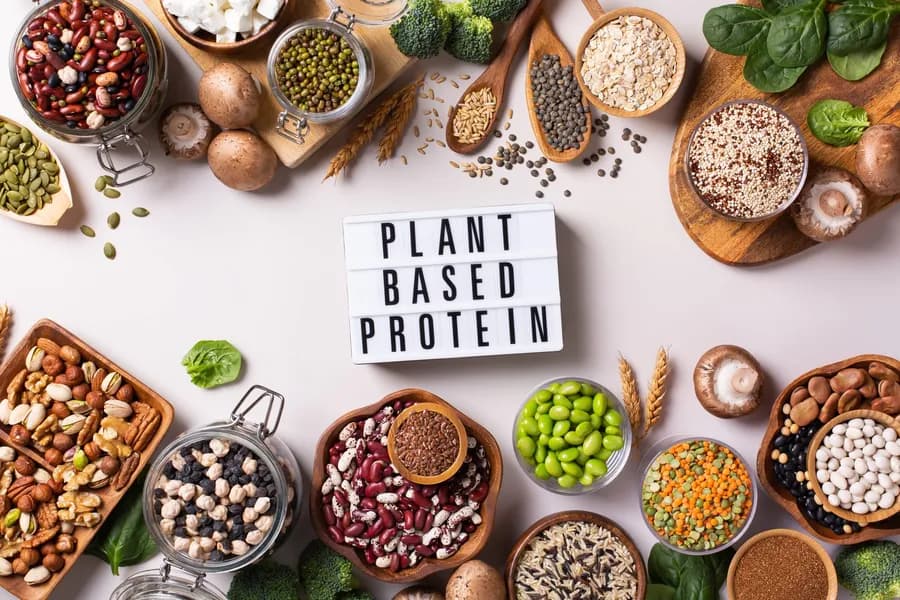
Protein-rich vegetarian foods: 1/4th plate habit
Explore protein, carbohydrates, healthy fats and meal planning for strength training, muscle building and recovery.
