
Low Potassium Diet Foods: What to Eat When You Need to Limit Potassium
A low potassium diet is for a specific medical need — usually advanced kidney disease — and should always be followed under medical supervision. See who.
Key Takeaways
- A doctor-directed diet for kidney disease or dialysis, not a general wellness choice.
- No food actively lowers blood potassium – these foods simply contain less to begin with.
- Peeling, chopping, and soaking vegetables like potatoes can reduce their potassium content.
- A renal dietitian sets the daily limit based on blood tests, not a general guideline.
- Restricting potassium without a medical need can actually cause harm.
Low potassium diet foods are for a specific medical need — usually advanced kidney disease or another condition where the kidneys can’t clear potassium efficiently, causing it to build up in the blood to unsafe levels. This is a doctor-directed diet, not a general wellness choice, and should always be followed under medical supervision rather than self-started.
Who actually needs low potassium diet foods
- Chronic kidney disease (CKD) — especially in later stages, when the kidneys can no longer filter excess potassium out effectively
- Dialysis patients — potassium can build up between sessions and needs careful management
- Certain medications — some blood pressure or heart medications raise blood potassium levels as a side effect
- Adrenal or hormonal conditions — some rarer conditions also require limiting potassium intake
Foods that lower potassium exposure
There’s no food that magically lowers existing potassium in the blood — the phrase “food that lower potassium” really means foods that are naturally lower in potassium, so choosing them reduces how much potassium enters the body in the first place. These low potassium diet foods work through substitution, not subtraction — swapping a higher-potassium item for a similar lower-potassium one. Common lower-potassium swaps include:
| Higher-potassium food | Lower-potassium alternative |
| --- | --- |
| Banana | Apple, berries |
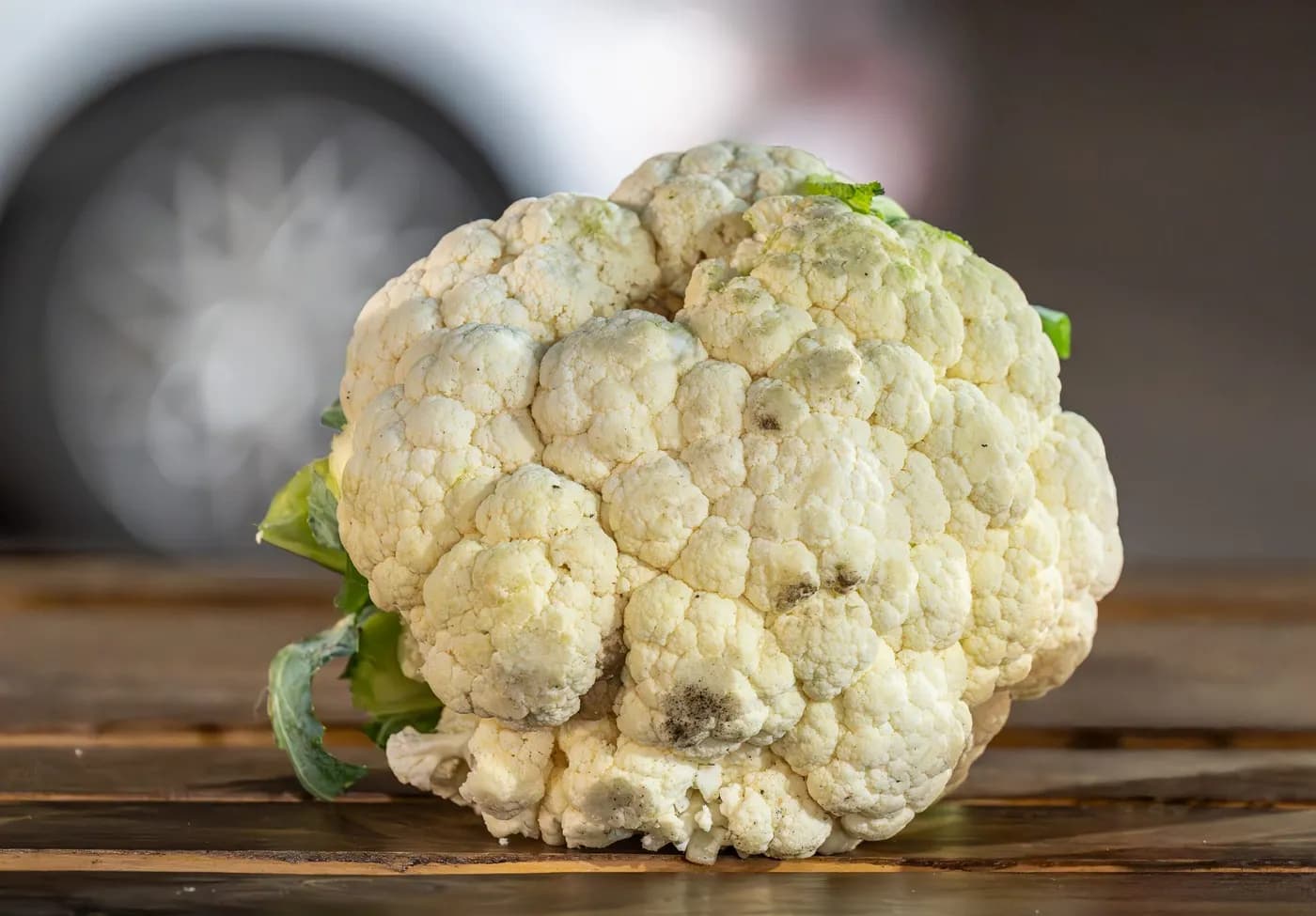
| Potato | Cauliflower, cabbage |
| Spinach | Lettuce, cucumber |
| Coconut water | Plain water |
| Tomato | Bell pepper (in moderation) |
| Dals in large portions | Smaller, controlled portions of dal |
How this diet is usually managed
A doctor or renal dietitian typically sets a daily potassium limit based on blood test results and kidney function, and adjusts it over time. Leaching techniques — like peeling, chopping and soaking vegetables such as potatoes in water before cooking — can also reduce their potassium content somewhat, which is a common technique taught by renal dietitians. Sticking to a consistent list of low potassium diet foods, adjusted as levels change, is the most sustainable approach.
Photo: Rakesh Rocky, CC BY 2.0, via Openverse (Flickr)
Important: low potassium diet foods are a medical choice, not a general one
This is worth repeating clearly: a low potassium diet is only appropriate for people with a specific medical reason to limit potassium, confirmed through blood tests and a doctor’s or renal dietitian’s guidance. For most healthy people, potassium rich foods are beneficial, not something to avoid — restricting potassium without medical need can actually cause harm. Please don’t start this diet based on an article alone; work with your doctor or a renal dietitian to set safe limits specific to your condition. Low potassium diet foods should never be adopted casually or copied from someone else’s medical plan.
For everyone without a diagnosed reason to limit potassium, our potassium rich foods guide covers why bananas, coconut water and leafy greens are worth including rather than avoiding. And if it’s a different mineral gap you’re worried about, iodine deficiency is another common one worth checking in Indian diets.
Common mistakes people make with low potassium diet foods
Even people who genuinely need to limit potassium can slip up in ways that undo the point of choosing low potassium diet foods carefully:
- Assuming “healthy” always means safe — foods often praised for general wellness, like bananas, coconut water and spinach, are exactly the high-potassium items a restricted diet needs to limit, regardless of how healthy they look on the label.
- Forgetting hidden sources — potassium chloride is used as a salt substitute in many “low sodium” packaged foods, which ironically makes them a poor fit for a low potassium diet foods list.
- Not leaching starchy vegetables — skipping the peel-chop-soak step for potatoes and similar vegetables means missing an easy way to lower their potassium content before cooking.
- Guessing portion sizes — even a food included on a low potassium diet foods list can push levels up if eaten in a much larger portion than intended.
- Stopping the diet once labs improve — potassium levels can drift back up quickly if low potassium diet foods habits are dropped as soon as a blood test looks better.
Who should be cautious about restricting potassium
Not everyone with a kidney concern needs the same degree of restriction, which is exactly why low potassium diet foods should be personalised rather than copied from a generic list. People in early-stage CKD may need little to no restriction at all, while those on dialysis often need a stricter approach — a nephrologist or renal dietitian is the only one who can say where you fall. Pregnant women, growing children, and anyone with additional conditions like diabetes should be especially cautious about self-directing a low potassium diet, since nutrient needs overlap and a plan that’s too restrictive can cause its own problems. If you’re on this diet, periodic blood tests matter more than the food list itself — the list of low potassium diet foods should shift as your numbers do.
Frequently Asked Questions
Related Articles
Protein rich vegetarian foods: the perfect plate habit
Learn how protein rich vegetarian foods support energy, strength and fullness. Use the perfect plate habit with greens, grains and protein.

Iron rich foods need protein: 1/4th plate habit
Eating iron rich foods is important, but protein helps your body use iron better. Learn the 1/4th plate protein habit with simple vegetarian foods.
Protein-rich vegetarian foods: 1/4th plate habit
Explore protein, carbohydrates, healthy fats and meal planning for strength training, muscle building and recovery.
