
Lung Detox Foods That Support Healthy Respiratory Function
No food can physically pull pollution or smoke out of your lungs — what certain foods can do is reduce inflammation and support the respiratory system’s.
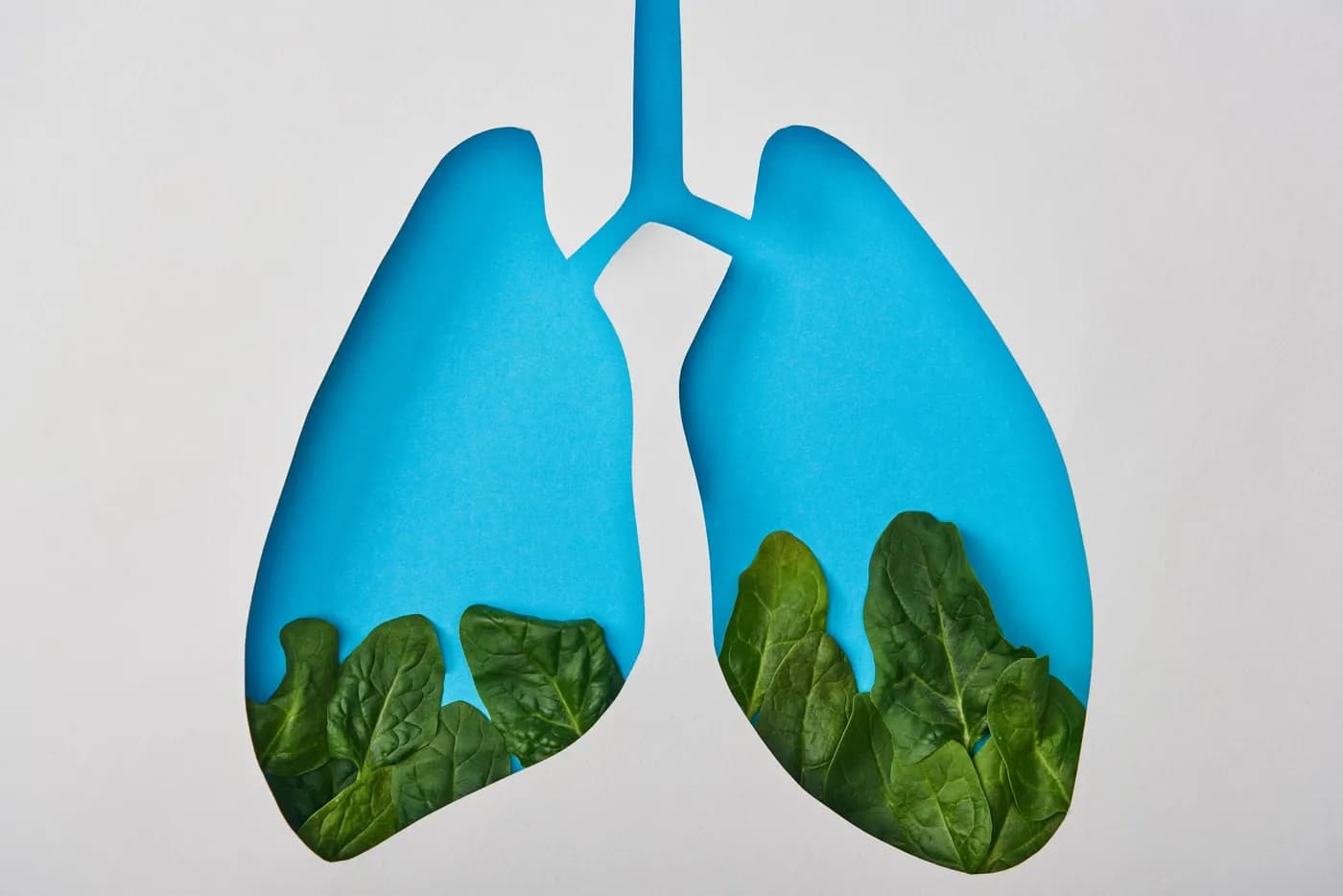
Key Takeaways
- No food physically pulls particles out of lung tissue – that’s not how lungs clear themselves.
- Cilia in the lungs constantly move mucus and trapped particles out on their own.
- Ginger, turmeric, and berries reduce inflammation rather than removing anything directly.
- No diet undoes ongoing smoking or heavy pollution exposure – reducing exposure matters more.
- Steam and detox teas don’t remove particles already sitting in lung tissue.
Lung detox foods are often marketed as a way to “clear out” pollution or smoke from your lungs, but no food can physically pull particles out of lung tissue. What certain foods can do is reduce inflammation and provide antioxidants that support the respiratory system’s own repair processes.
Best Lung Detox Foods to Add to Your Diet
Here’s what actually has evidence behind it for respiratory support:
- Ginger — has anti-inflammatory compounds that may help ease airway irritation
- Turmeric — curcumin has been studied for reducing inflammation linked to respiratory conditions
- Berries (blueberries, amla, pomegranate) — high in antioxidants that combat oxidative stress from pollution exposure
- Leafy greens — rich in vitamin C and folate, which support overall immune and lung tissue health
- Garlic and onions — contain sulfur compounds with mild anti-inflammatory effects
- Water — keeps mucus membranes in the respiratory tract functioning normally, which helps clear irritants naturally
How Lung Detox Foods Actually Support Your Lungs
Your lungs have their own built-in clearance system — tiny hair-like structures called cilia constantly move mucus and trapped particles up and out, and this happens whether or not you eat any particular food. No diet replaces or speeds up this mechanism. Instead, lung detox foods rich in antioxidants like berries, turmeric, and leafy greens help reduce the oxidative stress and inflammation that pollution, smoke, or infections cause in lung tissue. Less inflammation generally means the airways function more comfortably, and the body’s natural repair processes aren’t working against a backdrop of chronic irritation.
This is worth saying plainly: no diet undoes the damage of ongoing smoking or heavy pollution exposure. The right lung detox foods work best combined with actually reducing exposure — better air quality at home, quitting smoking, and using a mask in high-pollution conditions.
Common Myths About Lung Detox Foods
- “Steam with essential oils flushes out lung toxins.” Steam can soothe irritated airways temporarily, but it doesn’t remove particles already in lung tissue.
- “Detox teas clear smoker’s lungs.” There’s no reliable evidence that any tea or supplement reverses the effects of smoking; only cessation and time do that.
- “You need exotic ingredients.” Everyday lung detox foods like garlic, citrus, and leafy greens do more for respiratory support than expensive detox kits.
The same logic applies to other organs marketed with “detox” claims — our guides to liver detox foods and drinks and kidney detox foods walk through the equivalent evidence, and the body cleanse diet plan ties the whole-body picture together if that’s more what you’re after.
Photo: Bigul Malayi, CC0, via Openverse (WordPress.org Photo Directory)
Who Should Be Cautious
If you have asthma, COPD, a chronic respiratory condition, or have recently recovered from a respiratory infection, general respiratory-support diet advice is a helpful addition but not a treatment. Please continue prescribed medication and consult your doctor before making major dietary changes, especially around herbal supplements that can interact with respiratory medications.
Common Mistakes People Make
- Expecting overnight results — lung detox foods work through weeks of consistent eating alongside cleaner air exposure, not a single “detox” meal.
- Relying on supplements over whole food — concentrated turmeric or antioxidant capsules aren’t automatically better than getting the same compounds from actual lung detox foods in regular meals, and some can interact with medication.
- Ignoring exposure while focusing only on diet — no amount of lung detox foods offsets continued heavy smoking or staying in consistently polluted air without any precautions.
- Skipping hydration — water is easy to overlook, but it’s one of the simplest lung detox foods and habits for keeping mucus membranes functioning normally.
Building Lung Detox Foods Into a Daily Routine
A realistic day might include turmeric or ginger in your dal or morning tea, a handful of berries or a citrus fruit as a snack, leafy greens with lunch or dinner, and plenty of water through the day. None of this requires special shopping — most lung detox foods are already common in an Indian kitchen. Pairing this pattern with practical steps like using a mask in high-pollution conditions, running an air purifier indoors if you’re in a heavily polluted city, and avoiding smoke exposure does far more for respiratory health than any single ingredient could on its own.
Frequently Asked Questions
Related Articles
Protein rich vegetarian foods: the perfect plate habit
Learn how protein rich vegetarian foods support energy, strength and fullness. Use the perfect plate habit with greens, grains and protein.

Iron rich foods need protein: 1/4th plate habit
Eating iron rich foods is important, but protein helps your body use iron better. Learn the 1/4th plate protein habit with simple vegetarian foods.
Protein-rich vegetarian foods: 1/4th plate habit
Explore protein, carbohydrates, healthy fats and meal planning for strength training, muscle building and recovery.
