Lychee Benefits: Nutrition, Portions and Safety
Learn lychee nutrition, realistic benefits, sensible portions, storage tips and the important safety warning for young children.
Key Takeaways
- Fresh fruit provides vitamin C, water and carbohydrate.
- Whole pieces retain more fibre and texture than strained juice.
- A small bowl is a practical portion for most snack or meal uses.
- Canned versions packed in syrup can contain considerable added sugar.
- Young children should eat only ripe fruit and should not have it on an empty stomach after missing.
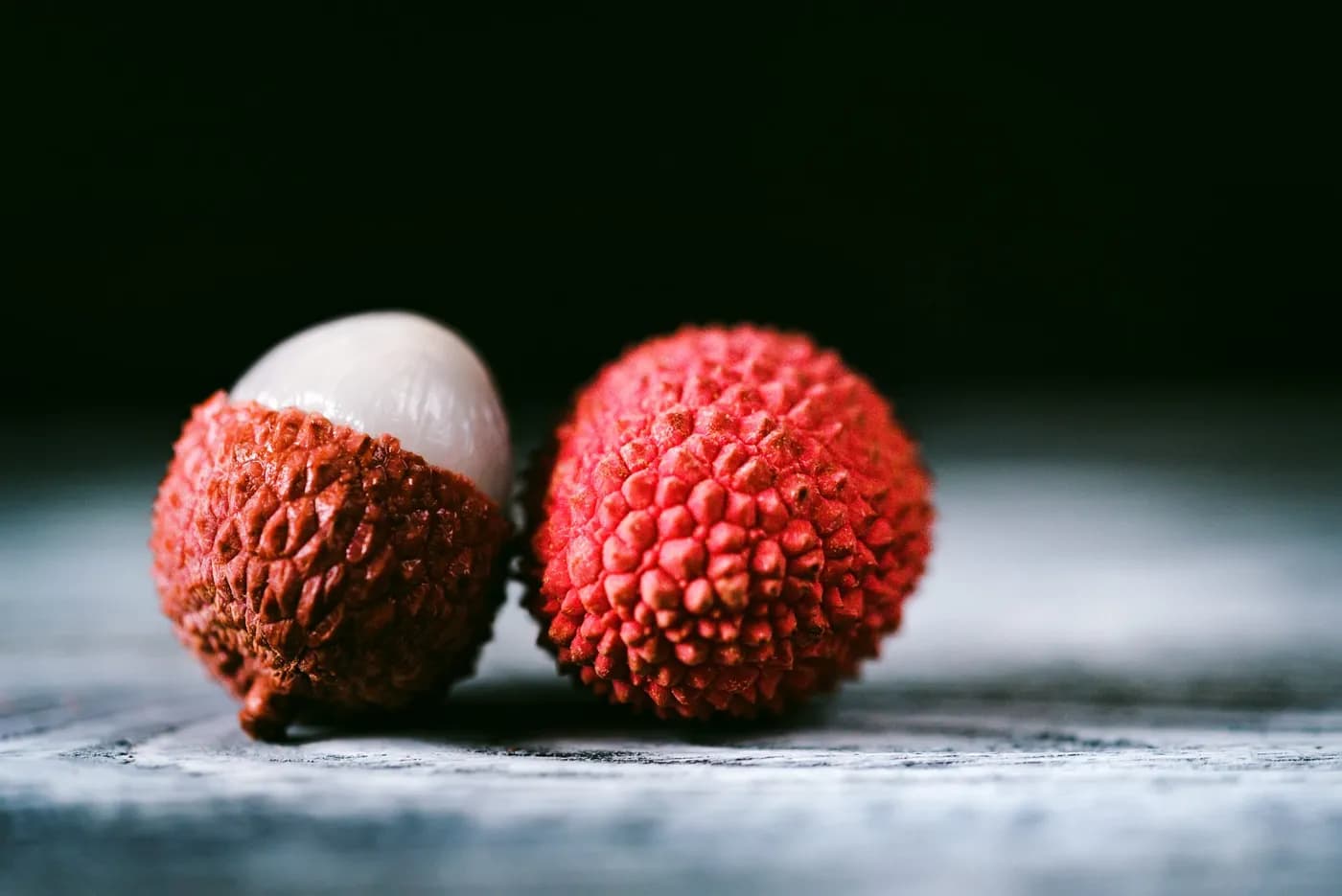
Lychee, also written as litchi, is a fragrant summer fruit with juicy white flesh and a rough red peel. A clear look at lychee nutrition shows vitamin C, water and natural carbohydrate, making it an enjoyable addition to a varied diet in a sensible portion.
When discussing lychee benefits, its real value is simple: it contributes useful nutrients and offers another way to enjoy seasonal fruit.
There is also one important safety issue. Young children, especially those who are undernourished, should not eat large amounts of unripe litchi after missing a meal.
Understanding lychee nutrition
Fresh litchi contains mostly water and carbohydrate, along with vitamin C and smaller amounts of other nutrients. Exact lychee nutrition values vary with variety, fruit size, ripeness and preparation. (1)
Whole fruit also provides some fibre and requires chewing, adding structure to a snack.
Vitamin C
Vitamin C supports collagen formation, wound healing and normal immune function. It also helps the body absorb iron from plant foods.
Among the practical lychee benefits is its contribution to vitamin C intake, but guava, amla, oranges, papaya and capsicum are useful alternatives. Fruit supports nutrition; it does not prevent every infection.
Water and carbohydrate
Water and natural carbohydrate are also part of the realistic lychee benefits. The flesh can be refreshing in warm weather, but it cannot replace drinking water or cure persistent tiredness.
Fibre and fullness
Whole pieces provide some fibre and more texture than juice. Fibre contributes to normal digestion, while chewing and portion visibility can make it easier to notice how much you have eaten.
Juicing or straining removes much of this structure. It also allows several fruits to be consumed quickly, particularly when sugar is added. Choose whole fruit more often and treat juice as an occasional option rather than a required health drink.
Realistic lychee benefits
The clearest lychee benefits are dietary variety, vitamin C and a naturally sweet alternative to a more heavily sweetened dessert.
Laboratory antioxidant findings do not prove that one fruit prevents cancer, reverses ageing or protects the heart. Rotate seasonal choices instead of chasing a “superfood.”
Lychee safety: an important warning for children
Investigations in Muzaffarpur, Bihar examined outbreaks of acute encephalopathy among children. A 2014 case-control study found that litchi consumption and missing the previous evening meal were associated with illness. Many affected children arrived with low blood glucose. Researchers also identified metabolites related to naturally occurring compounds called hypoglycin A and MCPG. (2)
This does not mean every ripe fruit is dangerous. For practical lychee safety, remember that the reported risk involved vulnerable children and missed meals.
Practical precautions are straightforward:
- Give children only ripe fruit.
- Remove the peel and seed completely.
- Serve an age-appropriate portion.
- Do not offer it as a replacement for dinner or another regular meal.
- Avoid giving large amounts on an empty stomach.
- Make sure children receive regular, balanced meals during the day.
A child who develops unusual sleepiness, confusion, fainting, seizures or difficulty waking needs emergency medical care. Do not wait for symptoms to settle at home.
How to choose ripe fruit
Choose fruit with intact peel and no mould, leaking liquid, wet cracks or extensive dark areas. It should feel firm but not rock hard and smell fresh rather than fermented.
Washing, peeling and storage
Rinse the fruit under running water before opening it so dirt is not transferred to the flesh. Do not use soap or detergent. Wash your hands, use clean utensils and remove the seed. Refrigerate fresh fruit; cover and promptly chill peeled pieces. (3)
The seed is not edible and can be a choking hazard. This is another important part of lychee safety, especially for a young child or someone with chewing difficulty.
What is a sensible portion?
Fruit size varies, so an exact number is less useful than a visual guide. A small bowl of peeled, seeded pieces is a practical starting portion for most adults.
Place the intended amount in a bowl rather than eating continuously from a bunch. Adjust it for appetite, activity, the meal and individual needs.
Can people with diabetes eat it?
People considering lychee benefits alongside diabetes management should focus on portion size. Many can include a measured amount in an individualised plan, choosing whole pieces rather than juice or syrup-packed fruit.
NIDDK notes that fruit can be part of a diabetes eating plan and that the amount and timing of carbohydrate should be considered with the healthcare team. (4)
Do not remove all fruit based only on sweetness or assume natural sugar has no effect. Follow your personalised plan.
Litchi calories and different forms
Litchi calories depend on the portion and product. Fresh pieces make the serving visible, while dried fruit, syrup-packed fruit and sweetened juice can concentrate carbohydrate or added sugar.
Fresh
Fresh fruit retains the original texture and makes the portion visible.
Canned
Canned fruit is convenient outside the season. Prefer water or juice, drain the liquid and treat syrup-packed products as a sweeter option.
Dried
Drying concentrates carbohydrate into a smaller volume. Check for added sugar and keep the portion small.
Juice
Juice has less structure and is easy to drink quickly. Check sweetened drinks for actual fruit content and added sugar.
How to eat lychee in simple vegetarian meals
- Serve peeled and seeded pieces with plain curd.
- Add a few pieces to a mixed seasonal fruit bowl.
- Combine chopped fruit with cucumber, mint and lime.
- Use a small amount in overnight oats.
- Freeze peeled pieces for an occasional chilled snack.
- Drain canned fruit before using it in a small dessert portion.
When deciding how to eat lychee, there is no need to create a detox drink or add extra sweetener. The fruit already has a distinct flavour.
Editorial sources
Frequently Asked Questions
Related Articles
Healthy fats: why your body needs fat
Healthy fats help your body absorb vitamins and support brain, hormones, joints, cells and daily meals. Learn simple vegetarian sources and habits.

Good fats vs bad fats: choose fats wisely
Understand good fats vs bad fats in simple words. Learn which vegetarian fats to choose, what to reduce and how to read food labels better.