
Magnesium Rich Foods: The Best Everyday Sources
Magnesium supports over 300 enzyme reactions in the body, yet many Indian diets fall short of the recommended intake. See the everyday sources already.
Key Takeaways
- Magnesium supports over 300 enzyme reactions, yet many Indian diets fall short.
- Pumpkin seeds and black beans are among the most concentrated everyday sources.
- Over-boiling vegetables leaches magnesium into water that often gets discarded.
- Men need about 400-420mg daily, women about 310-320mg, slightly more in pregnancy.
- Whole, minimally processed grains retain far more magnesium than their refined versions.
Magnesium rich foods are worth building into every meal because magnesium supports over 300 enzyme reactions in the body, from muscle function to energy production, yet many Indian diets fall short of the recommended intake. The good news is that some of the most excellent sources of magnesium are already common in Indian kitchens.
Magnesium rich foods at a glance
- Pumpkin seeds — ~150mg per 28g, one of the most concentrated sources available
- Spinach (palak) — ~78mg per cooked cup, a top veggie with high magnesium
- Almonds and cashews — ~80mg per 28g of almonds
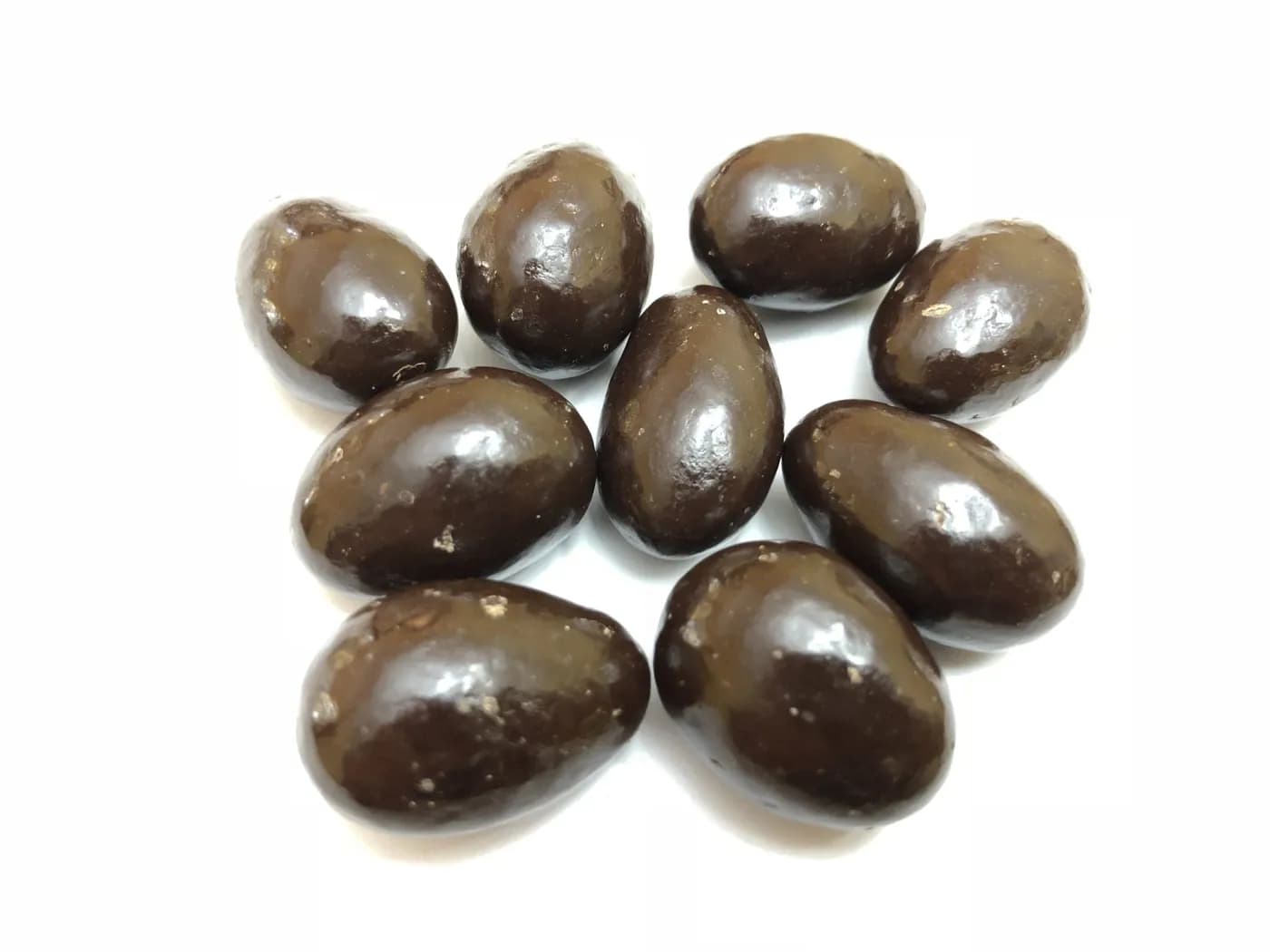
- Dark chocolate (70%+) — ~65mg per 28g, a genuinely useful everyday source
- Black beans and rajma — ~120mg per cooked cup
- Whole grains — bajra, jowar, and brown rice all contribute meaningfully
- Bananas — ~32mg per medium banana, plus potassium
- Avocado — ~58mg per fruit
- Tofu and soybeans — strong plant-based options, especially for vegans
Veggies with high magnesium worth adding regularly
Among vegetables specifically, spinach, other leafy greens like methi and amaranth, and okra (bhindi) stand out as reliable veggies with high magnesium content. Cooking them lightly — steaming or a quick sauté rather than boiling for long periods — helps retain more of the mineral, since magnesium can leach into cooking water. These vegetable-based magnesium rich foods pair well with seeds and nuts for a fuller daily intake.
How much magnesium you need daily
Adult men need about 400-420mg of magnesium a day, and adult women need about 310-320mg, with slightly higher requirements during pregnancy. A diet that includes a daily serving of nuts or seeds, a leafy green vegetable, and whole grains instead of only refined ones usually covers this without needing to track numbers closely — a handful of magnesium rich foods repeated daily is simpler than counting milligrams.
Photo: AmazingAlmonds, CC BY 2.0, via Openverse (Flickr)
Food with a good source of magnesium vs. processed alternatives
Whole, minimally processed foods are almost always a better food with good source of magnesium than their refined counterparts — refining grains, for instance, strips out a significant portion of their magnesium content along with fibre. This is one reason whole wheat atta, brown rice, and unpolished dals are better everyday choices than their refined equivalents, and why choosing minimally processed magnesium rich foods matters more than any single “superfood.”
Common mistakes with magnesium rich foods
- Over-boiling vegetables — this leaches magnesium (and other minerals) into water that often gets discarded
- Relying only on supplements — food sources come with fibre and other nutrients that work together, which isolated supplements don’t replicate
- Ignoring seeds and nuts — a small daily handful of pumpkin seeds or almonds is one of the easiest wins for magnesium intake
- Assuming all “healthy” foods are magnesium-rich — some, like most fruits besides banana and avocado, are actually fairly low in magnesium
If better sleep or lower anxiety is specifically what you’re chasing, our magnesium for sleep and anxiety guide covers which form and dose actually helps with that. It’s also worth pairing magnesium with zinc, since zinc rich foods and zinc supplement benefits cover the other mineral most Indian diets quietly fall short on.
Who should be cautious with magnesium rich foods and supplements
Getting magnesium from food is safe for almost everyone, since the body simply excretes what it doesn’t need. The caution applies mainly to supplements, not to magnesium rich foods themselves: anyone with kidney disease should check with a doctor before taking a magnesium supplement, because impaired kidneys can’t clear excess magnesium as efficiently, allowing it to build up to unsafe levels. People on certain diuretics, heart medications, or antibiotics should also flag magnesium supplementation with their doctor, since interactions are possible. None of this changes the everyday advice — a plate built around whole, magnesium rich foods remains one of the safest ways to meet daily needs for the vast majority of people.
Magnesium rich foods: myths vs facts
Myth: If you eat “healthy,” you’re automatically getting enough magnesium. Fact: Many common healthy foods, like most fruits besides banana and avocado, are actually low in magnesium — you need to specifically include nuts, seeds, leafy greens and whole grains, not just eat generally well.
Myth: A magnesium supplement is the fastest fix for low levels. Fact: For most people without a diagnosed deficiency, building a plate around magnesium rich foods works just as well over time, without the risk of taking more than the body needs.
Myth: All leafy greens have similar magnesium content. Fact: Spinach, methi and amaranth are meaningfully higher in magnesium than lighter greens like lettuce, so not every green vegetable contributes equally.
Frequently Asked Questions
Related Articles
Protein rich vegetarian foods: the perfect plate habit
Learn how protein rich vegetarian foods support energy, strength and fullness. Use the perfect plate habit with greens, grains and protein.

Iron rich foods need protein: 1/4th plate habit
Eating iron rich foods is important, but protein helps your body use iron better. Learn the 1/4th plate protein habit with simple vegetarian foods.
Protein-rich vegetarian foods: 1/4th plate habit
Explore protein, carbohydrates, healthy fats and meal planning for strength training, muscle building and recovery.
