
Masala chaas recipe: simple spiced buttermilk
Masala chaas is curd whisked with water and simple spices — a light, refreshing drink to serve alongside lunch. See the full recipe.
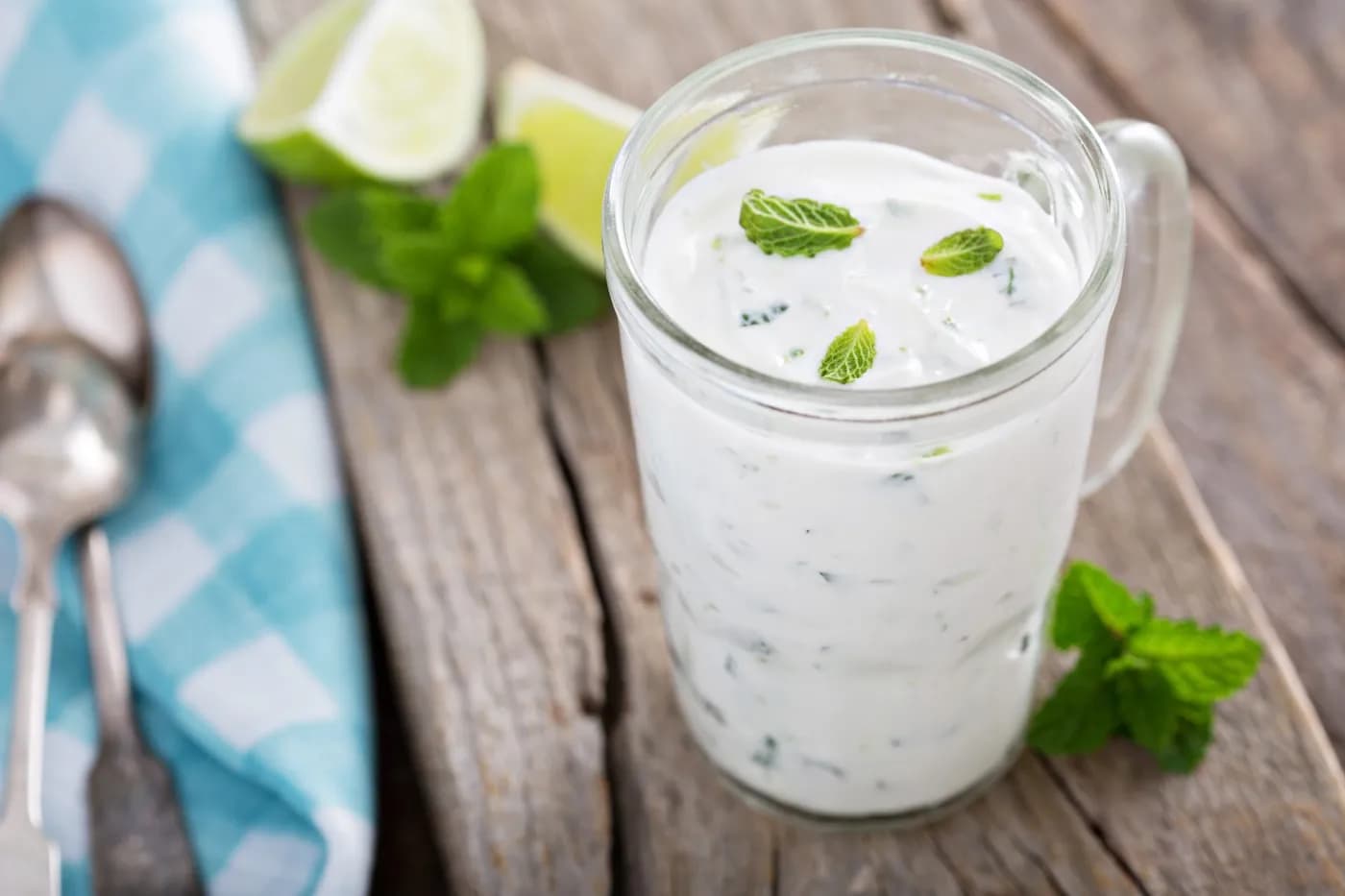
Key Takeaways
- Made by whisking curd with water and simple spices like roasted jeera and hing.
- Live-culture content varies by starter and storage – not every chaas is a guaranteed probiotic.
- Keep the masala light – too much spice or salt undercuts the drink’s usual benefit.
- Refrigerate promptly and finish the same day, especially in hot weather.
- People with a milk allergy should avoid it; lactose tolerance varies by individual.
Masala chaas is a light drink made by whisking curd with water and simple spices. It is called chaas in many homes and takra in some traditional systems. This version uses half a cup of curd, about one and a half cups of water, roasted jeera, a pinch of hing, coriander or curry leaves and a little salt.
Chaas is easy to serve with lunch because it is thinner than curd and does not need sugar. The spices add flavour, while the water makes the drink refreshing. Many people enjoy it at the end of a meal, but timing is flexible. Drink it with or after lunch according to comfort.
Curd is a fermented dairy food. Its exact live-culture content depends on the starter, temperature and storage, so it is better not to treat every chaas as a guaranteed probiotic product. It can still be a useful home drink and a way to include dairy when it suits you.
What makes masala chaas different
Plain chaas is curd diluted with water and churned or whisked. Masala chaas adds spices such as roasted cumin, hing, coriander, mint, curry leaves or ginger. The flavour should stay light. Too much masala can overpower the drink and too much salt can turn a healthy habit into a high-sodium one.
Traditional buttermilk can also mean the liquid left after churning butter from cultured curd. In everyday Indian kitchens, the word chaas often refers to diluted curd. Both can fit into meals, but their fat and culture content may differ.
Who may enjoy it
Chaas can suit people who like curd but want a thinner drink. It may feel refreshing in warm weather and can help add fluid to the meal. People with milk allergy should avoid it. Those with lactose intolerance may tolerate curd differently from milk, but personal response varies.
Ingredients and flavour choices
- Half a cup of fresh plain curd
- One and a half cups of clean water
- A small pinch of hing
- Half a teaspoon roasted jeera powder
- Chopped coriander or curry leaves
- Salt to taste
Optional additions
- Fresh mint
- A small piece of grated ginger
- A pinch of black pepper
- A squeeze of lemon only if the curd is not already sour
Use fresh curd with a clean smell. Very sour curd may make the drink harsh, and flavoured or sweetened yogurt is not needed. If you are limiting salt, rely more on jeera, coriander and mint for taste.
How to make smooth masala chaas
- Place the curd in a deep bowl or jug.
- Whisk until it is smooth and no large lumps remain.
- Add water slowly while whisking. This makes the drink even and reduces floating lumps.
- Add hing, roasted jeera powder and a small amount of salt.
- Add finely chopped coriander or curry leaves.
- Whisk again until slightly frothy.
- Taste, adjust the spices and serve fresh. Add ice only when you enjoy it and clean ice is available.
If the chaas separates after standing, stir it again. Separation is normal. Do not keep it at room temperature for a long time, especially in hot weather. Refrigerate promptly and finish it the same day for the freshest taste.
When to drink Masala Chaas and how much
The image suggests drinking chaas at the end of lunch. That can be a comfortable habit, but there is no rule that good bacteria must “settle” only at that time. Have it during or after the meal if it suits you. Avoid forcing it when you already feel overfull.
A practical serving
One small glass is enough for most people. A very large glass can fill the stomach and may increase salt intake. If lunch already includes a full bowl of curd, you may not need chaas as well.
Use it to replace, not add
Chaas can replace a sugary drink or a second cup of sweet tea. That swap is more useful than adding chaas on top of an already large meal. Indian dietary guidance supports plain, minimally processed foods and sensible use of sugar, salt and fat.
Variations and common mistakes
Mint chaas
Blend a few mint leaves with the curd before adding water. Keep the mint quantity small so the drink remains mild.
Curry-leaf chaas
Finely chop fresh curry leaves or crush them with roasted cumin. This version pairs well with rice-based lunches.
Avoid these mistakes
- Do not use curd that smells spoiled or has been left warm for hours.
- Do not add a large amount of salt or packaged masala.
- Do not assume chaas treats acidity, infection or gut disease.
- Do not keep refilling the glass when you are already full.
The My Plate guide places dairy as one part of a varied diet. Chaas can fill that role for some people, but vegetables, pulses and cereals still need space in the meal.
The thickness is personal. Use less water for a fuller, lassi-like texture and more water for a light chaas. Keep it unsweetened when serving with lunch. If the curd is already salty or sour, taste before adding anything else. Small adjustments usually work better than a large spoon of packaged masala.
Frequently Asked Questions
Related Articles
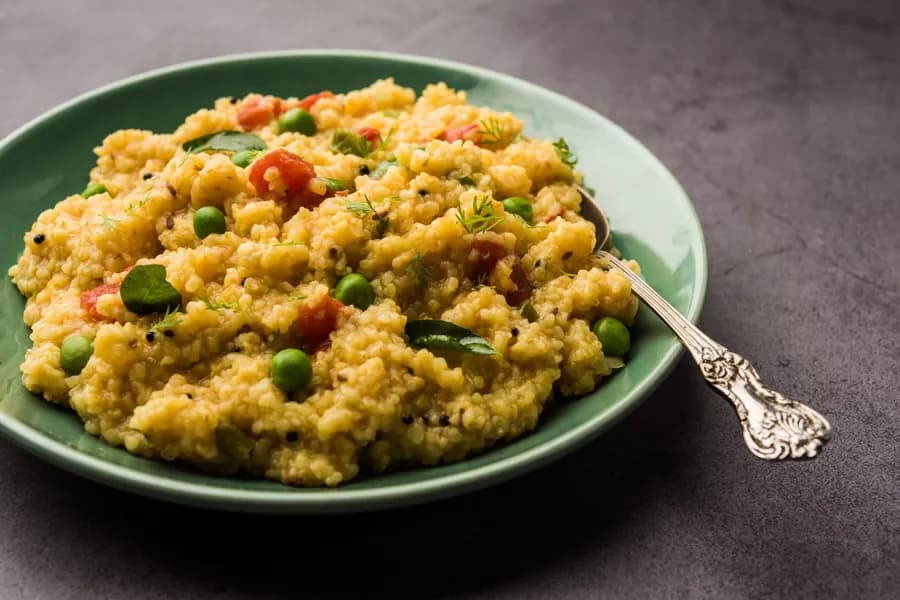
Veg Daliya Recipe: A Simple High-Fibre Meal
Veg daliya recipe made with broken wheat or millet daliya, mixed vegetables, jeera and ghee. A simple high-fibre meal for breakfast or lunch.


Healthy fats: why your body needs fat
Healthy fats help your body absorb vitamins and support brain, hormones, joints, cells and daily meals. Learn simple vegetarian sources and habits.