
Micronutrients: Small Nutrients with Big Jobs
Vitamins and minerals are needed in small amounts but do big jobs. Here is how to cover them through food and when testing helps.
Key Takeaways
- Vitamins and minerals have distinct roles; one supplement cannot replace a varied diet.
- Deficiency symptoms are often vague, so they need proper assessment, not guesswork.
- Vegetarians should plan reliable sources of B12, iron, calcium, iodine and vitamin D.
- High-dose supplements can cause harm or hide another deficiency.
Micronutrients are vitamins and minerals needed in small amounts, but "small" does not mean unimportant. They support blood formation, bones, immunity, nerves, thyroid function and energy metabolism. A varied vegetarian diet can provide most of them, while vitamin B12, vitamin D, iron, iodine and calcium deserve deliberate attention in some people.
This guide gives an overview of how vitamins and minerals work together. For a closer look at individual minerals and their Indian food sources, see our guide to minerals in food.
What are micronutrients?
Micronutrients fall into two broad groups:
- Vitamins, which are organic compounds. Some are water-soluble (the B vitamins and vitamin C), while others are fat-soluble (vitamins A, D, E and K).
- Minerals, which are inorganic elements such as calcium, iron, zinc, iodine, magnesium and selenium.
Unlike carbohydrate, protein and fat, micronutrients do not provide calories. Instead, they help the body use those macronutrients and carry out thousands of everyday processes.
Why do tiny amounts matter?
Micronutrients act as enzyme helpers, structural components and signalling molecules. Iron carries oxygen in the blood, iodine is needed for thyroid hormones and vitamin D helps regulate calcium. Because their jobs differ, taking a broad "energy" tablet without identifying the actual need can add cost while leaving the real problem unresolved.
Can more vitamins mean more health?
No. Water-soluble vitamins are not harmless at every dose, and fat-soluble vitamins can accumulate in the body. Excess iron, vitamin A, vitamin D, zinc or selenium can be toxic. Recommended intakes are targets for adequacy, not minimum supplement doses that everyone should exceed. The exact form and amount matter more than a broad marketing claim.
Where do micronutrients come from?
Foods that build variety
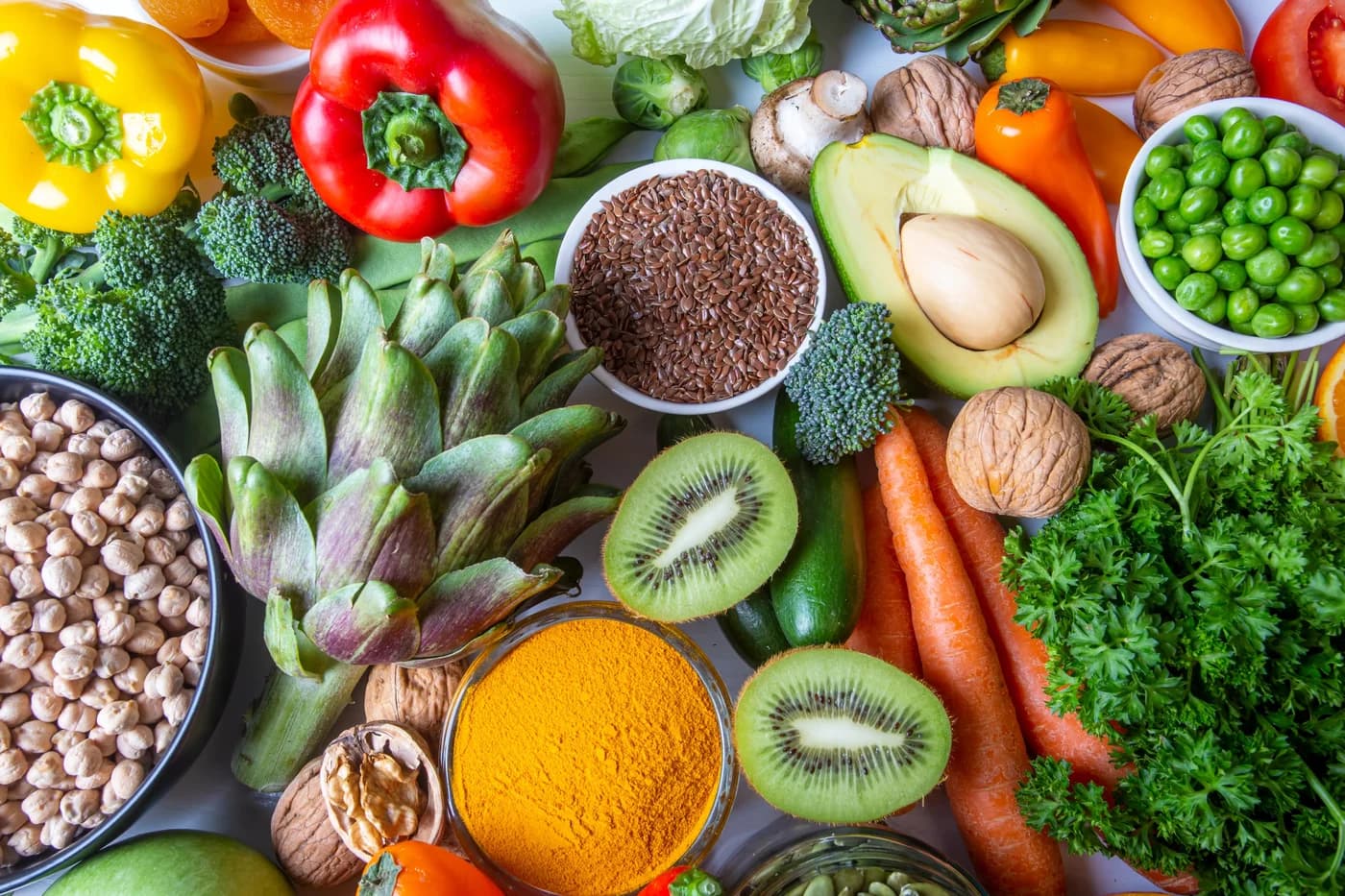
Pulses, whole grains, vegetables, fruit, dairy or fortified alternatives, nuts and seeds each cover different micronutrients. Colour on the plate helps create variety but is not a complete system on its own. Rotate greens, orange produce, beans, grains and calcium-rich foods rather than relying on one fashionable powder.
Nutrients that need special planning
- Vitamin B12: vegetarians need dairy, fortified foods or supplements, and vegans need a reliable supplement or fortified source.
- Iron: plant iron is absorbed variably; eating it with vitamin C-rich foods helps.
- Iodine: iodised salt is a simple, dependable source.
- Vitamin D: fortified foods, safe sun exposure or supplements may be needed.
- Calcium: plan daily sources such as milk, curd, paneer, ragi or calcium-set tofu.
Who is more likely to run low?
Pregnancy, childhood, older age, restrictive diets, heavy menstrual bleeding, malabsorption, chronic illness and some medicines all change the risk. A person can eat "clean" and still miss key nutrients if portions are small or whole food groups are missing. Knowing your risk helps decide which tests and advice are useful.
Do symptoms reveal which nutrient is low?
Rarely on their own. Fatigue, hair changes, cramps and poor concentration have many possible causes, and guessing from a symptom chart can lead to the wrong supplement. Blood counts, diet history, medicines and targeted tests help distinguish low iron or B12 from thyroid problems, poor sleep or other explanations.
Persistent fatigue, unexplained weight change, numbness, fainting or other worrying symptoms need proper medical assessment rather than self-treatment.
When do supplements help?
Supplements are valuable for a confirmed gap, a high-risk life stage, or when food cannot reliably provide enough. Choose the nutrient, dose and duration for that specific reason. Avoid stacking multivitamins, fortified drinks and single-nutrient tablets without adding up the total. Some supplements interact with medicines, so share everything you take with your doctor or pharmacist.
When reading a multivitamin label, compare the amount of each nutrient per tablet with the daily recommendation and its upper limit, and add what you already get from fortified foods and other tablets. A product offering several times the daily value is not better, especially for vitamin A, vitamin D, iron, zinc and selenium.
How to review your week
List the foods you actually eat most weeks, not an ideal menu. Then check for:
- A reliable vitamin B12 source
- Daily calcium-rich foods
- Varied pulses and greens
- Fruit or vegetables with vitamin C
- Iodised salt
- A plan for vitamin D
Bring that list to a dietitian if gaps or uncertainty remain.
Editorial sources
Frequently Asked Questions
Related Articles

Minerals in Food: Types, Functions and Everyday Indian Sources
Minerals are inorganic nutrients the body cannot make. Some are needed in larger amounts and others only in traces, yet both groups are essential.

Fat soluble vitamins: why healthy fats help absorption
Vitamins A, D, E and K need fat for absorption. Learn simple Indian food pairings and how to add a little healthy fat to balanced meals.


Multivitamin Benefits: What They Can (and Can’t) Do for You
Multivitamins can help close small nutrient gaps left by an inconsistent diet — but they can’t replace the fibre, protein, and plant compounds in whole.